




News
US Sanctions ICC Chief Tomoko Akane in Major Escalation Against Hague Court

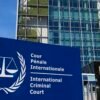
The Trump administration has sanctioned International Criminal Court President Tomoko Akane and senior trial lawyer Abdoulaye Seye, dramatically escalating Washington’s confrontation with the world’s leading war crimes tribunal.
U.S. Secretary of State Marco Rubio announced the measures Tuesday, accusing the two International Criminal Court officials of pursuing investigations and prosecutions against government officials whose countries had not consented to the court’s jurisdiction.
The latest sanctions deepen an extraordinary clash between the United States and the Hague-based institution, particularly over its investigations involving Israel and U.S. personnel.
Trump Administration Targets ICC Leadership
Tomoko Akane, a Japanese national and judge, currently serves as president of the ICC. Abdoulaye Seye, from Senegal, is a senior trial lawyer at the court.
Marco Rubio said the pair had “directly engaged” in ICC efforts to investigate, arrest, detain or prosecute officials from governments that Washington argues have not accepted the court’s jurisdiction.
The sanctions effectively cut the targeted individuals off from the U.S. financial system and freeze any assets they may have under U.S. jurisdiction. The measures also restrict their ability to enter the United States.
The U.S. Treasury Department separately issued a general license allowing transactions involving Akane to continue until September 17.
The White House has previously authorized sanctions against ICC officials through an executive order as President Donald Trump has intensified his campaign against the institution.
Why Is Washington Targeting the ICC?
The confrontation is closely linked to the ICC’s investigations into alleged crimes involving Israel’s war in Gaza.
In 2024, the court issued an arrest warrant for Israeli Prime Minister Benjamin Netanyahu and former Israeli Defense Minister Yoav Gallant. The move triggered fierce criticism from Israel and the United States.
Washington has also objected to previous ICC investigations involving U.S. military personnel, including a probe into alleged crimes connected to the war in Afghanistan.
The United States is not a member of the ICC and did not join the Rome Statute, the treaty that established the court.
However, the ICC maintains that its jurisdiction can extend to certain crimes committed on the territory of member states, including cases involving nationals of nonmember countries.
That jurisdictional dispute is now at the heart of the escalating U.S. campaign.
Rubio Calls ICC “Politicized”
The Trump administration has repeatedly accused the ICC of exceeding its authority and interfering with national sovereignty.
Rubio described the court as a “corrupt and fatally politicized” institution and said Washington would not tolerate what it considers an assault on state sovereignty.
Last month, Marco Rubio announced that the United States would intensify diplomatic pressure on other nations to distance themselves from the ICC.
Several governments have already announced moves to withdraw or reconsider their relationship with the court.
The administration has argued that the ICC could threaten U.S. personnel involved in immigration enforcement, military operations and other government activities.
Last month, I launched a diplomatic campaign to dismantle the ICC’s threat to our national sovereignty. The Trump Administration is sanctioning ICC President Tomoko Akane and Senior Trial Lawyer Abdoulaye Seye in our unwavering mission to protect Americans from this sham of a…
— Secretary Marco Rubio (@SecRubio) August 18, 2026
ICC Judges Already Challenging Trump Sanctions
The latest move comes as the sanctions face legal challenges in the United States.
Three ICC judges sued Trump and his administration in June, arguing that the sanctions imposed against them were unlawful.
Four human rights organizations have also sued the administration in New York, arguing that the sanctions could prevent victims of alleged war crimes from seeking international justice.
The legal battles could become an important test of the limits of presidential sanctions and the ability of international institutions to operate when a major power targets their officials.
US-ICC Fight Could Get Even Bigger
The sanctions against Akane and Seye signal that Washington’s confrontation with the ICC is far from over.
For the court, the dispute directly challenges its ability to investigate alleged atrocities involving powerful states and officials.
For the Trump administration, it is a sovereignty and national-security issue.
As both sides harden their positions, the fight over the International Criminal Court, U.S. sanctions and alleged war crimes investigations could become one of the most consequential clashes between Washington and an international legal institution.