









Culture
Indians Are Changing How They Celebrate Navratri and Dussehra, LS Digital Study Finds

Indians are holding on to festive traditions but rethinking how much they spend on gold, clothing and celebrations, according to a new LS Digital study. From smaller gold purchases to budget-friendly Navratri outfits and neighborhood Garba events, the findings reveal how affordability and changing consumer spending priorities are reshaping festive India.
India’s festive economy is undergoing a subtle shift: traditions remain important, but consumers are finding more affordable ways to celebrate them. A new cultural intelligence study by LS Digital, developed by its group company Langoor with Quilt.AI, suggests that shoppers are increasingly adapting their purchases to fit their budgets rather than abandoning long-standing festive customs.
LS Digital study – The State of Festive India, Decoded examines consumer behavior around Navratri and Dussehra across Delhi, Mumbai, Bengaluru and Hyderabad. The research combines online conversations, search behavior, audience segmentation and cultural analysis to identify emerging trends and potential opportunities for brands ahead of the 2027 festive season.
Gold Buying Is Changing as Shoppers Prioritize Affordability
One of the report’s most striking findings concerns gold, a traditional festive purchase that consumers appear to be approaching differently.
According to the study, gold purchase volumes during the previous Dussehra fell by 25% in both Delhi and Mumbai, even as the value of purchases in Delhi reportedly increased by 30–35%.
The findings suggest buyers are shifting toward smaller, lighter purchases. Instead of ornamental jewelry sets, some consumers are choosing five-gram gold coins, lightweight 14K–18K jewelry and exchanges involving existing gold.
In Hyderabad, the study estimates that old gold accounts for 50–60% of jewelry sales during the festive period.
These patterns indicate that festive demand cannot be measured by purchase volumes alone. Consumers may continue buying gold while changing the size, design and financing of their purchases.
For jewelry retailers, the challenge is to recognize that smaller transactions can still carry considerable cultural significance.
What Indians Search For Is Not What Festive Coverage Emphasizes
The study also identifies a substantial difference between the subjects receiving written coverage and the information consumers actively seek online.
In Delhi’s Dussehra analysis, gold represents 67.1% of search interest, compared with just 0.5% of written discourse, according to LS Digital.
The report identifies a similar pattern around Navratri preparations. Consumers search for practical information, including daily festival colors, fasting essentials, and ritual instructions.
The study cites more than 12,000 monthly searches for “Navratri colors”. In Hyderabad, the color-list theme accounts for 99.9% of search interest, compared with 1.6% of written discourse.
These figures highlight an opportunity for publishers, retailers, and marketers: people preparing for festivals often need straightforward, timely information alongside broader cultural coverage.
For brands competing for festive attention, answering specific consumer questions could be as important as launching conventional advertising campaigns.
Navratri Fashion Is Getting More Budget-Conscious
Festive fashion is another area where consumers are adapting their habits.
In Mumbai, outfit restyling accounts for 47.8% of search interest around Navratri, compared with 14.9% of written discourse, the study reports.
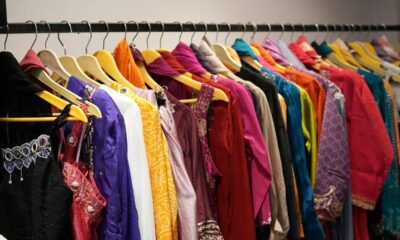
In Delhi, the research highlights interest in assembling affordable looks using two or three clothing pieces costing less than ₹1,000, with accessories and dupattas helping create different combinations.
The trend challenges the assumption that consumers need a completely new outfit for every night of celebration. Reusing clothing creatively offers a way to participate in multiple events without continually increasing spending.
For fashion retailers, the findings point towards opportunities in versatile clothing, affordable accessories and styling ideas that make existing wardrobes work harder.
Home Rituals and Community Celebrations Gain Importance
The shift extends beyond shopping. According to the report, 56% of the identified Dussehra audience segments are oriented towards home-based rituals and cooking.
The study also highlights neighborhood Ramlilas, local gatherings and housing-society Garba celebrations as important alternatives to more expensive, large-scale events.
These forms of participation allow people to preserve festive traditions while placing greater emphasis on community, convenience and affordability.
For businesses, this could create opportunities to support local events, offer accessible products and develop campaigns that reflect how people celebrate in their own neighborhoods.
What the Findings Mean for Brands in 2027
LS Digital argues that companies need to move beyond the assumption that festive enthusiasm automatically translates into higher spending.
Jewelry brands could emphasize smaller gold formats and old-gold exchange options, while retailers and publishers could provide reliable, region-specific information about rituals, colors, and preparations. Local sponsorships and community-focused initiatives could also help brands connect with consumers.
Prasad Shejale, Founder and CEO of LS Digital, said the opportunity lies in moving from occasion-led marketing towards strategies informed by consumer intent. He emphasized that people can remain committed to a tradition even as the commercial format of their purchases changes.
Venugopal Ganganna, the company’s CEO of Tech and Innovation, similarly highlighted how combining search behavior, cultural context and AI-led analysis can help brands understand what consumers are trying to accomplish.
The broader message is clear: India’s festive traditions are not necessarily losing their appeal. Instead, consumers are finding new ways to sustain them, with budgets, convenience and community increasingly shaping how they shop and celebrate.
For brands planning their 2027 festive campaigns, understanding these practical choices could prove just as important as understanding the festivals themselves.