








News
Russia Plague Scare: WHO Says Epidemic Risk Is Low After Lab Worker’s Death

Russia’s plague scare has triggered quarantine measures, international scrutiny and calls for greater transparency after a 28-year-old laboratory worker died in Siberia. But the WHO says the risk of a wider epidemic remains low.
WHO Sees No Sign of Wider Plague Outbreak
The World Health Organization has assessed the risk of a plague epidemic following the death of a laboratory worker in Russia as low, despite growing international concern over what happened at a plague research facility in Siberia.
Darya Shipilova, 28, died on October 2 after developing an unexplained form of pneumonia. She worked at the Irkutsk Anti-Plague Research Institute, prompting speculation that she could have been exposed to dangerous pathogens at work.
However, Russian health authorities have not confirmed that Darya Shipilova had plague or that her illness was connected to laboratory work. Russia has described her cause of death as pneumonia of unknown origin.
WHO spokesperson Christian Lindmeier said Russia had reported that contacts of the deceased had been identified and monitored, with no symptoms reported among them. WHO assessed the risk as higher locally than elsewhere, but said the risk to the wider Russian population remains low.
Nearly 200 People Initially Quarantined
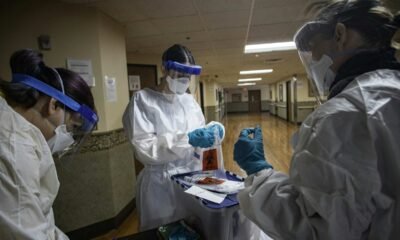
The death prompted extensive precautionary measures in and around Irkutsk. Authorities initially placed around 200 people under observation or quarantine, although many have since been released.
Russian authorities said testing among contacts had not identified plague infections. Officials detected other respiratory illnesses, including COVID-19 and rhinovirus, among some people under observation, but said there was no evidence of a plague outbreak.
The situation has nevertheless attracted international attention because the victim worked at a facility specifically dedicated to researching and controlling plague and other dangerous infectious diseases.
Reports circulating online have claimed that Shipilova may have been exposed after an accident involving a test tube containing plague bacteria. Other reports have suggested possible exposure during fieldwork. Russian authorities have not confirmed those accounts, and Reuters reported that no official evidence has established a connection between her death and her workplace.
WHO Calls for Transparency
The uncertainty surrounding the case has led to calls for Russia to provide more information.
WHO Director-General Tedros Adhanom Ghebreyesus urged timely, transparent information sharing under international health regulations so health agencies can accurately assess any potential public health threat.
The United States is also monitoring developments. Secretary of State Marco Rubio said Russia should provide more information about the case, while President Donald Trump indicated that Washington was prepared to assist if necessary.
The Kremlin has urged people to rely on official information rather than rumors, while Russia’s health watchdog Rospotrebnadzor has said the situation remains under control.
Why Plague Still Raises Global Alarm
Plague is caused by the bacterium Yersinia pestis and remains present in natural animal reservoirs in several parts of the world. According to WHO, humans can contract the disease through infected flea bites, contact with infected tissues, or, in the case of pneumonic plague, inhalation of infectious respiratory particles.
Pneumonic plague is particularly serious because it can spread between people and can become rapidly fatal without early treatment. However, WHO notes that plague can be effectively treated with antibiotics when diagnosed promptly.
For now, there is no confirmed evidence of a wider plague outbreak in Russia. The investigation into Shipilova’s death continues, while health authorities monitor those who may have been exposed.
The episode has nevertheless highlighted why even a single unexplained death at a high-containment infectious-disease facility can trigger an international public-health response.