





News
Keir Starmer Resigns as UK Prime Minister After Dramatic Fall From Power

Sir Keir Starmer has announced his resignation as both leader of the Labour Party and Prime Minister of the United Kingdom, bringing a dramatic end to one of the most turbulent premierships in recent British political history. The decision follows weeks of growing unrest within Labour ranks, declining public support, and mounting calls for a leadership change after disappointing electoral performances and persistent economic challenges. Former Greater Manchester mayor Andy Burnham is expected to win the Labour Party’s support and may be the next Prime Minister.
From Landslide Victory to Leadership Crisis
Keir Starmer entered Downing Street in 2024 after leading Labour to a historic landslide victory that ended 14 years of Conservative rule. The former human rights lawyer promised a new era of stability, integrity, and economic renewal.
However, despite the scale of the election triumph, Labour’s victory was built on a relatively modest share of the popular vote, leaving the government vulnerable to shifting public sentiment.
Within months of taking office, Keir Starmer faced criticism over controversial policy decisions, including cuts to winter fuel payments for pensioners and a series of policy reversals that damaged his credibility among voters and lawmakers alike.
His approval ratings steadily declined, while opponents accused him of lacking a clear political vision.
Economic Pressures and Political Setbacks
A sluggish economy, ongoing cost-of-living concerns, and pressure on public services became defining challenges of Starmer’s administration.
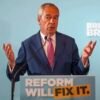
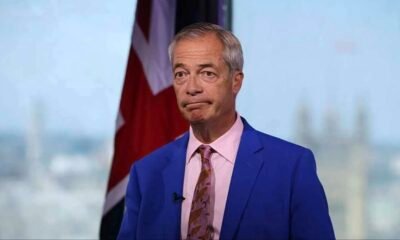
Labour also struggled to contain the rise of Reform UK, led by Nigel Farage, which capitalized on voter dissatisfaction over immigration, economic growth, and government performance.
Several high-profile controversies further weakened the government. Internal disputes, ministerial resignations, and criticism over appointments added to perceptions of instability inside Downing Street.
Political analysts increasingly questioned whether Starmer could lead Labour into the next general election.
Emotional Farewell
In a speech outside 10 Downing Street, Keir Starmer confirmed that he had accepted the verdict of his parliamentary colleagues.
He acknowledged that Labour MPs had raised concerns about whether he remained the best person to lead the party forward and said he accepted their judgment “with good grace.”
The outgoing prime minister reflected on his journey from a working-class upbringing to the highest office in British politics. He paid tribute to his wife, Victoria, and their children, describing them as his greatest source of support throughout his political career.
Keir Starmer said he would remain Prime Minister until a successor is chosen.
Andy Burnham Emerges as Leading Successor
Attention is now turning to who will replace Starmer at the top of British politics.
Former Greater Manchester mayor Andy Burnham is widely regarded as the frontrunner after recently returning to Parliament through a by-election victory. Burnham has long been viewed as a potential Labour leader and has already secured support from several prominent party figures.
A leadership contest is expected to conclude by September, although Labour could move more quickly if a clear consensus candidate emerges.
A Short but Significant Legacy
Despite serving as one of Labour’s shortest-serving prime ministers, Starmer leaves behind a complex legacy.
Supporters credit him with restoring Labour’s electoral viability after the party’s 2019 defeat and strengthening Britain’s role on the international stage. Critics, however, argue that his government failed to deliver a compelling vision capable of sustaining public support.
His resignation marks another chapter in a decade of political upheaval in the UK, where leadership changes have become increasingly frequent.