




Trump Presidency
Austria Denies US Military Airspace Access Amid Iran Conflict
Austria’s neutrality, established after World War II, legally restricts the nation from supporting military campaigns or joining alliances such as NATO.

Austria has refused to allow United States military aircraft to use its airspace for operations linked to the escalating conflict with Iran, citing its long-standing neutrality policy.
Officials from Austria’s defense ministry confirmed that multiple requests from United States authorities were denied. Under Austrian law, military overflights are prohibited if they are directly or indirectly connected to active armed conflicts. The rule applies regardless of the country requesting access.
Austria’s neutrality, established after World War II, legally restricts the nation from supporting military campaigns or joining alliances such as NATO.
Keir Starmer Stands Firm Amid Trump’s NATO Comments, Signals UK Strategic Shift
Strategic Importance of Austrian Airspace
Austria’s geographic position in Central Europe makes its airspace highly valuable for military transit between Western Europe and the Middle East. By denying access, Vienna effectively forces military planners to consider longer and more complex routes.
This development comes as the conflict, now in its fifth week, continues to intensify, with increasing logistical demands on US and allied forces operating in the region.
Europe Pushing Back on Trump over Iran War
Growing European Reluctance
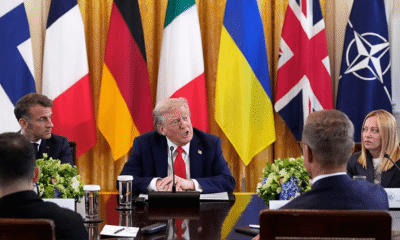
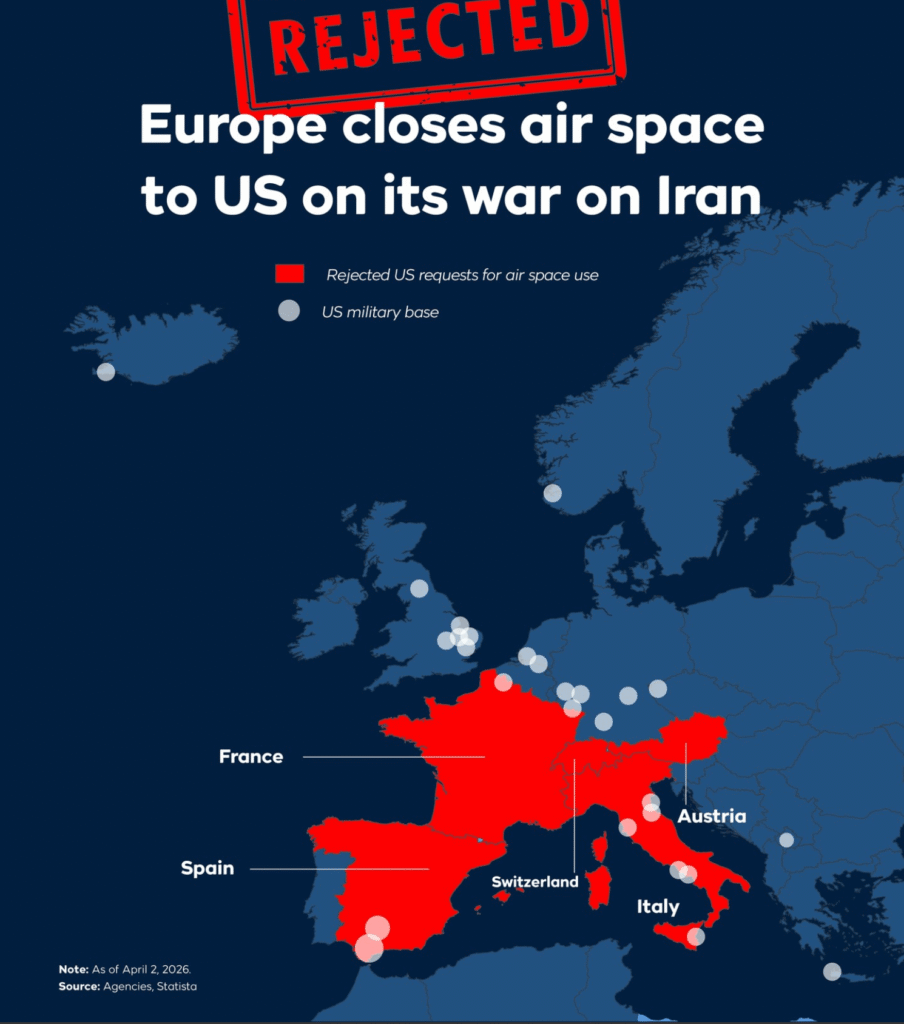
Austria is not alone in restricting US military access. Countries like Spain and Italy have also imposed limitations on the use of their airspace or military infrastructure for operations tied to the Iran conflict.
Germany’s President Condemns Iran War, Signals Strained U.S. Relations
Even within NATO, divisions are becoming more visible. Spain’s reported refusal to allow certain US military flights marked a notable departure from alliance expectations, while Italy has introduced stricter authorization procedures.
Meanwhile, France has taken a more cautious approach, reviewing requests individually rather than issuing a blanket ban.
Political Tensions Rise
The decision has added strain to transatlantic relations. Donald Trump has publicly criticized some European governments for what he described as a lack of support during the conflict.
European leaders, however, have cited legal obligations, neutrality principles, and concerns about escalation as key reasons for limiting involvement. Austria, in particular, emphasized that its decision is based on constitutional law rather than political alignment.
Restrictions on airspace access can significantly impact military logistics. Aircraft may need to take longer routes, increasing fuel costs, flight times, and operational complexity.
Austria clarified that its policy does not amount to a blanket ban on all US military flights. Routine or non-combat-related operations may still be permitted on a case-by-case basis. However, any mission tied to active conflict will continue to be denied.
What Comes Next?
It remains unclear how the United States will respond or whether alternative agreements will be pursued with other countries. Military planners are likely to adapt by rerouting operations through more cooperative regions.
Austria’s decision highlights a broader trend: growing hesitation among European nations to become directly or indirectly involved in the conflict. As geopolitical tensions rise, such decisions could further reshape alliances and cooperation frameworks.