




Copyright
Drake Sued Over ‘Janice STFU’ as Songwriter Claims Hit Chorus Was Stolen
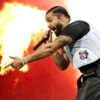
Drake is facing a copyright lawsuit over his chart-topping single “Janice STFU,” with songwriter Aviel Calev Hirschfield alleging that the rapper used a chorus from his unreleased demo without credit or payment. Drake’s representatives have rejected the allegations, calling the lawsuit fabricated and insisting that the rapper wrote the song himself.
Drake’s latest legal battle centers on one of his biggest hits from the ICEMAN era. Songwriter Aviel Calev Hirschfield has accused the rapper, his label and associated companies of copyright infringement, claiming that the hook of “Janice STFU” closely reproduces a demo he says he created months before the track’s release.
The complaint, filed on October 16, 2026, alleges that the chorus is “literally identical” to Hirschfield’s recording in its lyrics and melody. First reported by Billboard, the lawsuit seeks compensation and a share of profits from the commercially successful single.
Drake’s team has firmly denied the accusations, setting up a dispute over authorship, recording metadata and the origins of the song’s most recognizable section.
Drake’s ‘Janice STFU’ Chorus at the Center of Copyright Dispute
According to the complaint, Aviel Calev Hirschfield developed his demo between December 2025 and January 2026 using an instrumental he received from producers Michael “Finatik” Mulé and Isaac “Zac” De Boni, collectively known as FNZ.
The production duo has worked with Drake previously and is credited as co-writers on “Janice STFU.” Aviel Calev Hirschfield alleges that he created his recording specifically with Drake in mind and sent it to FNZ and other producers connected to the rapper.
He claims he received no response and only discovered the alleged similarities when Drake released the finished song as part of his ICEMAN project in May 2026.
The lawsuit argues that Aviel Calev Hirschfield’s contribution to the chorus warrants songwriting recognition and publishing royalties. It also alleges that he supplied recording stems and metadata to support his account of when the demo was created.
Hirschfield previously received a co-writing credit on Beyoncé’s 2022 track “Heated,” according to the supplied reporting.
Drake’s Team Calls the Lawsuit ‘Entirely Fabricated’
Drake’s representatives have rejected the allegations in unusually forceful terms.
In a statement reported by Billboard, the rapper’s team said the claims were categorically false and described the lawsuit as an attempt to exploit Drake’s reputation and commercial success.
The representatives maintain that Drake wrote “Janice STFU” himself and deny that he had any knowledge of Hirschfield.
The complaint also alleges that Drake’s representatives questioned the authenticity of the songwriter’s files and suggested the metadata could have been manipulated to make the demo appear older than it was.
Those competing accounts leave a central question unresolved: can the original recordings and associated digital records establish when the disputed material was created and whether protected elements were copied?
Neither the lawsuit filing nor Drake’s denial settles the question of authorship. The allegations will need to be assessed through the legal process and any supporting evidence.
Why Lykke Li’s ‘I Follow Rivers’ Matters
The dispute also involves “I Follow Rivers,” the 2011 song by Swedish singer-songwriter Lykke Li.
Both Hirschfield’s alleged demo and Drake’s released track reportedly incorporate elements of the earlier song. According to the supplied material, Drake’s release credits the relevant writers.
That shared musical source complicates any assessment based solely on similarities between the recordings. Investigators would need to distinguish material drawn from the earlier composition from any original lyrics, melodies, or other elements that Hirschfield claims Drake reproduced.
That distinction could matter in determining whether the alleged similarities establish copyright infringement.
Online Debate Raises Questions About the Alleged Demo
The lawsuit has also triggered discussion among hip-hop commentators and music producers.
Content creator What’s the Dirt examined the alleged reference recording and raised questions about its vocal characteristics and possible manipulation. Speculation about artificial intelligence has circulated online, but no verified finding establishes that the recording was generated or altered using AI.
Producer Boi-1da also weighed in on the broader problem of successful artists facing accusations that they copied other people’s work, according to the supplied reporting.
Another point under discussion is the song’s history before its official release. Drake previewed an earlier version, reportedly titled “That’s Just How I Feel,” during an ICEMAN livestream in September 2025.
That earlier preview predates Hirschfield’s claimed recording period. However, the available information does not establish whether the disputed chorus was already present in the preview, making a direct comparison of the relevant versions important.
View this post on Instagram
What Happens Next in the Drake Lawsuit?
“Janice STFU” became a major commercial success, spending two weeks at No. 1 on the Billboard Hot 100 and 20 weeks atop Billboard’s Hot Rap Songs chart, according to the supplied reports.
The lawsuit names Drake, OVO Sound and Universal Music Group among the defendants. Aviel Calev Hirschfield is seeking compensation tied to the song’s earnings, alongside recognition for his alleged contribution.
The dispute now turns on evidence rather than online speculation. Original audio files, production records, metadata, communications and comparisons between the relevant compositions could all become significant as the case progresses.
For Drake, the allegations put one of his biggest recent hits under fresh scrutiny. For Hirschfield, the legal action represents an attempt to secure credit and compensation he says he is owed.
Until the claims are tested, however, the central accusation remains disputed, and Drake’s team continues to insist that the song is entirely his own work.