




Trump Presidency
Iran Rejects US 48hrs Ceasefire Proposal Amid Rising Regional Tensions

Iran has reportedly turned down a U.S. proposal for a 48-hour ceasefire, according to local media sources. The development comes amid heightened tensions linked to the ongoing US-Iran tensions and regional instability.
Iranian semi-official media cited an unnamed source claiming that Tehran rejected the short-term truce offer, which had been conveyed indirectly through a third country earlier this week. The identity of the intermediary nation has not been disclosed.
As of now, there has been no official confirmation or response from the United States authorities regarding the reported proposal or its rejection.
Escalating Conflict Dynamics
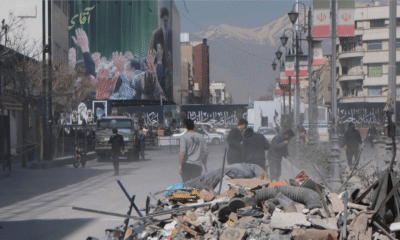
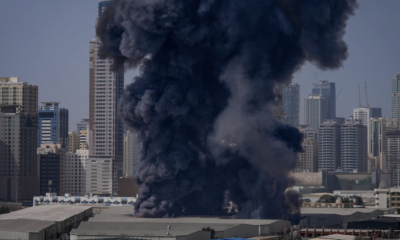
The reported rejection of the US ceasefire proposal comes at a time of escalating hostilities in the region, with recent strikes intensifying concerns about a broader conflict. Images emerging from Tehran show plumes of smoke rising over the city, highlighting the volatile situation on the ground.
Analysts say that even a temporary ceasefire could have provided a brief window for humanitarian relief and diplomatic engagement. However, Tehran’s decision suggests a reluctance to pause military or strategic operations under current conditions.
Iran's position is being misrepresented by U.S. media.
We are deeply grateful to Pakistan for its efforts and have never refused to go to Islamabad. What we care about are the terms of a conclusive and lasting END to the illegal war that is imposed on us.
پاکستان زنده باد pic.twitter.com/AUjBQxOFyA
— Seyed Abbas Araghchi (@araghchi) April 4, 2026
Diplomatic Channels Under Strain
According to reports, the US ceasefire proposal was communicated through backchannel diplomacy, a common approach in sensitive geopolitical situations. Such indirect negotiations often involve neutral or allied countries acting as intermediaries to facilitate dialogue.
The rejection may indicate deeper disagreements over the terms of the ceasefire, including conditions related to military activity, sanctions, or broader political objectives. Without official statements from either side, the precise reasons remain unclear.
The lack of immediate response from Washington adds another layer of uncertainty, leaving observers to speculate about the next steps in diplomatic engagement.
Global Implications
The situation has significant implications for regional stability and global security. Any escalation involving Iran and the United States could impact international energy markets, trade routes, and geopolitical alliances.
A failed ceasefire effort may also complicate the role of international organizations and allies attempting to mediate peace. Historically, short-term truces have often served as stepping stones toward broader negotiations, making this rejection a potential setback.
With tensions showing no immediate signs of easing, attention now turns to whether new diplomatic efforts will emerge or if the situation will escalate further. The international community is likely to closely monitor developments, particularly any signals of renewed negotiations or military responses.
For now, the reported rejection underscores the fragile nature of diplomacy in high-stakes conflicts and raises questions about the prospects for de-escalation in the near future.