





News
Kanye West’s SoFi Comeback Concert Reignites Debate Over Celebrity Complicity
A sold-out SoFi Stadium show brought star-studded appearances — but the guest list overshadowed the music

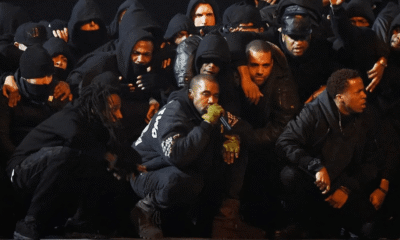
Kanye West returned to the stage at Los Angeles’ SoFi Stadium for a high-profile pair of performances, drawing tens of thousands of fans and a parade of collaborators. But what was intended as a celebration of his catalog quickly became something else entirely: a fresh flashpoint in an ongoing conversation about artistic legacy, moral accountability, and who is willing to stand publicly beside a controversial figure.
A Star-Studded Night That Sparked Immediate Controversy
The Friday show featured Travis Scott and CeeLo Green, both featured on Kanye West’s album Bully, performing their respective tracks. West’s 12-year-old daughter, North West, also appeared on stage for the second time that week.
The night’s most consequential moment, however, belonged to Lauryn Hill. The Grammy-winning icon joined West for a performance of his 2004 track “All Falls Down”, a song she helped inspire — and the pair embraced warmly before she exited the stage. She also performed several of her own songs, joined at one point by her sons Zion Marley and YG Marley.
The moment was designed to evoke musical history. Instead, it detonated online.
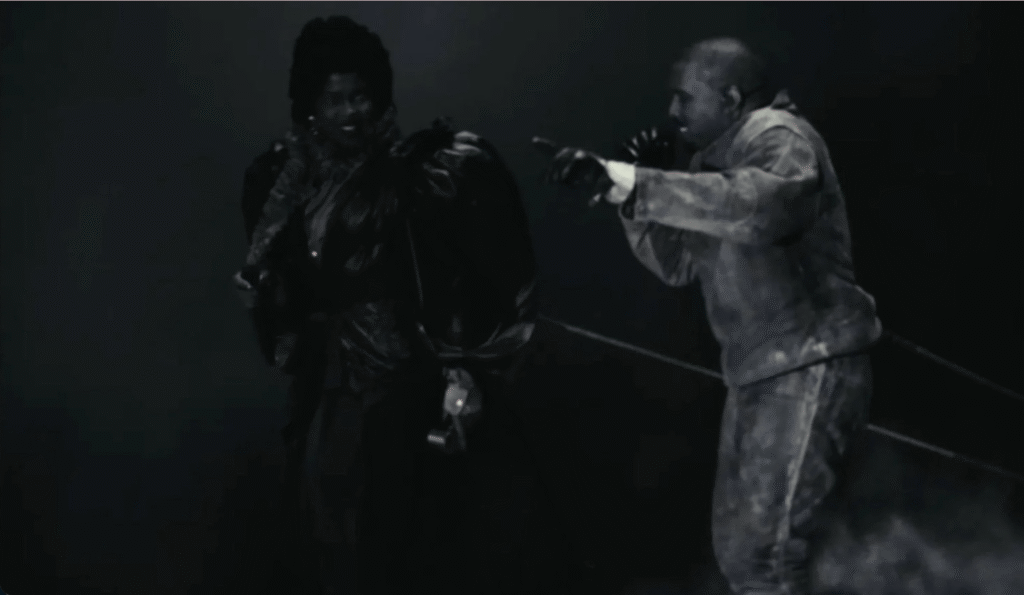
SoFi Stadium Erupts as Lauryn Hill Joins Kanye West on Stage
Why Lauryn Hill’s Appearance Hit Differently
Within hours, social media erupted with criticism questioning why an artist of Hill’s stature would share a stage with Kanye West, given the unresolved fallout from his widely condemned antisemitic remarks and the release of “Heil Hitler,” a track that drew fierce backlash for its explicit Nazi references and helped accelerate his estrangement from much of the entertainment industry.
West has since attempted to walk some statements back, but the controversy has continued to shape how every performance, collaboration, and public appearance is received.
Hill’s selective public profile made her appearance carry a symbolic weight that Scott’s or Green’s did not. For many observers, a brief musical reunion read less as nostalgia and more as tacit endorsement.
The Calculus of the Co-Sign
Kanye West’s shows continue to sell out. His peers continue to appear alongside him. But the cultural mathematics around those decisions has shifted.
Each co-sign is now filtered through a lens that didn’t exist a few years ago, refracted through remarks that cost Kanye West major label deals, brand partnerships, and significant industry relationships. Artists who appear with him are no longer simply making a musical statement; they are making a reputational one.
That reality is what made Friday’s show remarkable, not the scale of the production, and not even the music itself. It was the guest list, and the question that the guest list keeps forcing back into public conversation: at what point does a performance become more than a performance?
That question, for now, remains unanswered.