




Trump Presidency
Trump’s Favorite Shoe Brand Files Lawsuit Over Tariffs

A surprising legal battle has emerged involving Donald Trump and a footwear brand often linked to his public image. The parent company of Florsheim, Weyco Group, has filed a lawsuit challenging tariffs introduced during Trump’s presidency.
The complaint, filed with the United States Court of International Trade, argues that the tariffs imposed under emergency powers were unlawful and seeks refunds of duties paid on imported goods.
The case has drawn attention because the brand Florsheim, at the center of the dispute, has been widely associated with Trump himself.
Small Businesses Sue Trump Administration Over New Global Tariffs
Tariffs at the Center of the Dispute
According to the lawsuit, Florsheim’s parent company, Weyco Group, claims the administration exceeded its authority by implementing broad tariffs using the International Emergency Economic Powers Act.
The company argues that the law was never intended to grant presidents sweeping authority to impose tariffs without congressional approval or public consultation.
In its filing, Weyco Group contends that trade deficits do not constitute the kind of “extraordinary threat” required to justify such emergency economic measures.
As part of the legal challenge, the company is asking the court to declare the tariffs unlawful and order refunds of the collected duties, including interest.
A Brand Closely Linked to Trump
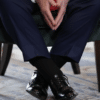
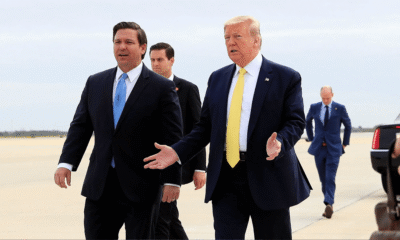
The dispute is particularly notable because Florsheim shoes have become closely associated with Trump’s personal style and public persona.
Reports in recent years have described the president frequently wearing dress shoes and even gifting pairs to cabinet members, advisers, and political allies.
The Chicago-founded brand, established in 1892, is known for classic leather footwear and has long been a staple of formal American business attire.
Trump’s enthusiasm for the shoes reportedly extended to ordering pairs for colleagues and guests, sometimes even asking them for their shoe size during meetings.
Wider Legal Challenges to Trade Policies
The lawsuit is part of a broader wave of legal challenges related to tariff policies implemented during Trump’s administration.
Several importers and business groups have questioned whether the use of emergency powers for trade policy was legally justified.
In addition, a coalition of U.S. states recently filed separate legal action seeking to block newly announced tariffs, reflecting growing concern among industries affected by import duties.
Legal experts say the outcome of these cases could significantly influence how future administrations use emergency economic powers in trade disputes.
What Happens Next
For now, the case has been temporarily paused as courts await further legal guidance following related rulings by the Supreme Court of the United States concerning the limits of emergency economic authority.
If the stay is lifted and the court rules in Weyco’s favor, the company could potentially recover millions of dollars in tariffs it claims were collected unlawfully.
Regardless of the outcome, the case highlights the complex intersection of politics, trade policy, and business interests — and the unusual situation of a brand closely associated with a president taking legal action against his own administration.