

News
Iran’s $20,000 Drones vs US $4 Million Patriots: The High-Stakes Math of Modern Warfare
Military analysts describe Iran’s strategy as deliberate. By saturating defenses with large numbers of drones, Tehran may aim to drain interceptor inventories and strain political resolve among Gulf partners.

Just days into the expanding Iran conflict, a stark imbalance is shaping the battlefield: $20,000 drones versus $4 million interceptor missiles. The emerging war of attrition between Iran and U.S.-aligned forces across the Middle East may ultimately hinge not on firepower alone, but on which side exhausts its weapons stockpiles first.
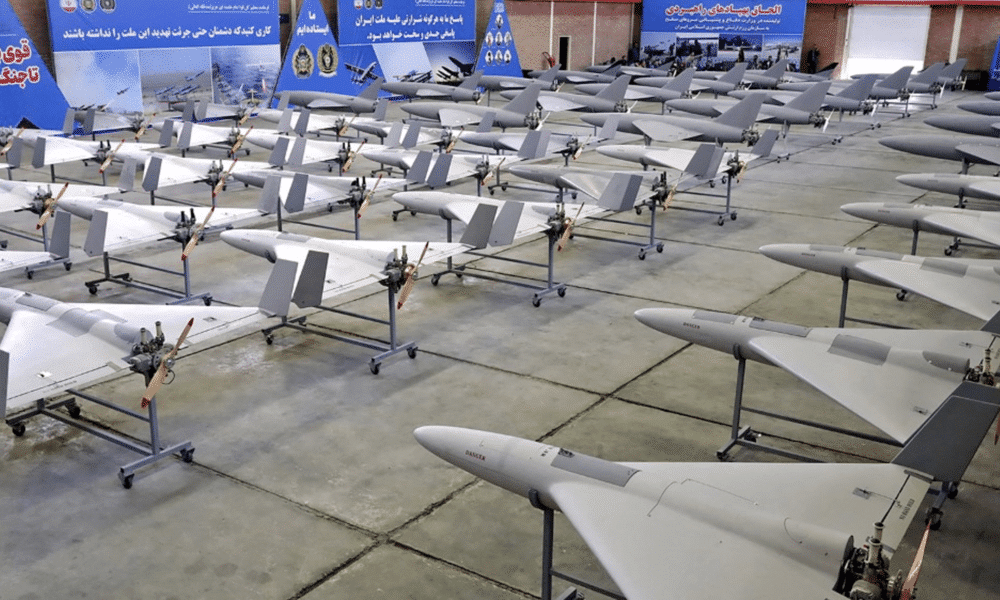
At the center of this asymmetric equation are Iran’s Shahed-136 one-way attack drones and the U.S.-made Patriot air-defense system.
Cheap Drones, Expensive Defenses
Iran has launched waves of Shahed-136 drones targeting U.S. bases, oil infrastructure, and civilian sites in Gulf states, including the United Arab Emirates and Bahrain. The drones, which function like rudimentary cruise missiles, are relatively inexpensive and can be produced at scale.
Defending against them are Lockheed Martin-built Patriot systems firing PAC-3 interceptors, each costing roughly $4 million. While interception rates have reportedly exceeded 90% in some Gulf states, the financial disparity highlights a growing concern for Western military planners.
Using multi-million-dollar missiles to neutralize low-cost drones creates a sustainability challenge. Thousands of interceptors may have already been deployed in recent days, rapidly depleting regional stockpiles.
A War of Attrition in the Gulf
Military analysts describe Iran’s strategy as deliberate. By saturating defenses with large numbers of drones, Tehran may aim to drain interceptor inventories and strain political resolve among Gulf partners.
Kelly Grieco of the Stimson Center notes that attritional warfare can favor the attacker when defensive resources are limited. If Gulf states face dwindling missile reserves, pressure could mount on Washington and its allies to seek de-escalation.
Qatar’s Patriot interceptor stocks, according to internal assessments cited in regional reporting, could last only days at the current rate of use.
Meanwhile, Iran is believed to have had around 2,000 ballistic missiles after last year’s confrontation with Israel, alongside a far larger supply of Shahed drones. Russia, a key producer of the Shahed platform, has reportedly scaled output to several hundred units per day.
View this post on Instagram
The Broader Military Balance
The U.S. and its partners also operate the THAAD missile defense system, another Lockheed Martin platform designed to intercept advanced ballistic threats at high altitudes. Each THAAD interceptor costs approximately $12 million, making it unsuitable for countering inexpensive drones.
Fighter jets equipped with Advanced Precision Kill Weapon System missiles—costing between $20,000 and $30,000 each—have also been deployed. However, jet operations add substantial operational expenses.
Purpose-built anti-drone systems, such as laser defenses and automatic cannons, remain limited in the region. Israel’s Iron Beam laser, developed by Rafael Advanced Defense Systems, has been designed to offer a lower-cost interception alternative, though reports indicate it has not yet been deployed in the current conflict.
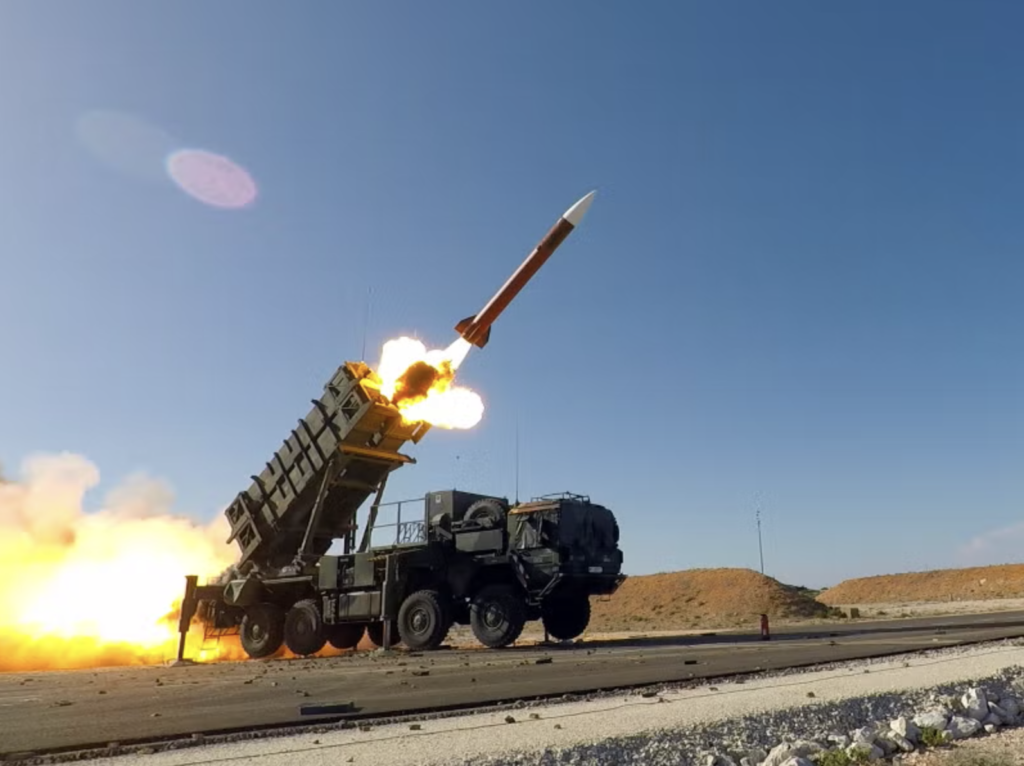
US Patriot System – Lockheed Martin-built Patriot systems firing PAC-3 interceptors
Strategic Implications
The attrition dynamic extends beyond equipment costs. Iran’s Supreme Leader Ali Khamenei had previously warned of broader regional consequences if strikes intensified. While Iran’s air defenses reportedly suffered significant damage early in the conflict, its offensive drone capacity remains active.
On the U.S. side, defense officials emphasize that the current operation is not intended to mirror prolonged wars of the past. However, sustaining high interceptor usage could challenge production capacity, as only hundreds of PAC-3 missiles are manufactured annually.
If both offensive and defensive arsenals diminish rapidly, a stalemate could emerge. Analysts suggest that such an outcome may allow Iran’s leadership structure to remain intact, albeit under severe strain.
In this unfolding confrontation, the defining question may not be who strikes harder—but who can afford to keep striking longer.














































Pingback: Indian Ocean Flashpoint: Iranian Warship Downed After India Visit
Pingback: Amazon AWS Bahrain Down as US Iran War Claims New Targets
Pingback: German President Calls Iran War a Disaster, Criticizes Trump