




Formula 1
Lando Norris Criticizes F1 Power Units After ‘Yo-Yo Racing’ at Japanese Grand Prix
At the heart of Lando Norris’ frustration is a phenomenon known as “yo-yo racing.” This occurs when one driver uses battery power to overtake, only to lose energy immediately afterward, allowing the rival to retake position on the next straight.

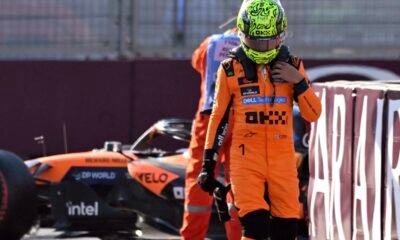
Lando Norris has sparked fresh debate in the Formula 1 world after criticizing the role of power units in modern racing. Following the Japanese GP at Suzuka, the McLaren driver described moments where he felt “at the mercy” of his car’s technology rather than in control. Lando Norris called it yo-yo racing.
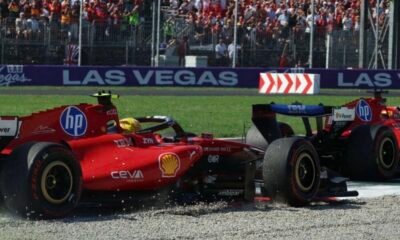
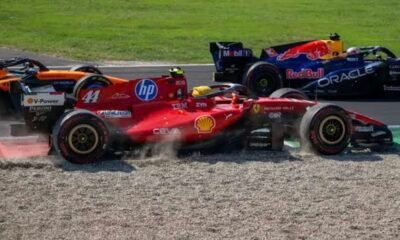
Lando Norris finished fifth in the race but found himself in a controversial on-track battle with Lewis Hamilton, highlighting what he believes is a growing issue in the sport.
The ‘Yo-Yo Racing’ Problem Explained
At the heart of Lando Norris’ frustration is a phenomenon known as “yo-yo racing.” This occurs when one driver uses battery power to overtake, only to lose energy immediately afterward, allowing the rival to retake position on the next straight.
During his duel with Lewis Hamilton, Lando Norris revealed that he sometimes overtook unintentionally due to automatic battery deployment from his power unit.
“Sometimes I didn’t even want to overtake,” Lando Norris explained, emphasizing that the system’s lack of manual control left him unable to manage race strategy effectively.
F1 Drivers Demand Urgent Action After Oliver Bearman’s ‘Scary’ Crash at Japanese Grand Prix
Drivers Losing Control?
Norris’ criticism centers on the reduced control drivers have over hybrid power systems. He described scenarios where lifting off the throttle in high-speed corners triggered unexpected battery deployment when accelerating again, forcing moves he hadn’t planned.
According to Norris, this undermines the authenticity of racing, as drivers are no longer fully dictating when and how to attack or defend.
While such battles may appear exciting on television, he argued that the experience inside the cockpit tells a different story.
Mixed Reactions Across the Grid
Charles Leclerc offered a more optimistic view, stating that newer F1 cars still provide competitive racing. The differing opinions reflect a broader divide within the paddock over the sport’s evolving technical regulations.
The debate comes at a time when Formula 1 is balancing innovation with maintaining the purity of driver skill—a challenge that has intensified in the hybrid era.
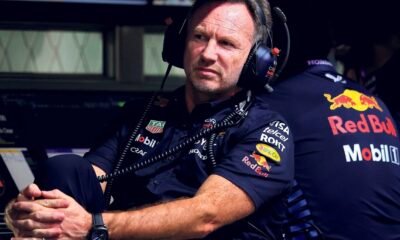
Beyond on-track concerns, off-track tensions continue to shape the sport. Toto Wolff recently cast doubt on the return of Christian Horner, suggesting lingering controversies may impact his future in the paddock.
Such dynamics highlight the complex landscape of modern Formula 1, where technical, competitive, and political factors intersect.
What This Means for the Future of F1
Norris’ comments could reignite discussions around power unit regulations and driver autonomy. As Formula 1 continues to innovate, ensuring that drivers remain central to the sport’s identity will be critical.
Fans and stakeholders alike may now look to governing bodies for potential adjustments that restore greater control to drivers without sacrificing technological progress.
Lando Norris’ candid remarks have brought attention to a growing concern in Formula 1: the balance between technology and driver skill. As debates over “yo-yo racing” intensify, the sport faces a pivotal question—how to evolve while preserving the essence of true racing.