







News
IRGC Targets Oracle, Amazon, and US Military Sites in Major Middle East Escalation

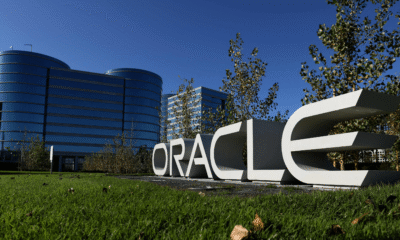
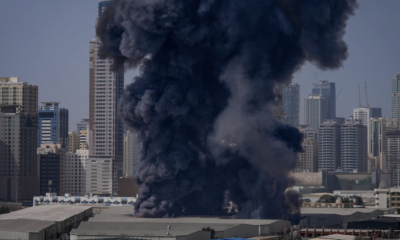
Islamic Revolutionary Guard Corps (IRGC) has reportedly launched a series of coordinated attacks across the Middle East, targeting critical infrastructure and U.S.-linked assets. Among the most notable strikes were on a data center operated by Oracle Corporation in Dubai and a cloud computing facility linked to Amazon in Manama.
The attacks mark a significant escalation in regional tensions, with multiple countries affected within a short span of time.
Tech Infrastructure Comes Under Fire
According to reports, the IRGC confirmed targeting data centers tied to American companies, framing the strikes as retaliation against perceived aggression. The attack on Oracle’s Dubai facility and Amazon’s Bahrain operations highlights a growing trend of cyber and physical threats converging on digital infrastructure.
In Bahrain, authorities reported fires at a commercial facility following the strike, with emergency teams deployed to contain the damage.
There’s one striking difference between the present and the Stone Age: there was no oil or gas being pumped in the Middle East back then.
Are POTUS and Americans who put him in office sure that they want to turn back the clock?
— Seyed Abbas Araghchi (@araghchi) April 2, 2026
US Military and Diplomatic Sites Also Hit
Beyond commercial infrastructure, U.S. military and diplomatic assets were also targeted. Drones reportedly struck near a U.S. diplomatic facility close to Baghdad International Airport in Baghdad, while additional drone activity was reported at the Al Azraq Air Base in Jordan.
Security sources indicated that while damage assessments are ongoing, the attacks demonstrate an expanded operational scope targeting both civilian and military entities.
Regional Fallout and Rising Security Concerns
The escalation has prompted urgent diplomatic responses. Abdullatif bin Rashid Al Zayani called on the United Nations Security Council to act swiftly, proposing measures to secure commercial shipping routes, particularly around the strategically vital Strait of Hormuz.
Meanwhile, reports suggest additional potential targets across the Gulf, including infrastructure in Kuwait, Saudi Arabia, and the United Arab Emirates, raising fears of a broader regional conflict.
Iranian state-linked media outlets have framed the attacks as a direct response to prior actions against Iranian interests. Statements attributed to IRGC leadership indicated that targeting U.S.-linked companies and assets was intended to impose costs and deter further escalation.
The messaging also included warnings that additional strikes could follow if tensions continue to rise, signaling a prolonged period of instability.
The latest wave of IRGC attacks underscores a dangerous shift in modern conflict, where critical technology infrastructure and military assets are increasingly intertwined targets. With multiple nations affected and global companies caught in the crossfire, the situation poses serious risks to regional stability and international commerce.
As diplomatic efforts intensify and security measures tighten, the world watches closely to see whether tensions will de-escalate—or spiral into a wider confrontation.