




Mental Health
“Money Can’t Buy Happiness”: Elon Musk’s Viral Post Raises Eyebrows

Elon Musk is no stranger to commanding the internet’s attention, but his latest post struck a different tone. The billionaire entrepreneur shared a brief but emotionally charged message suggesting that wealth alone does not guarantee happiness — a remark that quickly went viral and triggered a wave of reactions across social media.
Coming from the world’s richest individual, the message landed with unusual weight.
A Billionaire’s Surprisingly Somber Reflection
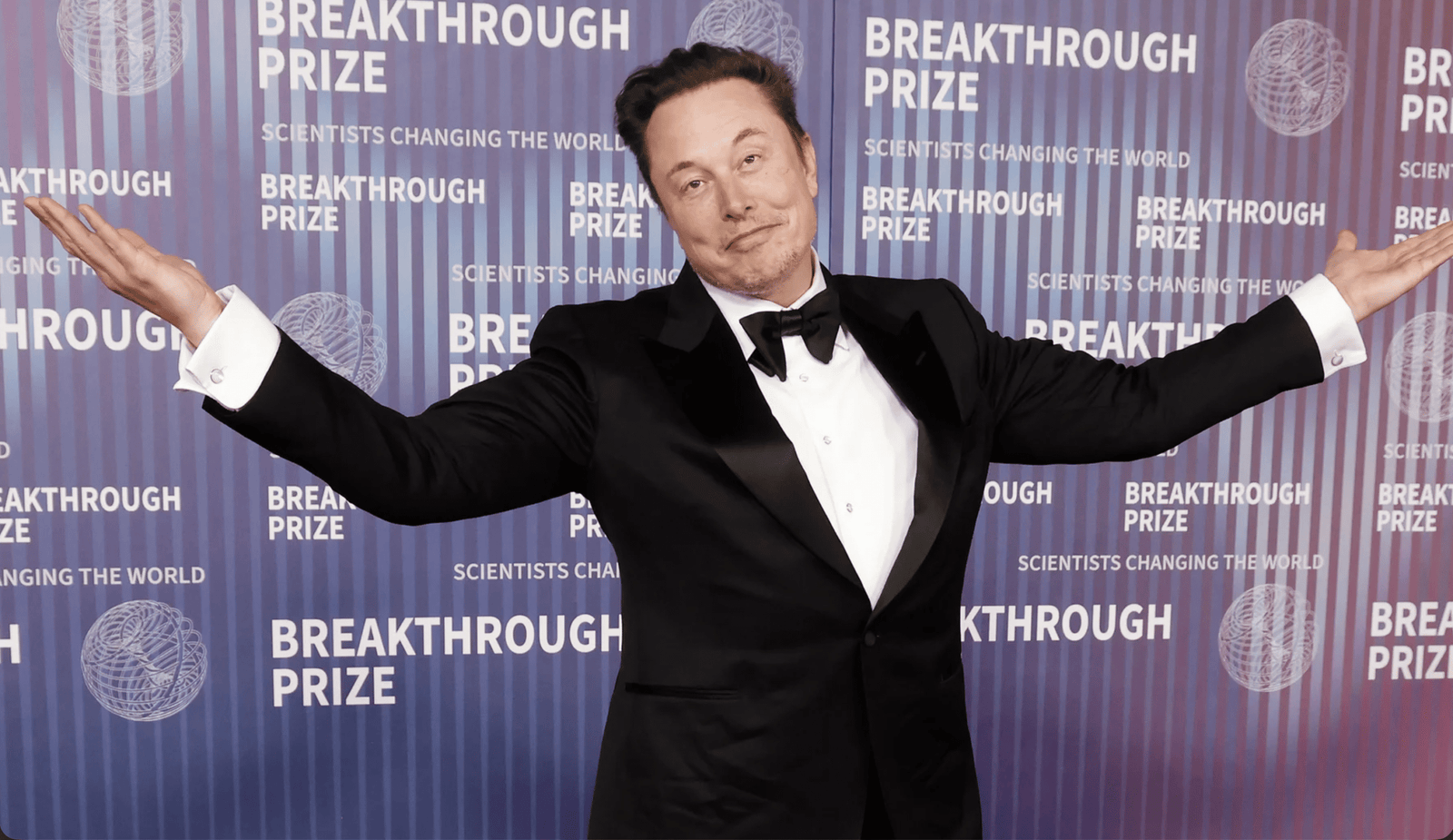
On February 5, Elon Musk posted on X that whoever coined the phrase “money can’t buy happiness” truly understood something important. He punctuated the thought with a sad-face emoji, giving the post an unexpectedly introspective feel.
The timing made the message even more striking. Elon Musk’s net worth has surged to historic levels, placing him far ahead of any other individual in modern financial rankings. Against that backdrop, his comment felt less like a cliché and more like a confession — or at least a moment of vulnerability from a figure usually associated with ambition, innovation, and relentless forward momentum.
Because Elon Musk’s words often ripple far beyond his immediate audience, the post quickly sparked speculation. Was it a personal admission? A philosophical observation? Or simply another example of Musk stirring conversation with minimal effort?
Whoever said “money can’t buy happiness” really knew what they were talking about 😔
— Elon Musk (@elonmusk) February 5, 2026
The Internet Reacts: Jokes, Faith, and Philosophy
As expected, reactions poured in from every direction. Many users responded with humor, highlighting the irony of a billionaire lamenting happiness. Others took a more reflective approach, using Musk’s words as a springboard to discuss mental health, purpose, and fulfillment.
Some comments emphasized that while money can ease stress and provide comfort, it cannot automatically create inner peace or meaningful relationships. A widely shared reply noted that financial security solves practical problems, but emotional well-being requires something deeper — connection, faith, or a sense of purpose.
Critics, however, questioned whether someone with immense privilege could truly relate to the struggles of ordinary people. For them, the post felt tone-deaf, given that financial insecurity remains a major source of unhappiness for millions worldwide. This divide — between empathy and skepticism — kept the discussion alive and trending for hours.
What Research Says About Money and Happiness
Interestingly, Musk’s statement aligns with what many researchers have found. Studies show that income and happiness are linked, but only up to a point. Beyond a certain level of financial comfort, additional wealth tends to produce diminishing emotional returns.
Experts argue that once basic needs and a reasonable level of security are met, happiness becomes more closely tied to purpose, relationships, and feeling useful to others. Musk himself has previously echoed similar sentiments, encouraging people to focus on creating value rather than chasing money for its own sake.
Why Musk’s Comment Resonated
The phrase “money can’t buy happiness” is hardly new, but context matters. When it comes from someone with unprecedented wealth, it forces people to pause and reconsider what success really means. Musk’s post resonated not because it offered a new idea, but because it challenged the assumption that extreme wealth is the ultimate solution to life’s problems.
Whether seen as sincere, ironic, or provocative, Musk’s brief message reopened a timeless debate. In a world that often equates success with money, the post served as a reminder that happiness remains deeply personal — and stubbornly resistant to being measured in dollars.