


News
NASA’s 1,300-Pound Satellite Set to Crash Back to Earth After 14 Years in Orbit
When the mission ended, scientists initially estimated that Van Allen Probe A would remain in orbit until 2034. However, recent solar activity has accelerated its return.

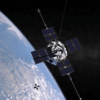
A satellite from NASA is expected to make a dramatic crash return to Earth after spending nearly 14 years in orbit studying the planet’s radiation environment. The spacecraft, known as Van Allen Probe A, is predicted to reenter Earth’s atmosphere on March 10, according to tracking estimates from the United States Space Force.
Weighing about 1,323 pounds (600 kilograms), the NASA satellite will likely crash, break apart, and burn up as it plunges through the atmosphere at extremely high speeds.
Most of the Spacecraft Will Burn Up
Space agencies say the risk to people on the ground is extremely small.
Scientists expect most of the spacecraft to disintegrate during reentry, although a few small pieces could survive the intense heat and fall toward Earth’s surface.
According to NASA estimates, the chance of debris harming anyone is approximately 1 in 4,200, or roughly 0.02%.
Because oceans cover nearly 70% of Earth’s surface, experts believe any remaining debris will most likely fall into open water rather than populated areas.
Mission That Changed Space Weather Science
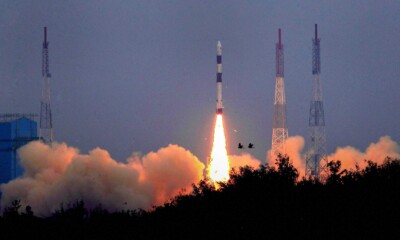
Van Allen Probe A was launched in August 2012 alongside its twin spacecraft, Van Allen Probe B.
Together, the two satellites were designed to study the Van Allen radiation belts, which are regions of charged particles trapped by Earth’s magnetic field.
The mission initially had a two-year lifespan, but both spacecraft operated far longer than expected, collecting valuable scientific data until 2019.
The mission produced major discoveries about how radiation belts behave and how solar storms and cosmic radiation interact with Earth’s magnetic field.
Scientists continue to analyze the mission’s data today to better predict space weather events, which can affect satellites, astronauts, communication systems, and even power grids on Earth.
Why the Satellite Is Reentering Earlier Than Expected
When the mission ended, scientists initially estimated that Van Allen Probe A would remain in orbit until 2034.
However, recent solar activity has accelerated its return.
The Sun has entered a period known as solar maximum, when solar storms and radiation levels increase significantly. These events can cause Earth’s atmosphere to expand slightly, increasing drag on satellites in orbit.
This extra atmospheric drag gradually slowed the spacecraft and lowered its orbit, causing it to reenter the atmosphere years earlier than predicted.
A Legacy That Continues to Benefit Space Science
Although its operational life ended in 2019, the Van Allen Probes mission remains one of NASA’s most important studies of Earth’s radiation environment.
The spacecraft were the first satellites specifically designed to operate inside the radiation belts for extended periods, a region where most spacecraft avoid staying due to intense radiation exposure.
Among the mission’s most notable discoveries was evidence of a temporary third radiation belt, which can form during periods of intense solar activity.
These insights have improved scientists’ ability to forecast space weather and protect satellites, astronauts, and technology from radiation damage.
While Van Allen Probe A prepares for its final descent, its twin satellite, Van Allen Probe B, is expected to remain in orbit until at least 2030.
For scientists and space agencies, the mission stands as a powerful reminder that even long-retired spacecraft can continue contributing valuable insights long after their operational life ends.