









Apple
Tim Cook’s Apple Era Ends Tomorrow — John Ternus Faces His Biggest Test Yet
The new CEO therefore faces a fundamental question: Can Apple build an AI ecosystem that matches the impact of the iPhone?

After 15 years at the helm, Tim Cook is stepping down as Apple CEO. His successor, John Ternus, inherits an Apple facing an AI crisis, supply-chain pressure, and its biggest product gamble in years.
Apple is entering a new era.
On September 1, 2026, John Ternus will officially take over as CEO of Apple, ending Tim Cook’s extraordinary 15-year run at the top of the world’s most valuable technology companies. Cook will remain involved as executive chairman, but the change marks one of the biggest leadership transitions in Apple’s modern history.
And Ternus could barely have picked a more dramatic moment to take control.
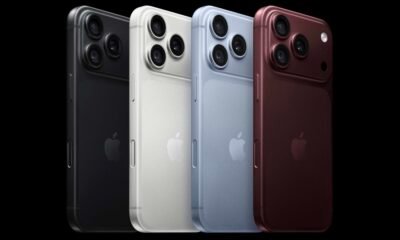
Just eight days after becoming CEO, Apple is expected to hold its major September product event on September 9, potentially putting a new generation of iPhones and the company’s long-rumored foldable iPhone directly under the spotlight.
Who Is John Ternus?
Unlike Tim Cook, whose reputation was built largely on operations, supply chains, and Apple’s business machine, John Ternus is an engineer.
He joined Apple in 2001 and rose through the company’s hardware organization before becoming senior vice president of Hardware Engineering in 2021. His responsibilities have included major hardware categories such as the iPhone, iPad, Mac and Apple Watch.
Apple’s board has unanimously approved the succession following years of planning, and Cook has described Ternus as a brilliant engineer and thinker with an obsessive attention to detail.
That background could signal a significant shift in Apple’s priorities.
Apple’s AI Problem Is Waiting
John Ternus inherits a company whose biggest strategic headache may not be hardware.
Apple was an early mainstream player in voice assistants with Siri, but the explosion of generative AI has dramatically changed the competitive landscape. Google, OpenAI, and Microsoft have moved aggressively into AI assistants, agents, and generative technologies, while Apple’s more ambitious Siri upgrades have faced delays.
The pressure on Ternus will be enormous.
Apple’s traditional advantage has been the seamless integration of hardware, software, and services. If increasingly powerful AI experiences depend too heavily on outside technology, Apple risks surrendering part of that advantage.
The new CEO therefore faces a fundamental question: Can Apple build an AI ecosystem that matches the iPhone’s impact?
The Foldable iPhone Gamble
Then there is the product that could define John Ternus’ opening chapter.
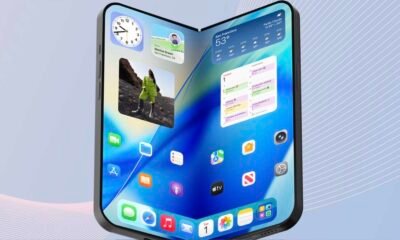
Apple is widely expected to introduce its first foldable iPhone, although the company has not officially confirmed the device. Reports have suggested a premium handset that could open into a display approaching the size of an iPad mini.
Samsung and other manufacturers have spent years establishing the foldable smartphone market. Apple has watched from the sidelines.
Now, the company may finally be ready to enter.
For Ternus, the timing could be extraordinary. His first major Apple event as CEO could feature a completely new iPhone form factor, giving him an immediate opportunity to show that Apple can still create products capable of reshaping a market.
Cook’s China Legacy Becomes Ternus’ Problem
Ternus also inherits one of Apple’s most complicated challenges: its global supply chain.
Tim Cook helped transform Apple’s manufacturing and supplier network into one of the world’s most sophisticated production systems, with China playing a crucial role. But rising geopolitical tensions, tariffs, export restrictions and Apple’s efforts to diversify manufacturing create new risks.
Moving production away from China isn’t simply a matter of opening factories elsewhere. Apple’s supply chain depends on an enormous ecosystem of suppliers, specialized manufacturing capabilities, tooling and skilled workers.
Ternus must reduce geopolitical exposure without destroying the efficiency that helped make Apple enormously profitable.
Can Ternus Make Apple Exciting Again?
Perhaps the biggest question is whether Apple can surprise consumers again.
The company’s mythology was built around products such as the Mac, iPod, iPhone, iPad, AirPods and Apple Watch. In recent years, Apple’s strategy has increasingly emphasized refining established categories.
Ternus now has an opportunity to change that perception.
A foldable iPhone would be an obvious start. But the bigger challenge is creating Apple’s next transformational product while simultaneously rebuilding its AI strategy.
September 9 Could Change Everything
The timing is almost too perfect.
September 1: Tim Cook exits the CEO role.
September 9: John Ternus could face the world for his first major Apple product launch as chief executive.
And if Apple unveils its long-awaited foldable iPhone, Ternus won’t simply be presenting another product.
He’ll be presenting his vision of Apple’s future.
Cook inherited an Apple still shaped by Steve Jobs and the iPhone’s explosive rise. Ternus inherits a mature technology giant that needs to prove it can still invent the future.
Apple’s next chapter begins tomorrow. Nine days later, the world may get its first real clue about what John Ternus plans to do with it.









































Pingback: Apple iPhone 18 Pro and Pro Max are here, Massive Upgrade?