




Trump Presidency
Iran Intelligence Chief Killed in US-Israeli Strikes as Trump Warns of ‘Hell’

Iran has confirmed that Majid Khademi, intelligence chief for the Islamic Revolutionary Guard Corps (IRGC), was killed in recent US-Israeli airstrikes. The development marks a significant escalation in the ongoing conflict, which has already seen multiple high-ranking Iranian military and political figures targeted since late February.
Majid Khademi was reportedly considered a key figure in Iran’s strategic military operations and was accused by Israeli officials of involvement in actions against Israeli interests. His death is likely to deepen hostilities and complicate any prospects for de-escalation.
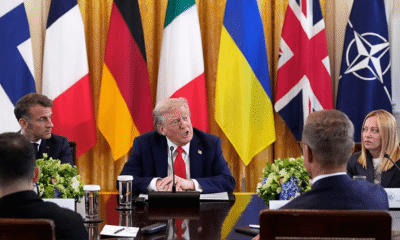
Trump’s Easter Outburst Sparks Global Backlash Amid Iran Tensions
Strikes Target Critical Infrastructure
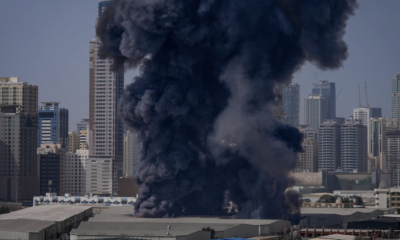
In a parallel development, Israel’s Defence Minister, Israel Katz, confirmed that Israeli forces struck major petrochemical facilities in Iran, including a key site in Asaluyeh. According to official statements, these facilities account for a substantial share of Iran’s petrochemical exports.
The strikes reportedly rendered two major plants non-operational, significantly impacting Iran’s economic infrastructure. Iranian media outlets also confirmed attacks on multiple petrochemical companies, underscoring the scale and precision of the operation.
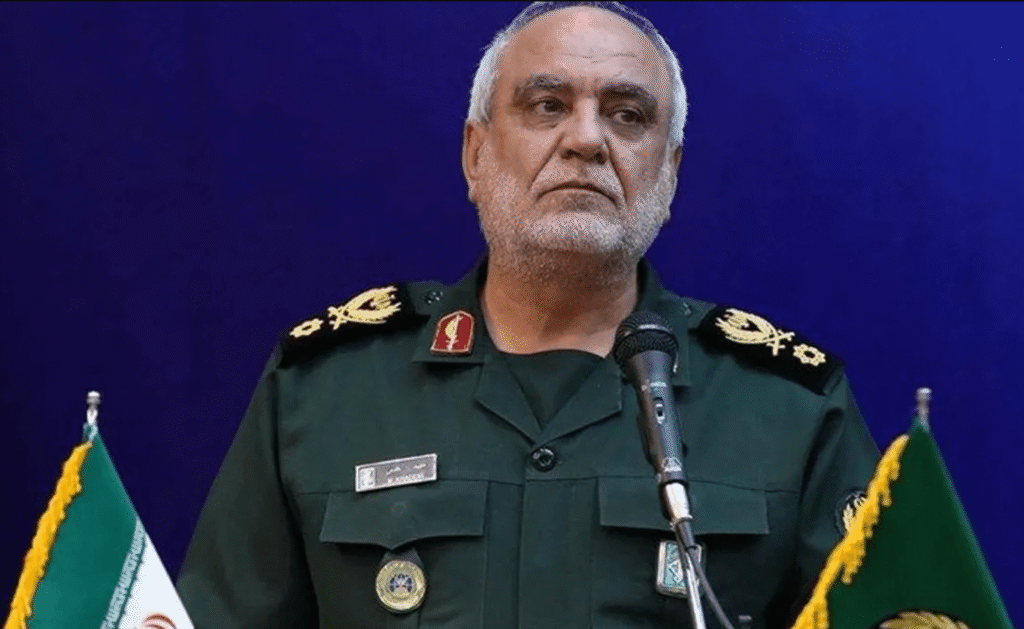
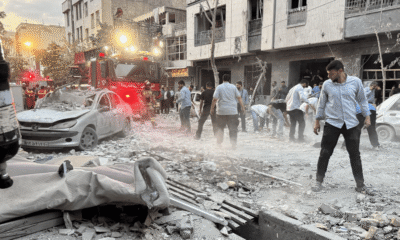
Iran Intelligence Chief Majid Khademi Killed in US-Israeli Strikes
Trump Issues Stark Warning to Tehran
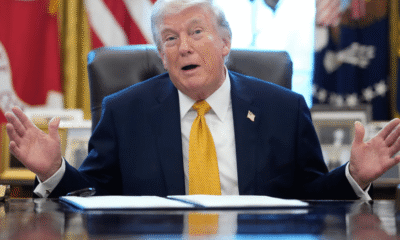
Amid the intensifying conflict, Donald Trump issued a strong warning to Iran, threatening severe consequences if Tehran does not comply with demands to reopen the strategically vital Strait of Hormuz.
In a fiery statement, Trump warned of potential strikes on Iranian power plants and bridges, signaling a willingness to escalate military action further. His remarks have heightened global concerns about the possibility of a broader regional conflict.
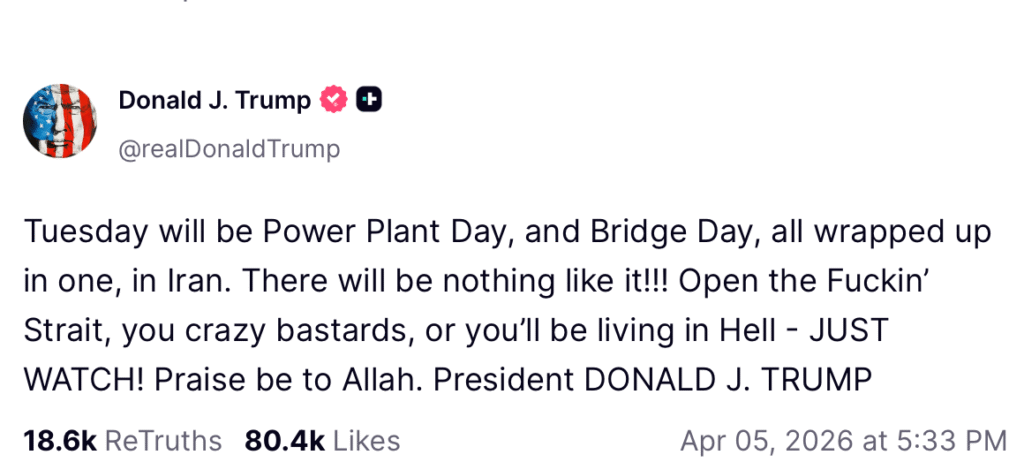
Trump’s profanity-laced rant on Truth Social over the Iran War
Iran Vows ‘Devastating’ Retaliation
Iranian officials have responded with equally strong rhetoric, warning of a “devastating and widespread” offensive if attacks on civilian infrastructure continue. The Iranian navy has also indicated that the Strait of Hormuz, one of the world’s most critical oil transit routes, may not return to normal operations anytime soon.
The threat to the strait has raised alarms in global energy markets, as any prolonged disruption could impact oil supply chains and drive up prices worldwide.
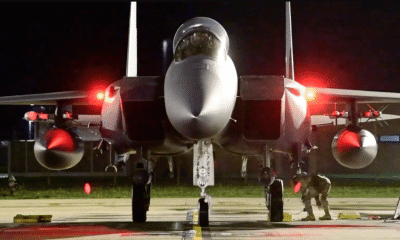
Multiple US Jets Shot Down by Iran as Conflict Enters Dangerous Phase
Civilian and Strategic Targets Under Fire
The conflict has expanded beyond military installations, with reports of strikes hitting civilian infrastructure, including a leading university in Tehran. International leaders, including European officials, have condemned attacks on civilian facilities, calling them violations of international law.
Meanwhile, Iran has accused the United States of using military operations as a cover for broader strategic objectives, including alleged attempts to access sensitive nuclear materials.
With both sides escalating rhetoric and military actions, the risk of a wider Middle East conflict is increasing. Iran’s warnings of a new “Persian Gulf order” and its continued missile strikes signal a prolonged confrontation that could draw in additional regional and global powers.
As tensions rise, diplomatic efforts appear increasingly strained, leaving the international community closely watching for any signs of de-escalation or further escalation.