


FIFA World Cup
European Lawmakers Demand Probe Into FIFA President Gianni Infantino Over World Cup Red Card Controversy
A fresh controversy has engulfed FIFA after members of the European Parliament called for an investigation into FIFA President Gianni Infantino over the unprecedented reversal of Folarin Balogun’s World Cup suspension.
The move follows FIFA’s decision to overturn Balogun’s automatic one-match ban after he received a red card during the United States’ victory over Bosnia and Herzegovina earlier in the tournament, a ruling that has sparked accusations of political interference and unequal application of football’s disciplinary rules.
Unprecedented Decision Raises Questions
Folarin Balogun, one of the United States’ leading scorers during the tournament, was expected to miss the knockout-stage clash against Belgium after being sent off on July 1.
Under FIFA regulations, a direct red card typically results in an automatic suspension for the following match. However, FIFA’s disciplinary committee later rescinded the suspension, allowing Balogun to feature against Belgium.
The decision marked the first known instance during a modern FIFA World Cup in which a player escaped the standard suspension following a tournament red card.
Although Balogun returned to action, the United States was defeated 4-1 by Belgium and exited the competition.
European Parliament Seeks Formal Review
The controversy has prompted several European lawmakers to launch an initiative seeking greater transparency from FIFA.
Members of Parliament, including Barry Andrews, Lara Wolters, and Niels Fuglsang, are urging European football associations to request an independent review of the disciplinary process.
According to the lawmakers, the objective is to determine whether external political influence played any role in FIFA’s decision-making.
They argue that football’s credibility depends on consistent enforcement of disciplinary rules, regardless of a player’s profile or nationality.
Trump’s Involvement Draws Attention
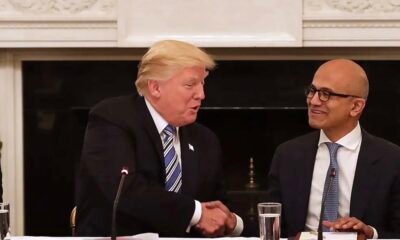
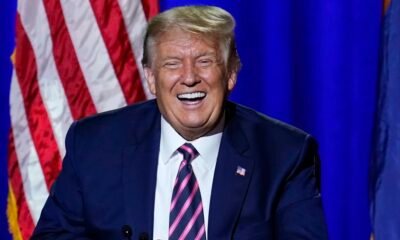
The scrutiny intensified after Donald Trump acknowledged speaking with Infantino about Balogun’s red card. Trump described the dismissal as unfair and said he believed both teams should have their strongest available players for an important knockout match.
While the U.S. president stated that he did not instruct FIFA to overturn the suspension, he confirmed raising the matter with Infantino.
The timing of FIFA’s subsequent decision has fueled speculation among critics, despite no evidence being presented that political pressure directly influenced the disciplinary committee.
UEFA Criticizes FIFA’s Ruling
European football governing body UEFA also expressed concern over the decision.
UEFA described the suspension reversal as unprecedented and questioned the consistency of FIFA’s disciplinary procedures.
The criticism has added pressure on FIFA, which has increasingly faced calls for stronger governance standards and greater institutional independence.
Infantino Defends FIFA’s Independence
Gianni Infantino has rejected allegations that political considerations affected the disciplinary outcome.
According to the FIFA president, the organization’s judicial bodies operate independently and make decisions without interference from FIFA’s executive leadership.
He maintained that FIFA’s governance framework separates administrative leadership from disciplinary processes and insisted that this principle remains intact.
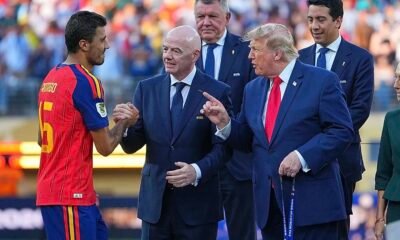
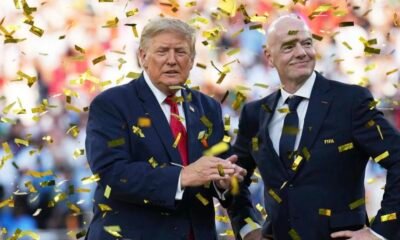
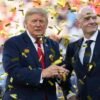
Infantino has maintained a visible relationship with Trump in recent years, including appearances at football-related events and ceremonial presentations, a connection that has attracted renewed attention amid the latest controversy.
Governance Debate Intensifies
The Folarin Balogun case has reignited broader discussions about transparency and accountability within international football administration.
Sports governance experts note that public confidence in governing bodies depends heavily on clear, impartial disciplinary procedures that are consistently applied across all competitions.
While no formal investigation has yet been launched by FIFA itself, the growing political pressure from European lawmakers could increase calls for an independent review of how the decision was reached.
For now, the debate extends far beyond the football pitch, placing FIFA’s governance practices under another intense international spotlight.


























Pingback: FIFA's Gianni Infantino Opens Door to 64-Team 2030 World Cup
Pingback: UEFA Draws Red Line for FIFA : ‘The World Cup Is Not for Sale’
Pingback: FIFA's Gianni Infantino Faces New Legal Threat as UEFA Pursues
Pingback: World Cup Fallout: Gianni Infantino On Independent FIFA Review