





Formula 1
F1 Drivers Demand Urgent Action After Oliver Bearman’s ‘Scary’ Crash at Japanese Grand Prix
With the Miami Grand Prix approaching, all eyes are on the FIA and Formula 1 stakeholders to deliver meaningful changes. Drivers have made it clear that action is needed, not just for competitive fairness, but for safety.

Formula 1 drivers and team leaders are calling for immediate regulatory changes following a dramatic crash involving Oliver Bearman at the Japanese GP.
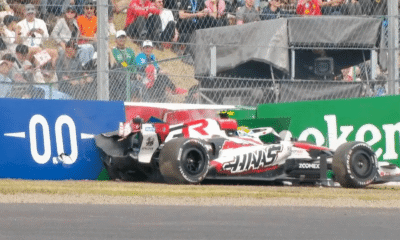
The incident, described by Oliver Bearman as “scary,” occurred at Suzuka when his Haas car slammed into the barriers at nearly 190mph, registering a massive 50G impact. Fortunately, the young driver escaped with only minor injuries, but the crash has triggered widespread concern across the paddock.
What Caused the Crash?
The accident was the result of a dangerous speed differential between cars, an issue many had predicted under Formula 1’s new 2026 regulations.
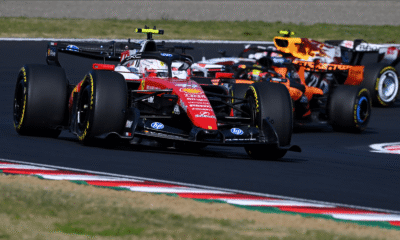
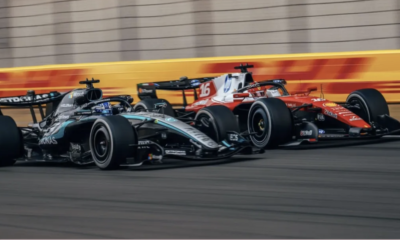
Oliver Bearman was traveling at high speed while deploying additional electrical energy, while Franco Colapinto, ahead, was moving significantly slower due to energy recovery. The closing speed between the two cars created a critical situation, forcing Bearman to swerve off track to avoid a direct collision.
This mismatch in speed, caused by energy management systems, is now at the center of safety debates within the sport.
Drivers and Teams Voice Alarm
Prominent figures in Formula 1 have made it clear that the risks associated with these regulations can no longer be ignored.
Carlos Sainz emphasized that drivers had already warned about such scenarios before the season began. Carlos Sainz pointed out that similar incidents on street circuits like Baku or Singapore could have far more severe consequences due to limited runoff areas.
Team principals have echoed these concerns. Haas boss Ayao Komatsu called Oliver Bearman’s escape “lucky,” while McLaren’s Andrea Stella insisted that safety must now become the sport’s top priority.
View this post on Instagram
FIA Under Pressure to Act
The governing body, FIA, has acknowledged the seriousness of the situation and confirmed that meetings will take place ahead of the Miami Grand Prix to review the regulations.
Key areas under scrutiny include energy deployment systems and how they contribute to unpredictable speed differences between cars. Experts suggest that potential solutions could involve reducing battery deployment or increasing reliance on traditional engine power.
However, implementing changes mid-season presents challenges, as teams have varying technical setups and competitive interests.
The crash highlights a growing tension in Formula 1 between technological innovation and driver safety. While the new regulations aim to improve efficiency and sustainability, they have introduced complexities that can compromise racing conditions.
Drivers argue that the current system forces them into unnatural driving patterns, increasing the likelihood of dangerous situations.
View this post on Instagram
Race Overshadowed by Safety Debate
While Kimi Antonelli claimed victory at the Japanese GP and became the youngest championship leader in history, the spotlight quickly shifted to safety concerns following Bearman’s crash.
The incident has become a defining moment in the 2026 season, raising questions about whether the sport has struck the right balance between innovation and risk.
With the Miami Grand Prix approaching, all eyes are on the FIA and Formula 1 stakeholders to deliver meaningful changes. Drivers have made it clear that action is needed, not just for competitive fairness, but for safety.
As the sport evolves, this incident serves as a stark reminder: speed may define Formula 1, but safety must always come first.