



News
Total Lunar Eclipse 2026: Blood Moon to Dazzle Over 3 Billion Skywatchers Tonight

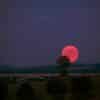
A spectacular total lunar eclipse will transform tonight’s full moon into a glowing blood moon, offering one of the most dramatic skywatching events of the year. Visible to more than 40% of the world’s population, this celestial show will be the last total lunar eclipse until New Year’s Eve 2028–2029.
If you’re in North America, Australia, New Zealand, or eastern Asia, weather permitting, you’re in a prime position to witness this rare astronomical event.
What Is a Blood Moon?
A blood moon occurs during a total lunar eclipse, when the Earth moves directly between the sun and the moon. As sunlight passes through Earth’s atmosphere, shorter blue wavelengths scatter, allowing red and orange hues to bend toward the moon’s surface. The result? A deep copper or crimson glow that gives the moon its dramatic nickname.
Unlike a solar eclipse, a lunar eclipse is completely safe to view with the naked eye. No special glasses or filters are required — just clear skies and good timing.
When to Watch the Total Lunar Eclipse
For U.S. skywatchers, the peak of totality will occur at 6:33 a.m. EST (1133 GMT) on March 3, when the moon sits in the deepest part of Earth’s shadow.
Here’s a general timeline for viewers in the Eastern Time Zone:
-
Partial eclipse begins: 4:50 a.m. EST
-
Totality begins: 6:04 a.m. EST
-
Peak totality: 6:33 a.m. EST
-
Totality duration: Approximately 58 minutes
During the partial phase, Earth’s shadow will appear to take gradual “bites” out of the moon — like watching the lunar phases unfold in fast-forward. Once totality begins, the moon will glow red for nearly an hour before slowly returning to its normal brightness.
Best Places to See the Blood Moon
The western half of North America, Australia, and the Pacific regions will enjoy the best views. Skywatchers in the eastern United States may catch totality just before moonset, so finding a clear western horizon will be essential.
According to astronomical tracking data, over 3 billion people worldwide will have access to at least part of the eclipse.
For those facing cloudy skies, observatories such as Griffith Observatory are expected to provide livestream coverage of the event.
View this post on Instagram
Viewing Tips for the Perfect Lunar Eclipse Experience
-
Check the weather forecast: Cloud cover could block visibility, so consider a backup viewing location.
-
Arrive early: Watching from the partial phase enhances the overall experience.
-
Choose a clear horizon: Especially important for viewers in eastern time zones, where the moon may set during totality.
-
Bring binoculars: While not necessary, they can enhance details and color variations.
Why This Eclipse Matters
Total lunar eclipses don’t happen every month. While partial eclipses are more common, full totality events visible to such a large portion of the globe are rarer. This particular blood moon is especially notable because it’s the last one until the end of 2028.
Astronomy enthusiasts and casual observers alike won’t want to miss this cosmic spectacle. Set your alarm, grab a blanket, and step outside — tonight’s sky promises a breathtaking reminder of the beauty of orbital mechanics in motion.