








Cryptocurrency
Crypto ATMs Near 40,000 in 2025—but Their Rapid Rise Sparks a Global Crackdown

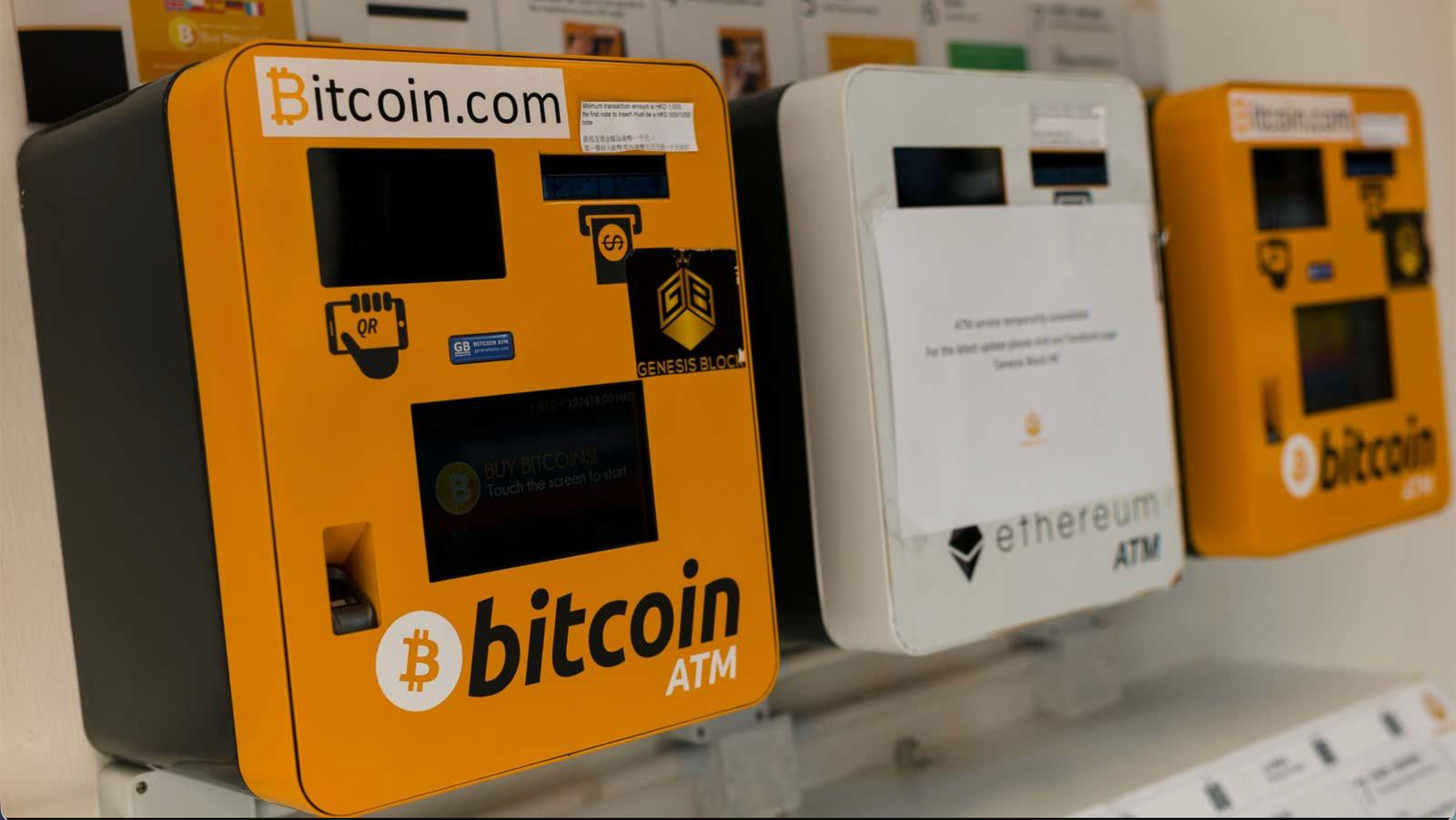
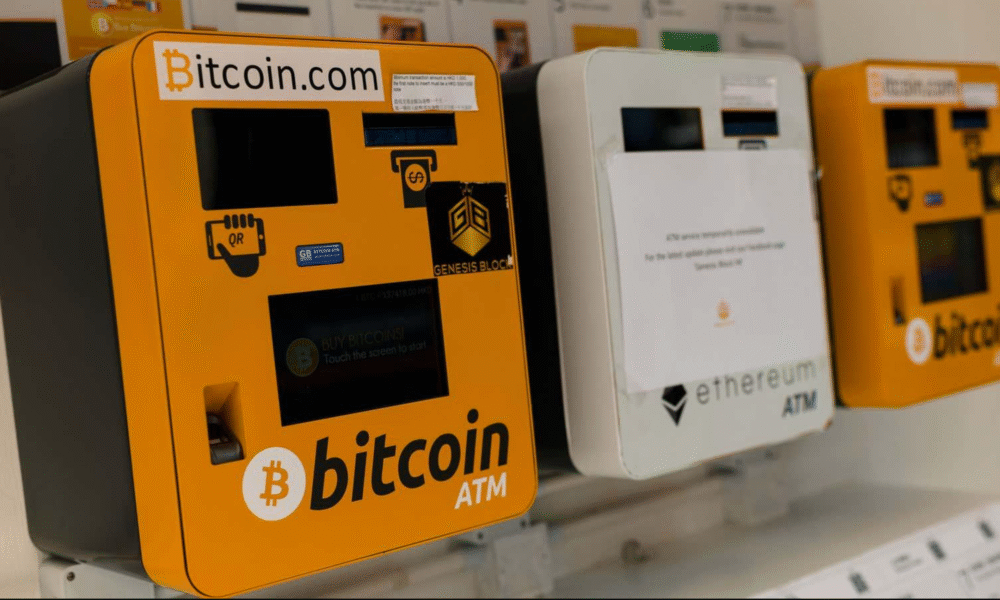
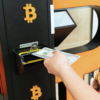
Crypto ATMs—kiosks that convert cash into bitcoin and other digital assets—are having a paradoxical 2025. The global network is racing toward 40,000 machines, yet regulators across the U.S., Europe, the UK, Australia and New Zealand are cracking down harder than ever. While analysts predict a multi-billion-dollar market by 2030, governments warn that the machines have become a magnet for scams, money laundering and elderly exploitation.
A Fast-Growing Market—Driven by Cash Users and the Underbanked
As of Q3 2025, the world had more than 39,000 crypto ATMs, with the U.S. alone accounting for over 30,000. Installations are accelerating at nearly seven new machines per day. Market research firms like Grand View Research and Fortune Business Insights forecast explosive growth, estimating the industry could reach between $5 billion and $7.5 billion by early next decade.
Much of this demand for Crypto ATMs comes from cash-only workers, migrants, and first-time users who find kiosks simpler than traditional crypto exchanges. Surveys from major operators show 74% of users made their first crypto purchase at a kiosk.
But the Fraud Crisis Is Impossible to Ignore
The dark side of crypto ATMs has erupted into mainstream politics. According to U.S. federal data:
Over 10,900 fraud complaints involving crypto ATMs were reported in 2024.
Losses exceeded $246 million, disproportionately impacting adults over 60.
In Washington, D.C., a lawsuit alleges 93% of deposits into one operator’s machines were tied to scams.
A Missouri county recently revealed that 156 residents lost $3 million over 2 years to fake “sheriff warrant” scams that directed victims to Bitcoin kiosks.
Regulators Respond: Bans, Caps, and Criminal Cases
United States
FinCEN’s August 2025 notice demands bank-grade AML systems, dedicated suspicious-activity reporting, and strict KYC. States are imposing transaction caps, mandatory warnings, and even refund rights. Cities like St. Paul have moved to ban crypto ATMs entirely.
Europe and the UK
The EU’s MiCA framework effectively ends anonymous crypto purchases, forcing operators to verify identities even for small transactions. The UK has gone further—declaring all crypto ATMs illegal and jailing operators of unlicensed kiosks.
Australia & New Zealand
Australia now enforces A$5,000 daily limits, enhanced due diligence, and strict warnings. New Zealand chose the nuclear option: a nationwide ban after machines ballooned from zero to more than 150 in a year.
What 2026 Will Bring
Analysts foresee two opposing trends:
Market growth as crypto adoption rises.
Shrinking operator numbers as compliance costs soar.
Some jurisdictions may follow the UK and New Zealand toward outright prohibition, while others allow tightly regulated, bank-integrated ATM networks.
Crypto ATMs are no longer niche gadgets—they’re a flashpoint between innovation and fraud prevention. Whether they become a normalized, highly regulated on-ramp to digital finance or disappear under legal pressure will define the next chapter of cryptocurrency adoption.









































Pingback: Bitcoin ATM Scams Surge as Cities Move to Ban Crypto Kiosks