

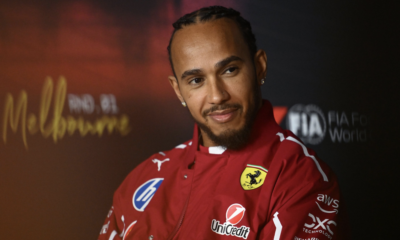

Australian GP
F1’s “Mario Kart” Era? Drivers Clash Over Controversial 2026 Rules After Australian GP

The opening race of the 2026 Formula One season has ignited fierce debate among drivers, teams, and fans after controversial new technical rules dramatically changed how races unfold. Following the Australian Grand Prix in Melbourne, opinions across the grid were sharply divided. Some drivers praised the new F1 rules system for adding strategic depth, while others warned it makes racing feel artificial — with one star comparing it to a power-up in the popular Mario Kart series.
The debate has intensified as teams analyze the first real-world test of Formula 1’s most radical rule changes in decades.
What Changed in Formula 1’s 2026 Rules?
For the 2026 season, Formula 1 introduced sweeping changes to rules with both car design and engine technology.
Cars are now lighter, narrower, and produce less aerodynamic downforce — changes that many drivers say have made them more agile on track. But the biggest transformation is under the hood.
The new power units generate about 750 kilowatts, with nearly half of that coming from electrical energy. Drivers must now carefully manage battery power during races, deciding when to deploy maximum performance and when to recharge.
At circuits like Albert Park Circuit, where braking zones are limited, batteries drain quickly. Drivers must lift off the throttle or alter their driving style to regenerate energy.
The result is a radically different racing strategy compared with previous seasons.
“Like the Mushroom in Mario Kart”
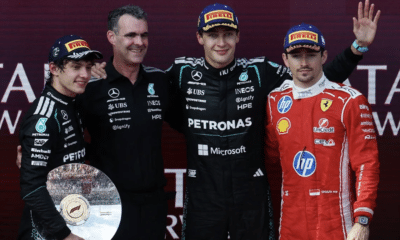
One of the most memorable moments of the race came when Charles Leclerc described the new boost feature during his battle with George Russell, who eventually won the race.
Leclerc compared the instant power surge to a boost item in Mario Kart — a comparison that quickly went viral among fans.
The system allows drivers to briefly unleash the full output of the power unit to attack or defend against rivals. But once the battery is depleted, the driver must recharge, often losing speed on straights.
This led to multiple lead changes in the early laps of the Australian Grand Prix and created a tactical chess match rarely seen in previous seasons.
Drivers Divided Over “Artificial” Racing
Despite the exciting moments, several drivers criticized the new style of racing.
Defending champion Lando Norris warned the system could create dangerous speed differences between cars.
He argued that drivers might experience closing speeds of up to 50 km/h, raising the risk of serious accidents.
Four-time champion Max Verstappen also voiced frustration, saying the unpredictable power deployment made racing feel unnatural and less enjoyable.
Other drivers echoed the sentiment, describing the constant energy management as “frustrating” and claiming it takes away from pure driving skill.
Not Everyone Hates the New Era
However, not all reactions were negative.
Seven-time world champion Lewis Hamilton praised the racing, saying the new Formula 1 rules produced exciting battles and required drivers to think more strategically.
Team leaders also urged patience, arguing that one race is not enough to judge the new regulations.
They point out that Melbourne is one of the worst tracks for energy recovery, meaning the issues seen in Australia may not be representative of the rest of the season.
Safety Concerns Remain
The biggest concern moving forward may not be entertainment but safety.
Several drivers reported large speed differences between cars when batteries were depleted. Teams have warned that this could create dangerous situations during pack racing.
Formula 1 officials say they will closely monitor the situation over the next few races before considering rule changes.
For now, the sport enters its new era amid controversy — and plenty of unanswered questions.