

Trump Presidency
Middle East Crisis: Trump Excludes Lebanon From Ceasefire as Israel Launches Massive Strikes

U.S. President Donald Trump has clarified that Lebanon is not included in the recently announced two-week ceasefire agreement between the United States and Iran.
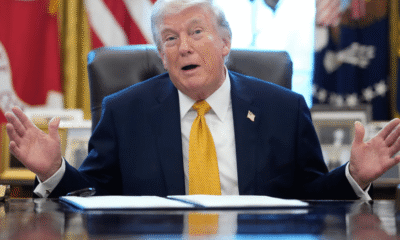
Speaking to the media, Trump described the ongoing conflict between Israel and Lebanon as a “separate skirmish,” attributing the exclusion to the involvement of Hezbollah. He indicated that the situation in Lebanon would be addressed independently, even as efforts continue to stabilize tensions with Iran.
The remarks have raised concerns about a widening regional conflict despite the fragile truce elsewhere.
Israel Launches Massive Strikes Across Lebanon
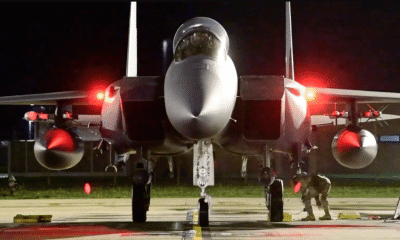
The escalation comes as Israel, led by Prime Minister Benjamin Netanyahu, carried out one of the largest waves of airstrikes in Lebanon since the conflict began.
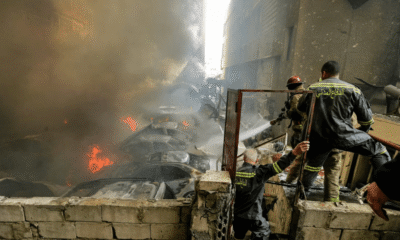
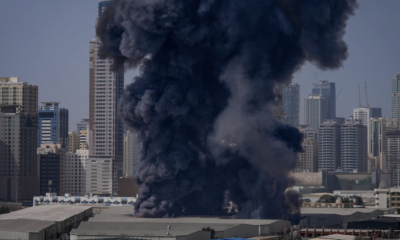
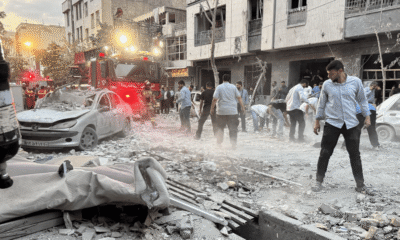
Israeli forces reportedly targeted over 100 sites linked to Hezbollah within minutes, striking areas including Beirut’s southern suburbs, southern Lebanon, and the Bekaa Valley. The offensive has resulted in significant casualties, with reports of civilians affected and infrastructure severely damaged.
Lebanese Prime Minister Nawaf Salam accused Israel of targeting densely populated civilian areas, calling the attacks a violation of international law.
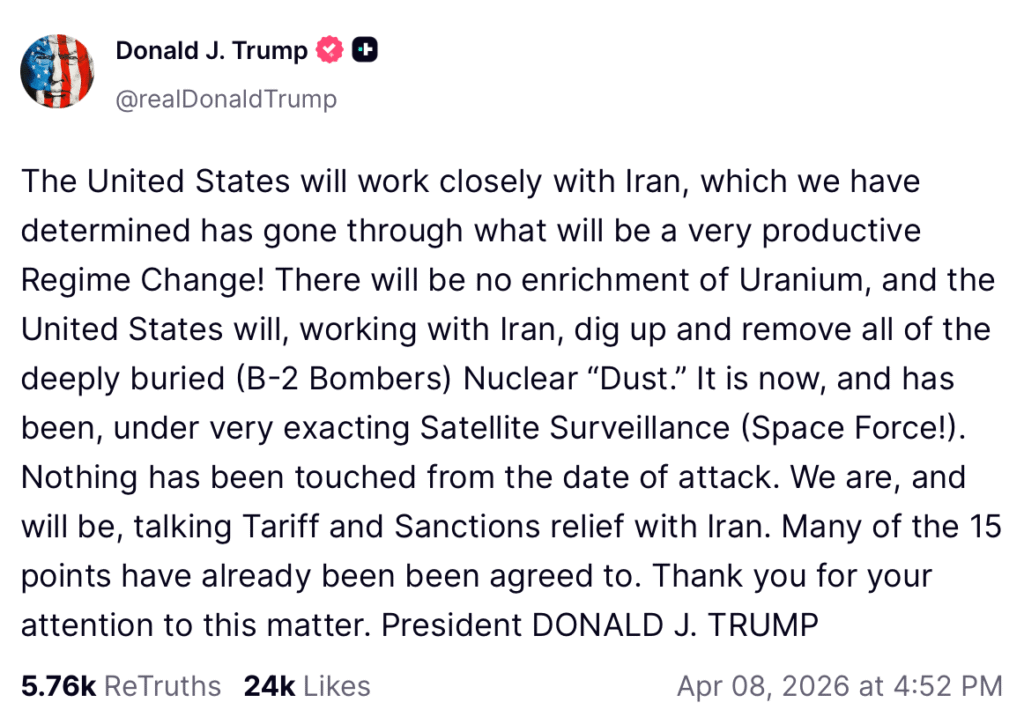
Trump on Truth Social
Humanitarian Crisis Worsens
The renewed strikes have intensified Lebanon’s already severe humanitarian crisis. Over a million people have reportedly been displaced, with hospitals overwhelmed and emergency services struggling to respond.
Entire neighborhoods have been reduced to rubble, while rescue operations continue amid ongoing bombardment. Authorities have issued urgent appeals for civilians to clear roads to allow ambulances to reach affected areas.
The conflict has also heightened fears of long-term instability, with many displaced families uncertain about when—or if—they can return home.
Tensions Rise Across the Region
The broader Middle East remains on edge despite the Iran ceasefire. Iran has issued warnings regarding the Strait of Hormuz, threatening vessels attempting to pass without authorization, raising concerns about global oil supply disruptions.
Meanwhile, U.S. Vice President JD Vance described the ceasefire as a “fragile truce,” urging Iran to engage in negotiations in good faith.
U.S. Defense Secretary Pete Hegseth stated that military objectives against Iran had largely been achieved but warned that operations could resume if necessary.
Global Reactions and Protests
International reactions have been swift, with calls for de-escalation coming from world leaders and organizations. Protests have erupted in countries like Japan, where citizens have urged their government to avoid involvement in the conflict.
The situation has also sparked diplomatic efforts, with countries such as Pakistan and Oman pushing for broader peace talks that could include Lebanon.
While the ceasefire between the U.S. and Iran offers a temporary pause in one part of the conflict, the exclusion of Lebanon underscores the complexity of the crisis.
Analysts warn that continued hostilities between Israel and Hezbollah could derail broader peace efforts and risk pulling more regional actors into the conflict.
As the situation evolves, the Middle East remains in a precarious state, caught between fragile diplomacy and ongoing military escalation.