




BAFTA Awards
Jamie Foxx Challenges BAFTA Narrative as 2026 Awards Controversy Sparks Global Debate
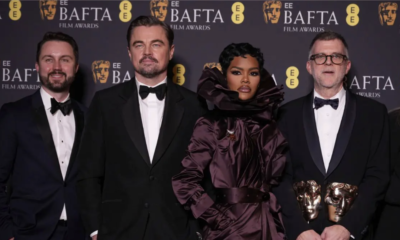
The 2026 BAFTA Film Awards are now being defined less by cinematic triumphs and more by a controversy that has sparked an international debate on disability, race, media responsibility, and accountability. At the center of the storm is Scottish Tourette’s campaigner John Davidson, whose vocal tic during the ceremony ignited headlines worldwide.
But it was Oscar-winning Jamie Foxx who escalated the conversation, publicly challenging the official explanation surrounding the incident.
What Happened at the 2026 BAFTA Film Awards?
The incident unfolded during the live broadcast of the BAFTA Film Awards at London’s Royal Festival Hall. Davidson, attending as the real-life inspiration behind the nominated biopic I Swear, has lived with Tourette’s syndrome since childhood. His condition includes coprolalia, a symptom that can cause involuntary swearing.
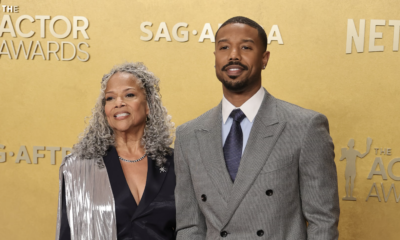
During the ceremony, John Davidson shouted several profanities that were audible in the auditorium. However, controversy erupted when a racial slur was reportedly heard while actors Michael B. Jordan and Delroy Lindo were presenting on stage.
The moment created visible tension, prompting immediate backlash online and raising questions about broadcast safeguards.
Official Response: “Involuntary and Not Intentional”
Both BAFTA and the BBC issued statements asserting that the outburst stemmed from involuntary verbal tics associated with Tourette’s syndrome. Host Alan Cumming addressed viewers directly, explaining that Tourette’s is a neurological disorder and emphasizing that the language was not intentional.
Medical experts generally support this position, noting that coprolalia often involves taboo or socially forbidden words, not because of personal beliefs, but due to neurological misfiring. Advocacy groups stressed the importance of avoiding stigma and understanding the realities of Tourette’s syndrome.
Yet the explanation did little to quiet critics.
View this post on Instagram
Jamie Foxx’s Intervention Changes the Narrative
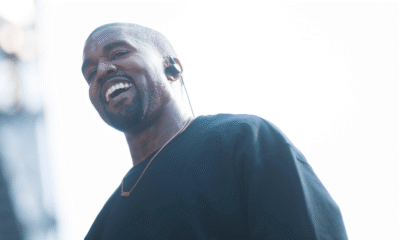
Jamie Foxx entered the debate through social media, describing the incident as “unacceptable” and questioning whether the timing suggested something more deliberate. His comments quickly went viral, reframing the discussion from one centered purely on medical context to one focused on accountability and racial sensitivity.
Jamie Foxx’s stance reflects a broader sentiment circulating online: even if a vocal outburst is involuntary, can its timing and impact be ignored? For many, the issue transcends neurology and enters the realm of lived experience and racial trauma.
The controversy has since evolved into what commentators describe as a “collision of rights” — balancing disability inclusion with the need to protect individuals from racially harmful language.
Broadcast Controversy: Why Was It Aired?
Adding fuel to the debate is the BBC’s decision to allow the language to air during a delayed broadcast. The BAFTA ceremony traditionally runs on tape delay specifically to edit unexpected moments. Critics argue that while Davidson may not control his tics, broadcasters control what reaches millions of viewers.
Media watchdogs and disability advocates alike have questioned whether better editorial safeguards could have prevented the wider fallout.
Representation, Accountability, and Industry Reflection
Ironically, the biopic I Swear, starring Robert Aramayo, aims to humanize the daily challenges faced by individuals with Tourette’s syndrome. Instead, the awards night shifted the spotlight from representation to controversy.
The 2026 BAFTAs now serve as a case study in live television risk management, disability awareness in film, and evolving public expectations around racial accountability.
As the debate continues, the entertainment industry faces difficult questions: How should broadcasters prepare for unpredictable moments? Where does empathy end and responsibility begin? And in an era of instant viral reactions, can context ever move as quickly as outrage?
One thing is certain — the BAFTA 2026 controversy will linger far beyond awards season.