






Cryptocurrency
Crypto Kiosks Face Growing Regulatory Heat as Bitcoin ATM Scams Surge
According to new data from the FBI’s Internet Crime Complaint Center (IC3), Americans lost more than $333 million in 2025 to scams involving cryptocurrency kiosks—a sharp year-over-year increase.

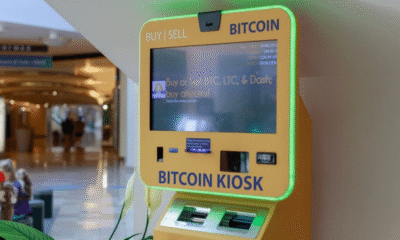
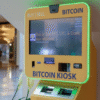
Cryptocurrency kiosks, commonly known as bitcoin ATMs, are facing mounting scrutiny across the United States as scams tied to the machines reach alarming levels. While the technology was designed to make digital currency more accessible, lawmakers and consumer advocates now question whether crypto kiosks are enabling fraud—or simply being misused by criminals.
How Bitcoin ATM Scams Work
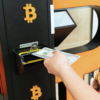
The scam script is often chillingly similar. Victims, frequently older adults, receive urgent phone calls from people posing as federal agents, bank officials, or fraud investigators. The caller claims there is a warrant, tax issue, or compromised bank account and insists the only way to resolve it is to deposit cash into a nearby crypto kiosk.
Once the money is sent, it’s gone. Cryptocurrency transactions are largely irreversible, leaving victims with little recourse once they realize they’ve been deceived.
According to new data from the FBI’s Internet Crime Complaint Center (IC3), Americans lost more than $333 million in 2025 to scams involving cryptocurrency kiosks—a sharp year-over-year increase. Seniors remain among the most vulnerable, often unfamiliar with how digital currency works or why legitimate authorities would never request payment this way.
Cities Move to Ban Crypto ATMs
The surge in fraud has prompted several cities to take aggressive action. In Spokane, Washington, city officials voted unanimously in mid-2025 to ban crypto kiosks outright, citing rising consumer harm. St. Paul, Minnesota, followed months later, arguing that scams tied to the machines disproportionately affect seniors and lower-income residents.
States Choose Regulation Over Prohibition
At the state level, however, lawmakers are largely opting for regulation rather than outright bans. Bills introduced in at least 15 states would require crypto kiosk operators to register with authorities, display scam warnings, limit daily transactions, and offer refunds under certain fraud conditions.
Some states have already enacted safeguards such as transaction caps for new users and mandatory disclosures warning that law enforcement agencies never request crypto payments.
Are the Kiosks Really the Problem?
Industry experts caution that banning crypto kiosks may miss the bigger picture. Fraudsters, they argue, simply migrate to other channels such as wire transfers or gift cards.
Indeed, federal data shows that hundreds of millions of dollars are lost annually through gift card and wire transfer scams.
Rather than bans, experts point to solutions such as enhanced identity checks, cooling-off periods, transaction delays, and real-time warnings embedded directly into kiosk interfaces. Requiring brief educational prompts before high-value transactions could significantly reduce panic-driven losses.
As crypto adoption continues, the debate over bitcoin ATMs highlights a broader challenge: how to protect consumers without stifling access to emerging financial technology.