







News
Friendly Fire Shock: Kuwait Mistakenly Shoots Down 3 U.S. F-15 Jets Amid Iran Conflict

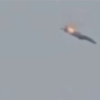
Three US F-15 fighter jets were mistakenly shot down by Kuwaiti air defenses during active combat operations, according to a statement from United States Central Command (CENTCOM).
The incident occurred amid escalating hostilities involving Iran, as regional airspace remained highly contested by aircraft, ballistic missiles, and drones. CENTCOM described the event as an apparent friendly-fire incident during ongoing military operations.
All six crew members aboard the aircraft successfully ejected and were recovered safely. Officials confirmed they are in stable condition.
How the US-Israel War on Iran Could Transform Gulf Security Forever
Kuwait Acknowledges Incident, Investigation Underway
Kuwaiti authorities have acknowledged the incident, and a joint investigation is now underway to determine how allied air defenses mistakenly engaged US Fighter Jets.
The US fighter jets were operating in support of regional security operations when they were struck. The fast-moving, complex nature of the air conflict has increased the risk of misidentification, particularly as aircraft and defensive systems from multiple nations operate simultaneously in the same airspace.
Military analysts note that modern air defense systems rely heavily on radar identification and electronic signals. In high-intensity combat scenarios, split-second decisions can lead to tragic errors.
View this post on Instagram
Escalating Tensions in the Gulf
The incident comes amid heightened tensions across the Gulf following recent strikes involving Iran, the United States, and Israel. Iranian retaliatory actions have included missile launches and drone attacks targeting military facilities and infrastructure across neighboring states.
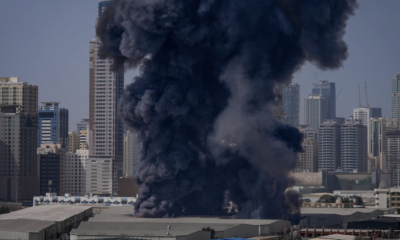
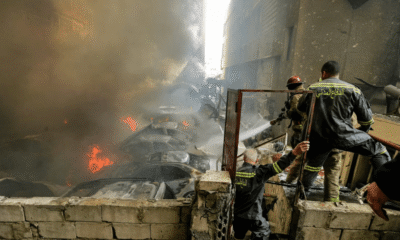
Earlier on Monday, smoke was reportedly seen near the U.S. Embassy compound in Kuwait City, prompting emergency response vehicles to rush to the area. While officials have not confirmed damage at the embassy, the U.S. mission issued a security alert warning American citizens of continued missile and drone threats.
Residents were advised to shelter in place, remain on lower floors away from windows, and avoid unnecessary travel.
Meanwhile, falling debris from aerial interceptions reportedly injured two workers at the Mina Al-Ahmadi refinery. Authorities described the injuries as minor.
Regional Airspace Under Strain
The Gulf region’s skies have become increasingly volatile. Witnesses reported loud explosions in parts of Kuwait, while neighboring cities across the region have also experienced heightened security alerts.
Air traffic patterns across the Middle East have been disrupted, with commercial aircraft rerouting to avoid potentially dangerous airspace. Aviation and defense experts warn that sustained military exchanges could further complicate both civilian and military flight operations.
The friendly-fire episode underscores the broader challenges of coalition warfare, where allied forces must coordinate in real time under extreme pressure.
A Critical Moment for Military Coordination
While no fatalities occurred in the US fighter jet incident, the downing of three advanced fighter aircraft represents a significant operational setback and a stark reminder of the fog of war.
Defense officials emphasize that investigations will focus on command-and-control procedures, radar identification protocols, and communication channels between allied forces.
As tensions remain high in the region, military planners face the dual challenge of countering external threats while preventing further unintended incidents among coalition partners.
For now, the safe recovery of all six crew members stands as a rare bright spot in an increasingly complex and dangerous conflict environment.