



Hip Hop/ Rap
Michael Eric Dyson Calls Out Kendrick Lamar Over Drake Diss
At the heart of Michael Eric Dyson’s critique is the assertion that “Not Like Us” promotes an “us versus them” framework. He compared this framing to rhetoric used by Donald Trump, particularly around immigration and belonging.

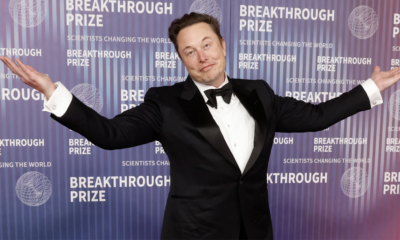
Two years after Kendrick Lamar released his Grammy-winning diss track “Not Like Us,” prominent academic and author Michael Eric Dyson is challenging the song’s cultural implications.
Appearing on the podcast Mohr Stories, Dyson reflected on the high-profile rap feud between Kendrick Lamar and Drake, arguing that the track’s underlying message goes beyond music rivalry. While praising both artists as “brilliant” and “ingenious,” Dyson questioned whether Kendrick Lamar’s lyrical attacks crossed into problematic territory by challenging Drake’s Black identity.
The controversy highlights broader conversations about race, authenticity in hip-hop, and the evolving definition of Blackness in global music culture.
More Than Just Rap Beef?
At the heart of Michael Eric Dyson’s critique is the assertion that “Not Like Us” promotes an “us versus them” framework. He compared this framing to rhetoric used by Donald Trump, particularly around immigration and belonging.
Dyson suggested that Kendrick Lamar’s portrayal of Drake as “not like us” echoed exclusionary language that separates communities into insiders and outsiders. According to Dyson, the theme of revoking someone’s cultural legitimacy mirrors broader political narratives centered on identity and gatekeeping.
The comparison sparked debate online, with fans divided over whether Dyson’s argument fairly interprets Lamar’s intent or overextends a metaphor rooted in competitive hip-hop tradition.
The Question of Black Identity in Hip-Hop
Michael Eric Dyson further argued that questioning Drake’s Blackness risks reducing identity to geography. Kendrick Lamar, a Compton native, has often emphasized West Coast roots and cultural authenticity. But Dyson warned against narrowing Black identity to a single American experience.
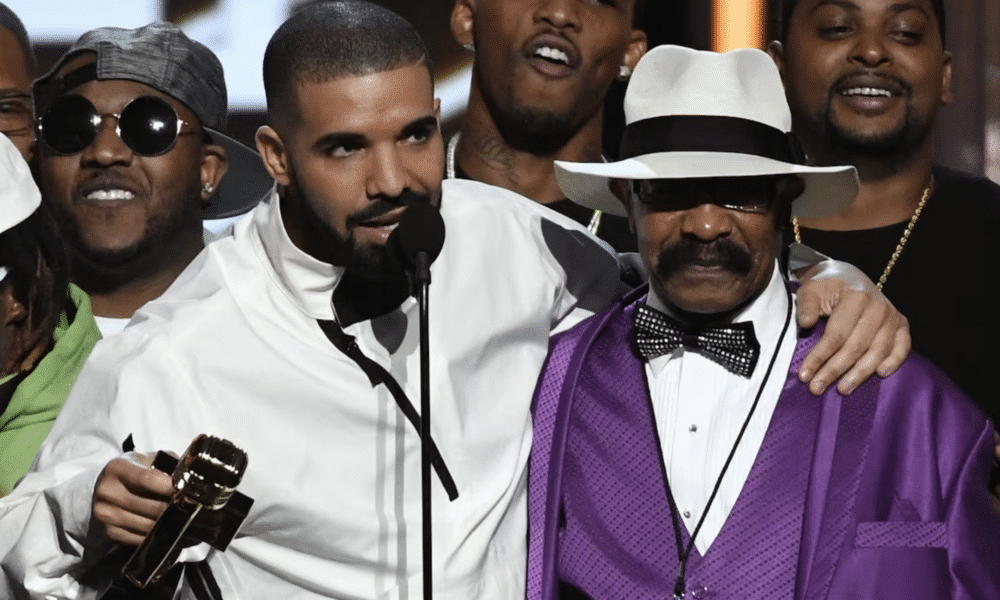
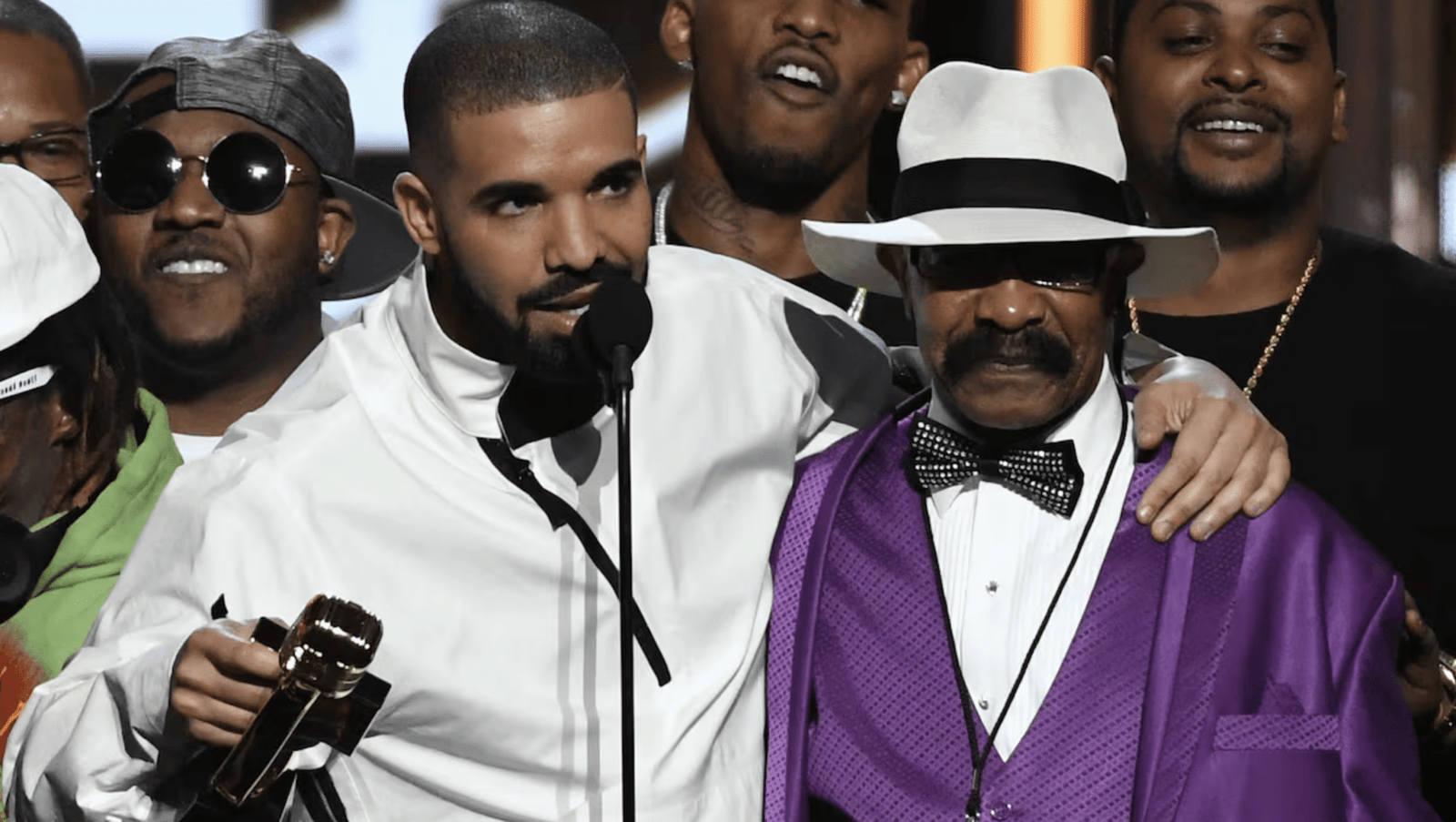
Drake, born in Toronto to a Black father from Memphis and a Jewish Canadian mother, has frequently referenced his Southern heritage in his music. Dyson pointed to Drake’s family lineage — including deep ties to Black American musical traditions — as evidence that identity cannot be dismissed based on nationality or style.
The debate underscores a longstanding tension in hip-hop: Who defines authenticity? And can commercial success coexist with cultural credibility?
View this post on Instagram
Super Bowl Spotlight and Cultural Impact
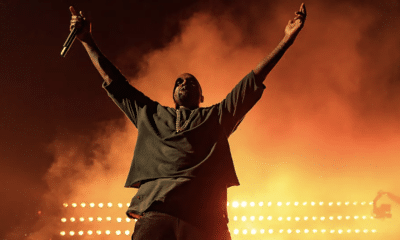
Dyson also referenced Kendrick Lamar’s high-profile Super Bowl halftime performance last year, arguing that the song’s message reached an even wider audience during a politically charged moment. For critics like Dyson, the scale of that platform amplified the broader implications of the lyrics.
Supporters of Kendrick Lamar, however, argue that diss tracks are foundational to rap culture, where exaggeration, satire, and pointed critique are part of artistic competition. In that context, “Not Like Us” can be viewed as lyrical theater rather than literal commentary on race.
A Debate That Won’t Fade
As hip-hop continues to dominate global music, conversations about race, diaspora, and authenticity remain central to its evolution. Dyson’s remarks reignite discussion about the cultural weight artists carry — especially when rivalries intersect with identity politics.
Whether viewed as a necessary critique or overanalysis, the renewed debate proves one thing: the Kendrick Lamar vs. Drake rivalry still resonates, long after the charts have moved on.