



Electric Vehicle
Tesla Scraps Model S and Model X in Strategic Pivot

Tesla has officially ended production of two of its most iconic vehicles, the Model S sedan and Model X SUV, marking a dramatic shift in the company’s long-term strategy. CEO Elon Musk announced the decision during an earnings call, saying the factory space currently used for the premium EVs will instead be dedicated to building humanoid robots.
The move comes as Tesla grapples with declining profits, falling vehicle sales, and intensifying competition in the global electric vehicle market.
A Turning Point for Tesla’s Car Business
The Model S and Model X played a crucial role in Tesla’s rise from a niche startup to a global automotive powerhouse. But today, they account for just 3% of Tesla’s global deliveries, limiting the immediate impact on sales. Production is expected to wind down next quarter at the Fremont, California, facility.
Elon Musk suggested that traditional car manufacturing may soon become secondary to Tesla’s future, with artificial intelligence, robotics, and autonomous vehicles taking center stage.
Robots and Robotaxis Take Priority
Instead of luxury EVs, the Fremont plant will be retooled to produce Optimus, Tesla’s humanoid robot. Musk has described Optimus as potentially “the biggest product of all time,” predicting it could eventually surpass Tesla’s vehicle business in scale and value.
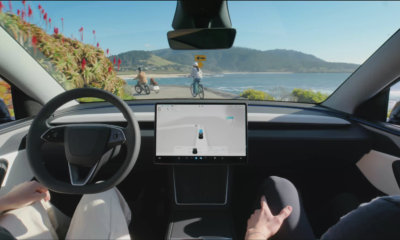
At the same time, Tesla is betting heavily on its robotaxi vision, including the Cybercab, a two-seat, fully autonomous vehicle without pedals or a steering wheel. Elon Musk claims robotaxis could ultimately outsell all other Tesla vehicles combined, even though the service currently operates in limited markets with human safety monitors.
As we shift to an autonomous future, Model S & X production will wind down next quarter.
If you’d like to own one of them, now’s a good time to place your order.
Tesla wouldn’t be what it is today without Model S & X and their (early) owners – thank you for your support over… pic.twitter.com/4J06T1QjVM
— Tesla (@Tesla) January 29, 2026
Financial Pressure Behind the Shift
Tesla’s latest earnings highlight the urgency of its pivot. Adjusted income fell 16% in the final quarter of 2025, while net income plunged 61% for the quarter and 46% for the year. Annual profits are now just 30% of what they were at the company’s 2022 peak.
Vehicle deliveries dropped sharply, marking Tesla’s biggest year-over-year decline ever. The company also lost its title as the world’s largest EV maker to China’s BYD, which has gained ground by offering more affordable electric cars.
Stock Market Optimism Meets Reality
Despite weak automotive performance, Tesla’s stock has been buoyed by enthusiasm for AI and robotics. Shares surged to record highs in December following Musk’s bold predictions about robotaxis and robots, though prices have since cooled.
Tesla says it plans to expand its robotaxi service to seven additional markets in the first half of the year, on top of the two it currently serves. Musk reiterated his belief that up to half of the U.S. population could have access to fully autonomous vehicles by the end of 2026, pending regulatory approval.
Tesla Profits Plunge Over Elon Musk’s DOGE Role And Political Backlash
A High-Stakes Bet on the Future
Tesla has also revealed a $2 billion investment in xAI, Musk’s artificial intelligence company, underscoring how closely Tesla’s future is now tied to AI-driven projects. Critics argue these technologies remain unproven and years away from profitability, while supporters see them as the next industrial revolution.
By ending the Tesla Model S and Model X, Tesla is closing a defining chapter of its history—and betting that robots, not cars, will define its next one.
























Pingback: China Bans Tesla Style Hidden Door Handles Over EV Accidents