





News
The Sun Unleashes One of Its Most Powerful Solar Flares in Years

The sun has erupted with one of its most intense solar flares in decades, marking a dramatic surge in solar activity that scientists say could have visible and technological effects on Earth in the coming days.
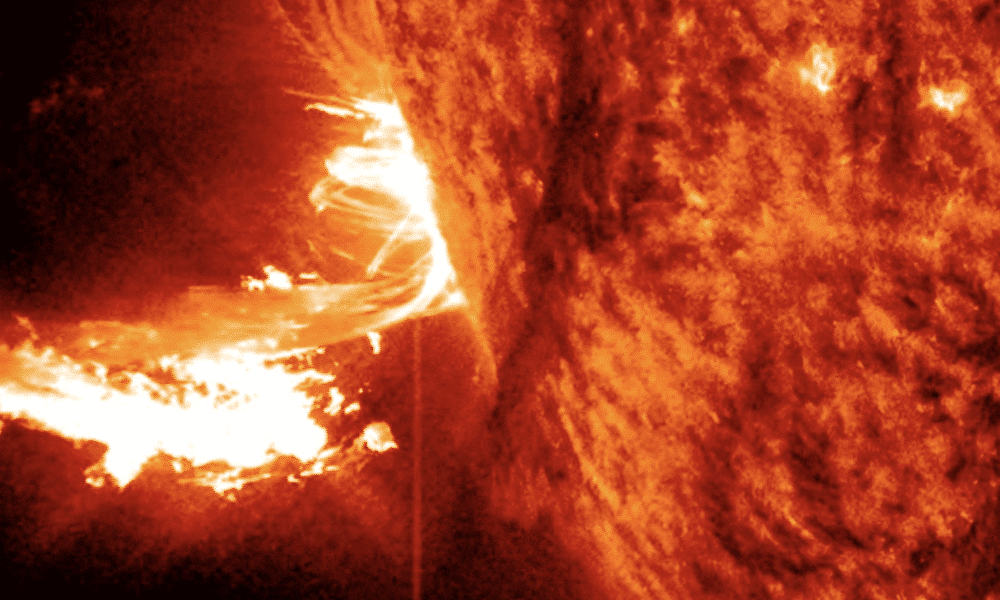
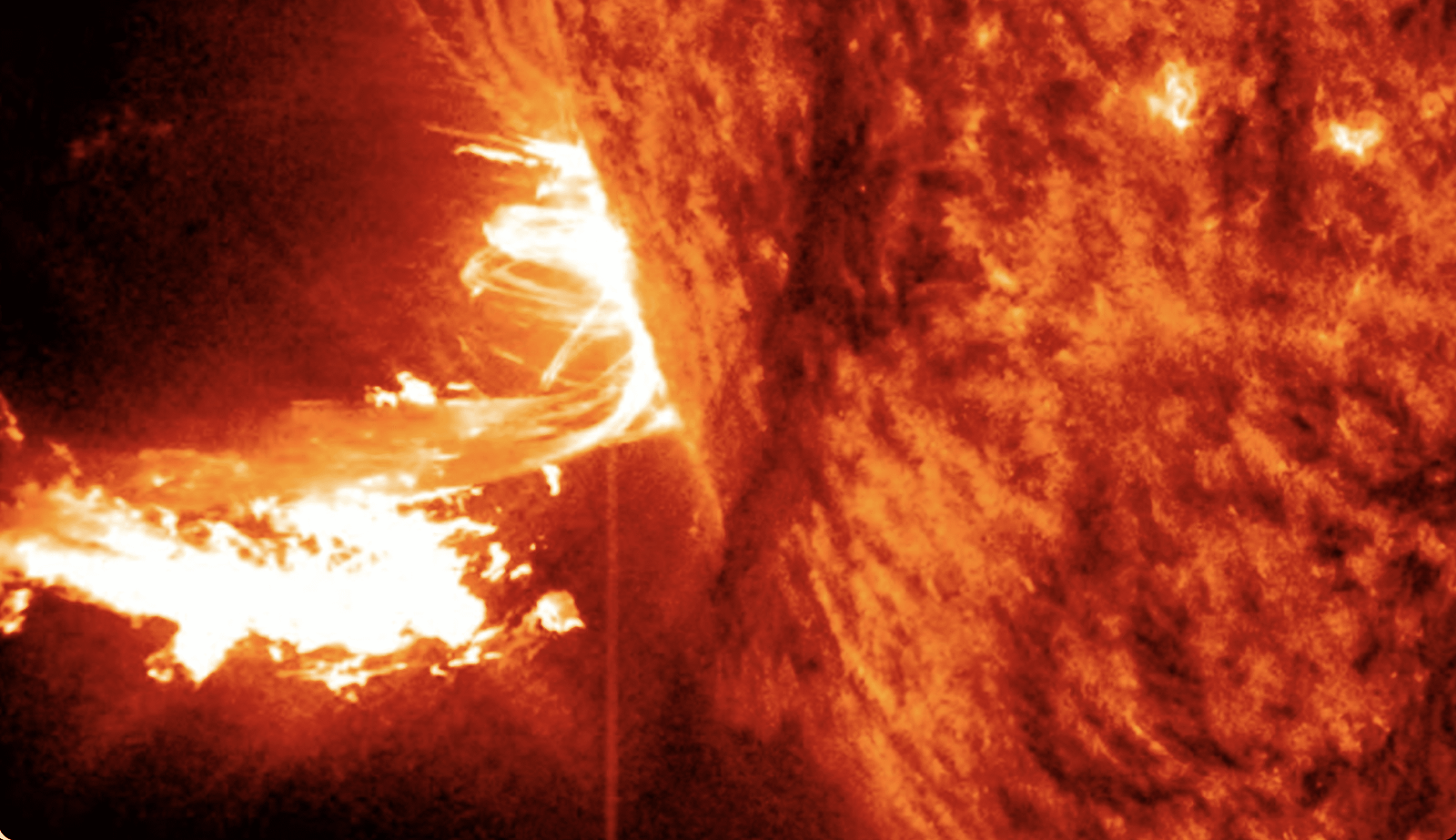
On February 2, astronomers recorded multiple X-class solar flares, the strongest category of solar eruptions. The most powerful of these events reached an intensity above X8, placing it among the brightest flares observed since the mid-1990s and making it the most energetic solar outburst in more than a year.
What Is a Solar Flare?
Solar flares occur when the sun’s tangled magnetic fields suddenly snap and realign, releasing enormous amounts of energy. These explosions send radiation and charged particles racing through space at nearly the speed of light.
While flares themselves do not physically strike Earth, they are often associated with coronal mass ejections (CMEs)—massive clouds of energized plasma that can collide with Earth’s magnetic field days later.
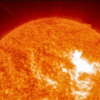
NASA’s Solar Dynamics Observatory captured the recent eruptions as brilliant flashes bursting from a rapidly growing sunspot region, highlighting just how volatile the sun’s surface can be.
Why This Solar Storm Matters
According to space weather forecasters, some of the charged material expelled during the flares may brush past Earth later this week. If conditions align, this interaction could trigger geomagnetic disturbances, disrupting radio communications, satellite operations, and GPS signals.
On the brighter side, the storm could also produce vivid aurora borealis displays. Northern lights may be visible farther south than usual, potentially reaching parts of the northern United States and Europe.
The National Oceanic and Atmospheric Administration’s Space Weather Prediction Center is closely monitoring the sunspot responsible for the eruptions, warning that further flares are still possible.
The Sun’s Active Phase Isn’t Over Yet
These dramatic eruptions are part of a broader period of heightened solar activity. The sun follows an 11-year solar cycle, alternating between calm and stormy phases. While scientists believe the sun has passed the absolute peak of its current cycle, intense flares can still occur during the decline.
Recent weeks have seen a sharp increase in sunspot activity, suggesting the sun remains highly energized. Researchers say this turbulent phase could continue through 2026, keeping space weather forecasters on alert.
Sun Unleashes Strongest Solar Flare of 2025, Triggering Radio Blackouts Across Africa and Europe
Why Scientists Are Watching Closely
Understanding solar storms is increasingly important in a technology-dependent world. Powerful solar events can damage satellites, disrupt power grids, and interfere with global communications.
Ongoing missions, including NASA’s Parker Solar Probe, are helping scientists better understand how solar eruptions form and how they travel through space—improving forecasts and reducing potential risks on Earth.
For now, scientists advise watching the skies. If conditions are right, the sun’s latest outburst could turn into a rare and spectacular natural light show.