







News
Trump Confirms Heated Call With Netanyahu but Says Alliance Remains Strong

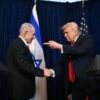
Donald Trump has confirmed reports that he used strong language during a recent phone call with Israeli Prime Minister Benjamin Netanyahu, while emphasizing that the two leaders continue to maintain a productive working relationship amid ongoing regional tensions.
Speaking during an interview on the podcast Pod Force One, Trump acknowledged that he referred to Netanyahu as “f—ing crazy” during a discussion focused on military developments involving Lebanon. However, he stressed that the exchange did not damage the broader partnership between Washington and Jerusalem.
Trump Explains Frustration Over Regional Conflict
According to Trump, his frustration stemmed from concerns that continued fighting between Israel and Hezbollah could complicate broader diplomatic efforts in the Middle East. “I was a little bit perturbed,” Trump said during the interview, explaining that escalating hostilities risked affecting ongoing negotiations involving Iran and regional security.
Despite the sharp language, Trump described his relationship with Netanyahu as positive and longstanding. “We’ve worked very well together. I like Bibi a lot, and I work very well with him,” Trump said.
Trump characterized their dynamic as one between leaders managing countries during periods of conflict. “I’m a wartime president. He’s a wartime prime minister,” he added.
Peace Talks and Regional Stability Remain Key Priorities
The reported disagreement comes as diplomatic efforts continue to reduce tensions across the region.
Trump indicated that he remains optimistic about the possibility of progress in discussions involving Iran, expressing confidence that negotiations could eventually lead to greater regional stability.
The president suggested that ongoing talks are evolving rapidly and maintained that preventing nuclear proliferation remains a central objective of US foreign policy.
While acknowledging challenges and setbacks, Trump projected confidence that diplomatic breakthroughs could occur in the near future.
Markets and Energy Concerns in Focus
The geopolitical tensions have also drawn attention from global markets, particularly regarding energy supplies and oil prices.
Trump pointed to market resilience despite concerns that regional instability could trigger significant increases in energy costs. He argued that economic indicators continue to demonstrate strength even amid uncertainty.
Analysts have closely monitored developments affecting strategic shipping routes and global energy infrastructure, as any prolonged disruption could have implications for international trade and fuel prices.
Political Reactions and Public Debate
Reports of Trump’s language during the call generated significant discussion across political and media circles.
Supporters and critics alike debated both the substance of the conversation and the broader implications for US-Israel relations. Some commentators questioned how details of private diplomatic discussions became public, while others focused on the policy disagreements highlighted by the exchange.
Despite the controversy, Trump emphasized that the relationship between the United States and Israel remains strong and that communication between leaders is often candid during periods of crisis.
As diplomatic efforts continue and regional tensions remain a focal point of international politics, the Trump-Netanyahu relationship will likely remain under scrutiny.
For now, Trump’s comments suggest that while disagreements may arise behind closed doors, both leaders continue to view cooperation as essential to addressing security challenges and pursuing long-term stability in the Middle East.