

AI and Deepfakes
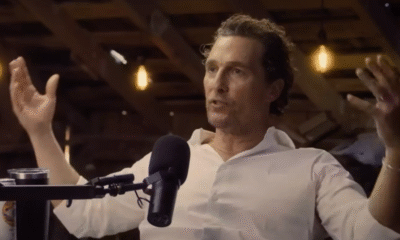
Matthew McConaughey Trademarks Iconic Catchphrase to Block AI Misuse
“My team and I want to know that when my voice or likeness is ever used, it’s because I approved and signed off on it,” Matthew McConaughey said in a statement. “We want to create a clear perimeter around ownership with consent and attribution the norm in an AI world.”
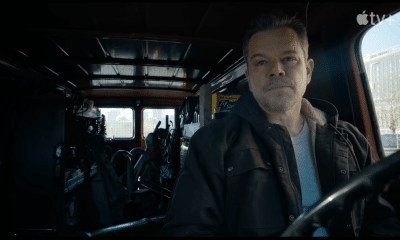
Oscar-winning actor Matthew McConaughey has taken an unprecedented legal step to protect his identity in the age of artificial intelligence. The Dallas Buyers Club star has trademarked his image, voice, and famous catchphrase “alright, alright, alright” in a move designed to prevent unauthorised use by AI platforms and deepfake technologies.
According to reports, multiple audio and video clips associated with McConaughey have now been registered with the United States Patent and Trademark Office (USPTO). Legal experts say this marks the first time an actor has attempted to use trademark law specifically to shield their likeness from AI misuse.
Why McConaughey Is Taking This Step Now
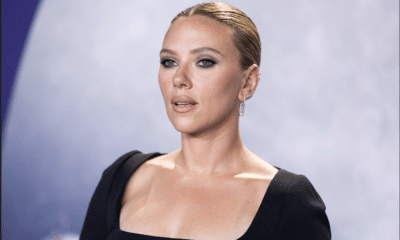
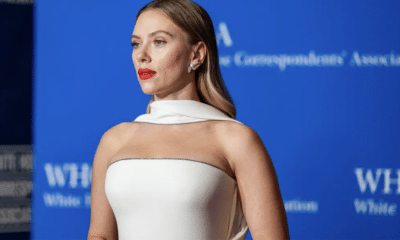
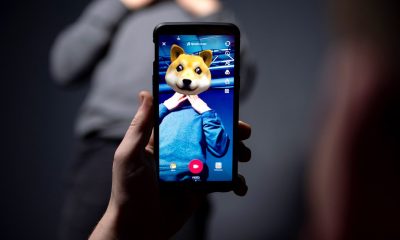
The move comes amid a growing wave of concern across Hollywood over AI-generated content. Celebrities, including Scarlett Johansson and Taylor Swift, have recently been targeted by realistic AI-generated audio, images, and videos—often without consent.
McConaughey’s lawyers say there are currently no confirmed cases of his likeness being misused by AI. However, the trademarks are intended to act as a preventative shield, allowing him to challenge unauthorised reproductions before harm is done.
“My team and I want to know that when my voice or likeness is ever used, it’s because I approved and signed off on it,” Matthew McConaughey said in a statement. “We want to create a clear perimeter around ownership with consent and attribution the norm in an AI world.”
View this post on Instagram
A Legal First for Hollywood
Legal scholars say McConaughey’s approach is groundbreaking. While rights-of-publicity laws already protect celebrities from having their likeness used to sell products, trademark law opens the door to federal lawsuits, even when AI-generated content is not directly commercial.
Alina Trapova, an assistant professor of copyright law at University College London, said celebrities are increasingly experimenting with legal strategies as “unauthorised commercialisation” becomes more difficult to control. “For Hollywood stars, AI misuse is often about reputational harm and missed licensing opportunities,” she explained.
By trademarking specific clips and vocal performances—including his Dazed and Confused catchphrase—McConaughey gains stronger standing to challenge AI-generated imitations.
Not Anti-AI, But Pro-Consent
Despite the bold legal stance, Matthew McConaughey is not opposed to AI technology. He is an investor in ElevenLabs, an AI voice company that has created a licensed AI version of his voice with permission. The actor has also partnered with the company to release a Spanish-language AI narration of his newsletter Lyrics of Livin’.
Experts believe this dual approach—embracing AI while demanding consent—could become a model for other creatives. “It’s easy for companies to train models on someone’s work,” said Dr. Sandra Wachter of Oxford University. “It’s much harder for creators to protect themselves.”
A Sign of What’s Next
With lawsuits mounting against AI firms and governments investigating deepfake abuse, Matthew McConaughey’s trademark strategy may signal a new era of celebrity protection. As generative AI evolves, Hollywood may soon follow his lead—drawing firmer legal boundaries around identity, ownership, and consent.






















Pingback: Scarlett Johansson, Cate Blanchett Lead Revolt Against AI ‘Theft’
Pingback: Timothée Chalamet’s Ballet and Opera Comments Ignite Firestorm