
News
Iran Appoints Mojtaba Khamenei as Supreme Leader as Middle East War Pushes Oil Above $100
The selection of Mojtaba Khamenei has sparked debate in Iran and internationally because the supreme leader’s role has never passed from father to son. The growing conflict has also sent shockwaves through global energy markets. Oil prices climbed above $100 per barrel for the first time since 2022, raising fears of a broader economic impact.

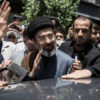
Iran has appointed Mojtaba Khamenei as the country’s new supreme leader following the assassination of his father, Ali Khamenei, during the early stages of the ongoing conflict involving the United States and Israel.
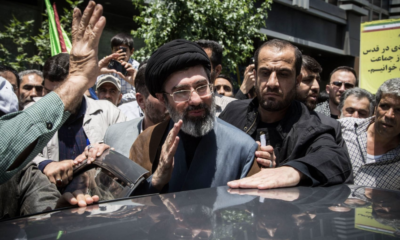
The decision was made by the Assembly of Experts, the powerful clerical council responsible for selecting Iran’s highest authority. Mojtaba Khamenei, a 56-year-old cleric long considered influential behind the scenes, now assumes control over the country’s armed forces and major strategic decisions.
His appointment signals continuity within Iran’s conservative leadership during one of the most turbulent moments in the country’s modern history.
Leadership Transition Raises Questions
The selection of Mojtaba Khamenei has sparked debate in Iran and internationally because the supreme leader’s role has never passed from father to son.
Iran’s Islamic Republic was founded after the Iranian Revolution, which rejected hereditary rule under the shah. Critics argue that appointing the late leader’s son appears to contradict the revolutionary ideals that shaped the country’s political system.
Supporters within the political establishment, however, say Mojtaba Khamenei has years of experience working closely with senior clerics and security officials and is capable of guiding the country through wartime challenges.
The Islamic Revolutionary Guard Corps quickly signaled support for the new leader, reinforcing his authority at a time when military decisions carry enormous weight.
Middle East Conflict Intensifies
The leadership change comes as the conflict between Iran, Israel, and the United States continues to spread across the Middle East.
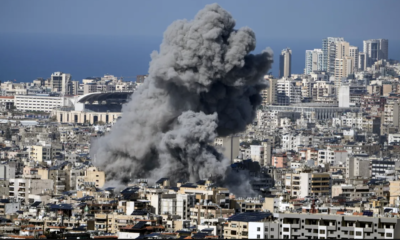
Missile and drone attacks have been reported in several countries, while fighting has also intensified in Lebanon between Israel and the Iran-backed militant group Hezbollah.
Regional tensions have also affected Gulf countries, where energy facilities and strategic infrastructure have become potential targets. Some governments have issued warnings about the risks of further escalation and its impact on regional stability.
International organizations and humanitarian groups have also raised concerns about civilian casualties and the displacement of hundreds of thousands of people in areas affected by the fighting.
Oil Prices Surge Above $100
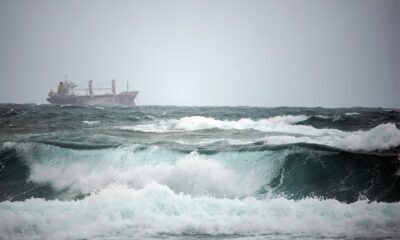
The growing conflict has sent shockwaves through global energy markets. Oil prices climbed above $100 per barrel for the first time since 2022, raising fears of a broader economic impact.
Finance ministers from the Group of Seven countries are reportedly discussing the potential release of emergency oil reserves to stabilize global energy supplies.
Economists warn that sustained high oil prices could trigger inflation, disrupt supply chains, and slow economic growth worldwide.
Energy infrastructure across the Gulf region has already faced disruptions, with some facilities declaring force majeure due to attacks or security concerns.
A Region Facing Uncertainty
The appointment of Mojtaba Khamenei comes at a critical moment for Iran and the wider Middle East.
With war continuing, energy markets fluctuating, and political tensions rising, analysts say the new leader will face immediate pressure to stabilize the country while managing military and diplomatic challenges.
Whether his leadership will intensify the conflict or open the door to negotiations remains unclear.
For now, the Middle East remains on edge as the war enters a new phase under Iran’s new supreme leader.