

Liquor & Spirits
Jim Beam Pauses Production at Its Main Kentucky Distillery
The timing of Jim Beam’s decision coincides with a broader slowdown in alcohol consumption across the U.S. According to Gallup, just 54% of American adults now say they drink alcohol, a figure nearing a 90-year low. Younger consumers in particular are cutting back, driven by wellness trends, rising costs, and a growing preference for low- or no-alcohol alternatives.

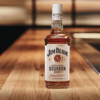
Jim Beam, one of America’s most recognizable bourbon brands, will temporarily pause production at its main distillery in Clermont, Kentucky, beginning January 1, the company confirmed. The move, described as a strategic pause rather than a shutdown, comes as the U.S. spirits industry grapples with shifting consumer habits, falling exports, and mounting global trade pressures.
Owned by a U.S. subsidiary of Japan-based Suntory Holdings, Jim Beam said the production halt will allow the company to invest in site enhancements at its flagship facility. Importantly, the popular James B. Beam campus will remain open to visitors, preserving tourism revenue and brand engagement during the downtime.
Distilling Continues at Other Facilities
Despite the pause at Clermont, Jim Beam emphasized that bourbon production will continue at its Fred B. Noe Craft Distillery in Clermont and the Booker Noe Distillery in Boston, Kentucky. This ensures operational continuity and mitigates concerns over potential supply disruptions.
Industry experts note that such production adjustments are increasingly common as distillers recalibrate output to better align with demand—especially after years of aggressive expansion fueled by the bourbon boom.
Americans Are Drinking Less Alcohol
The timing of Jim Beam’s decision coincides with a broader slowdown in alcohol consumption across the U.S. According to Gallup, just 54% of American adults now say they drink alcohol, a figure nearing a 90-year low. Younger consumers in particular are cutting back, driven by wellness trends, rising costs, and a growing preference for low- or no-alcohol alternatives.
This decline has directly impacted the spirits sector, including bourbon, which had previously enjoyed years of uninterrupted growth.
View this post on Instagram
Tariffs and Export Declines Add Pressure
International trade challenges have further strained the industry. Exports of U.S.-produced spirits fell 9% in the second quarter of 2025, partly due to the lingering effects of tariffs introduced under the Trump administration, according to the Distilled Spirits Council of the United States.
Canada, a major export market, was especially hard hit, with U.S. spirits exports plunging 85% after Canadian retailers removed American products from shelves in retaliation for tariffs. These developments have dampened global demand just as production capacity reached historic highs.
Record Bourbon Stockpiles Ease Supply Fears
While production is slowing, bourbon lovers are unlikely to face shortages anytime soon. Kentucky warehouses currently hold a record 16.1 million barrels of aging bourbon, the highest level since the repeal of Prohibition. The surplus reflects both increased distilling activity over the past decade and a recent dip in consumer demand.
Through August, whiskey distillers produced 28% fewer proof gallons compared to the same period last year, underscoring how quickly the market has cooled.
A Strategic Pause, Not a Crisis
For Jim Beam, the temporary production halt appears less like a warning sign and more like a calculated reset. With ample inventory aging in warehouses and continued production at other sites, the company is positioning itself for a more balanced future—one shaped by cautious optimism rather than unchecked expansion.
As the bourbon industry adjusts to new economic realities, Jim Beam’s move may signal a broader shift toward sustainability, efficiency, and long-term resilience.