


News
Trump Signs Vaccine Executive Order Calling for Changes to Childhood Immunization Schedule
It also renews Trump’s controversial claims about a possible connection between childhood vaccines and autism, despite extensive scientific research finding no evidence that vaccines cause autism.

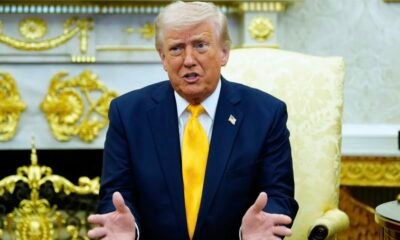
Donald Trump has signed an executive order seeking major changes to how childhood vaccines are recommended in the United States, including a push to separate combination shots and to give some immunizations at different medical visits.
The order, signed Monday, August 10, 2026, represents another major intervention by the Trump administration in federal vaccine policy. It also renews Trump’s controversial claims about a possible connection between childhood vaccines and autism, despite extensive scientific research finding no evidence that vaccines cause autism.
Trump Pushes Separate MMR Vaccines
One of the most significant provisions calls for the development of separate vaccines for measles, mumps and rubella, rather than relying on the combined MMR vaccine.
Trump also backed administering childhood vaccines at separate appointments whenever practical. Supporters of the approach say it could give parents greater flexibility over when children receive individual vaccines.
Public health specialists, however, have warned that requiring additional appointments could create another problem: children may miss follow-up visits and remain unprotected against serious infectious diseases for longer periods.
Studies have generally found that combination vaccines can make it easier for children to complete their recommended immunization schedules because fewer appointments are required.
I’m a doctor. This executive order is wrong. The President does not have the expertise to make these changes.
Vaccines are overwhelmingly safe. Vaccines are effective. Vaccines DO NOT cause autism.
Breaking up vaccines will mean children have to get more shots to get the same… https://t.co/9RoPfVsU8h
— U.S. Senator Bill Cassidy, M.D. (@SenBillCassidy) August 10, 2026
Autism Claims Draw Strong Scientific Pushback
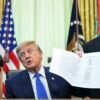
During the signing ceremony, Trump repeatedly suggested that changes in childhood vaccination could help explain the increase in autism diagnoses.
That claim conflicts with the established scientific evidence. Large studies conducted across multiple countries have found no causal relationship between childhood vaccines and autism spectrum disorder.
Republican Sen. Bill Cassidy, a physician and chair of the Senate health committee, also rejected the president’s position.
The Louisiana senator said vaccines are safe and do not cause autism, arguing that vaccine policy should be guided by medical evidence rather than presidential preference.
View this post on Instagram
Who Controls Childhood Vaccine Requirements?
The executive order does not give the White House direct authority to impose vaccination requirements on every child in the country.
States retain significant authority over school vaccination mandates, including rules governing exemptions. The order encourages states to review their policies and consider changes consistent with the administration’s preferred approach.
At the federal level, vaccine recommendations traditionally involve the Centers for Disease Control and Prevention and its leadership.
The administration has already attempted to reshape federal immunization guidance. Those efforts have faced legal challenges, with a federal judge blocking some of the changes.
The latest executive order could therefore trigger another legal and administrative battle over how much authority the president has to influence federal health recommendations.
Kennedy’s Vaccine Overhaul Continues
The announcement also extends Health and Human Services Secretary Robert F. Kennedy Jr.’s broader effort to restructure federal vaccine policy.
Robert F Kennedy, a longtime vaccine critic before joining the administration, previously removed the CDC’s vaccine advisory panel and replaced its members. The changes resulted in more restrictive recommendations and generated significant opposition from medical organizations.
The administration has also increased its focus on autism research, with Kennedy promising further investigation into possible environmental factors behind rising diagnosis rates.
Medical organizations maintain that autism is a complex developmental condition and that vaccination has not been established as a cause.
Measles Risk Raises Concern
The timing of the executive order is particularly significant because U.S. childhood vaccination coverage has declined in recent years, while measles outbreaks have raised concerns among health authorities.
Doctors warn that reducing vaccination coverage can allow highly contagious diseases to spread more easily, particularly among communities with lower immunization rates.
Public health officials are therefore concerned that additional delays between vaccine doses could leave children vulnerable during periods of disease transmission.
The administration argues that its approach will provide parents with greater choice and encourage confidence in vaccines. Critics counter that adding appointments and changing established recommendations could instead increase confusion and reduce vaccination rates.
What Happens Next?
The executive order directs federal agencies to develop plans to change vaccine policy, but its signing does not immediately rewrite every childhood immunization requirement nationwide.
Federal health officials will now face the challenge of implementing the administration’s directives while navigating scientific evidence, existing regulations and potential court challenges.
The debate is likely to intensify as schools reopen, and officials monitor measles and other vaccine-preventable diseases.
For parents, doctors and public health authorities, the central question will be whether the proposed changes increase confidence in childhood vaccination, or create additional barriers to children receiving timely protection.










































Pingback: ‘Decades of Evidence’ WHO Slams Trump Vaccine Executive Order
Pingback: 431 Sick, 57 Hospitalized: US Jalapeño Salmonella Outbreak