



immigration Politics
Bruce Springsteen Releases New Trump Protest Song
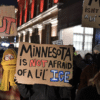
The lyrics paint a grim picture of a city under siege, describing “a city aflame” under the boots of what Springsteen calls “King Trump’s private army.” The song explicitly condemns Immigration and Customs Enforcement (ICE), ending with chants of “ICE Out!”

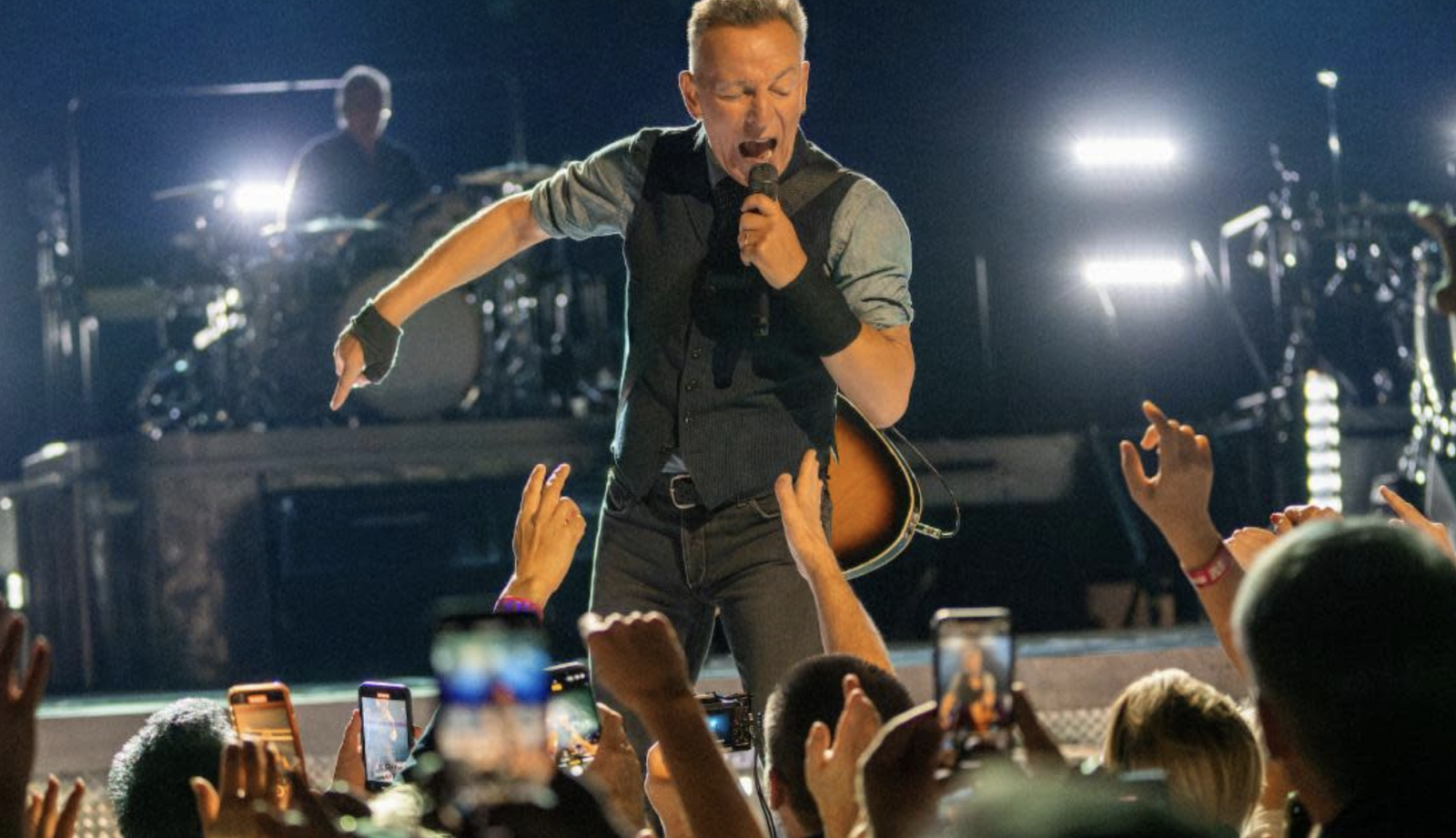
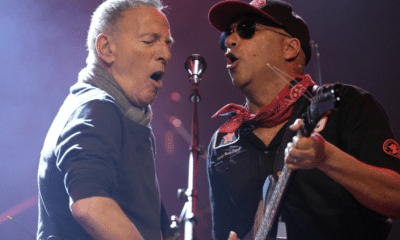
Bruce Springsteen has returned to his roots as a political songwriter with the release of “Streets of Minneapolis,” a pointed protest song criticizing Donald Trump’s immigration enforcement operations in Minnesota. The track, released Wednesday, is dedicated to the people of Minneapolis and to two individuals fatally shot by federal immigration agents earlier this month.
Springsteen said he wrote and recorded the song over a single weekend in response to what he described as escalating violence tied to immigration enforcement in the city.
A Song Born From Crisis
In a statement accompanying the release, Bruce Springsteen said the song was inspired by a second deadly shooting involving federal agents in Minneapolis. He dedicated the track to “our innocent immigrant neighbors” and to the memory of Alex Pretti and Renee Macklin Good, whose deaths have sparked protests and national scrutiny.
The lyrics paint a grim picture of a city under siege, describing “a city aflame” under the boots of what Springsteen calls “King Trump’s private army.” The song explicitly condemns Immigration and Customs Enforcement (ICE), ending with chants of “ICE Out!”
Eddie Vedder Honours Bruce Springsteen With Stirring Tribute After Trump’s Verbal Assault
Sound and Message
Musically, “Streets of Minneapolis” is a slow-burning rock song that begins with acoustic guitar and Bruce Springsteen’s gravelly vocals before building into a fuller band arrangement. A harmonica solo and choir-like backing vocals recall classic E Street Band anthems, reinforcing the song’s emotional weight.
Springsteen’s lyrics directly challenge official accounts of the shootings, referencing eyewitness videos and accusing federal officials of misleading the public. The song positions ordinary citizens armed with phones and cameras against powerful government figures, reinforcing its protest ethos.
Political Fallout and White House Response
The White House quickly dismissed the song. A spokesperson said the administration remains focused on removing “dangerous criminal illegal aliens” and criticized Bruce Springsteen’s song as inaccurate and irrelevant.
The exchange continues a long-running feud between Bruce Springsteen and Donald Trump. The rock icon has been an outspoken critic of Trump’s leadership for years, whileTrump has repeatedly mocked Springsteen personally. Their most recent clash follows Springsteen’s past onstage remarks calling the administration corrupt and unfit to govern.
View this post on Instagram
A Familiar Role for The Boss
“Streets of Minneapolis” echoes Springsteen’s tradition of using music to confront social injustice, from Vietnam-era disillusionment to economic despair and civil rights struggles. Even the title nods to his Oscar-winning song “Streets of Philadelphia,” linking this new release to a legacy of socially conscious storytelling.
For Springsteen, the song is both a memorial and a rallying cry. By placing Minneapolis at the center of his narrative, he once again positions himself as a chronicler of American conflict—using music not just to reflect the moment, but to challenge power and amplify voices he believes are being ignored.
As protests continue and political tensions rise, “Streets of Minneapolis” reinforces why Bruce Springsteen remains one of America’s most influential protest musicians, willing to confront presidents and policy alike with a guitar, a harmonica, and an unflinching point of view.













































Pingback: Bruce Springsteen with Tom Morello On the Streets of Minneapolis
Pingback: Bruce Springsteen Takes Aim With ‘Land of Hope and Dreams’ Tour