


News
Don Lemon Arrested After Minnesota Church Protest, Vows to Fight Charges

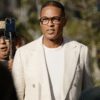
Former CNN journalist Don Lemon has been released without bail following his arrest by the Trump administration in connection with an anti-ICE protest that disrupted a church service in Minnesota, setting off a national debate over press freedom, protest rights, and the limits of the First Amendment.
Don Lemon, an Emmy-winning journalist with more than three decades in the media, was charged alongside eight others after a January protest at Cities Church in St. Paul. The incident occurred on January 18, when demonstrators entered the church chanting “ICE out” and “Justice for Renee Good,” referencing a Minnesota woman killed during a confrontation with an Immigration and Customs Enforcement (ICE) officer.
Federal Charges and Allegations
According to a federal indictment unsealed Friday, Don Lemon and other defendants face two charges: conspiracy against the free exercise of religious rights and attempting to injure or intimidate individuals while they were exercising religious freedom. Prosecutors allege the group obstructed church aisles, occupied seating near the front, and engaged in what they described as “menacing and threatening behavior.”
The indictment further claims that Don Lemon physically blocked congregants as they attempted to leave and knowingly disrupted the service. Court filings cite Lemon’s own video footage, which prosecutors argue shows the intent to interrupt church operations.
Music Meets Activism: Springsteen and Morello Ignite Minneapolis Protest Concert
Lemon Says He Was Reporting, Not Protesting
Don Lemon has strongly denied participating in the protest, insisting he was present solely in his role as an independent journalist. Video posted to his social media shows him interviewing both churchgoers and protesters, repeatedly stating that he was there to document events, not take part in them.
After appearing in federal court in Los Angeles, where he was released on his own recognizance, Lemon told reporters he was arrested for “doing what I’ve done for the last 30 years — covering the news.”
“The First Amendment protects that work,” Lemon said. “I stand with journalists everywhere, and I will not be silenced.”
View this post on Instagram
Political and Legal Fallout
Attorney General Pam Bondi confirmed the arrests were made at her direction, stating the Justice Department “does not tolerate attacks on places of worship.” Lemon was reportedly arrested by federal agents at a Beverly Hills hotel while covering Grammy Awards events.
Don Lemon’s attorney, Abbe Lowell, called the arrest an “unprecedented attack on the First Amendment,” arguing that prosecutors are targeting journalists instead of investigating the deaths that sparked the protests. Lowell said Lemon will fight the charges vigorously.
Adding to the controversy, Minnesota’s chief U.S. district judge previously wrote that Lemon and his producer were “not protesters at all,” though the Justice Department maintains that journalism does not grant immunity if laws are broken.
A Growing Press Freedom Debate
The case has drawn widespread reaction from media organizations, civil rights advocates, and political leaders. Los Angeles Mayor Karen Bass called the arrest “shocking,” while critics point to a pattern of increased scrutiny of journalists covering politically sensitive stories.
As protests continue across Minnesota over ICE enforcement actions, Lemon’s case is shaping up to be a landmark test of where reporting ends and criminal liability begins — with major implications for press freedom in the United States.