







Festivals
Eid al-Adha 2026 Explained: Date, Meaning and Why Muslims Celebrate Two Eids

Millions of Muslims around the world are preparing to celebrate Eid al-Adha, one of the most important holidays in Islam. Also known as the “Festival of Sacrifice,” Eid al-Adha is expected to begin on Wednesday, May 27, 2026, depending on moon sightings in different countries.
The celebration comes just weeks after Muslims observed Eid al-Fitr, leading many people to wonder why Islam has two Eid holidays and what makes them different.
When is Eid al-Adha 2026?
The exact date of Eid al-Adha changes every year because the Islamic calendar follows the lunar cycle rather than the Gregorian calendar used in most parts of the world.
In 2026, several Muslim-majority countries, including Saudi Arabia and the United Arab Emirates, have announced that Eid al-Adha will begin on May 27 after the sighting of the crescent moon.
In many regions, the holiday lasts between two and four days and is marked by communal prayers, family gatherings, charitable giving, and festive meals.
What Does Eid al-Adha Mean?
The word “Eid” translates to “festival” or “feast” in Arabic. Eid al-Adha commemorates the story of Prophet Ibrahim, also known as Abraham, and his willingness to sacrifice his son in obedience to God’s command.
According to Islamic tradition, God intervened before the sacrifice took place and provided a ram instead. The story symbolizes faith, devotion, and obedience.
As part of the observance, many Muslim families who are financially able sacrifice an animal such as a sheep, goat, or cow. The meat is then shared among relatives, neighbors, and people in need.
The tradition emphasizes compassion, charity, and community support.
Connection to the Hajj Pilgrimage
Eid al-Adha also coincides with Hajj, the annual pilgrimage to the holy city of Mecca.
Hajj is one of the Five Pillars of Islam and is considered a religious duty for Muslims who are physically and financially able to complete it at least once in their lifetime.
The pilgrimage takes place during Dhul Hijjah, the final month of the Islamic calendar, and draws millions of worshippers from around the world each year.
Why Do Muslims Celebrate Two Eids?
Islam has two major Eid celebrations, each with its own religious significance.
Eid al-Fitr marks the end of Ramadan, the month of fasting, prayer, and reflection observed by Muslims worldwide. It celebrates spiritual renewal and the completion of a month-long period of fasting from sunrise to sunset.
Eid al-Adha, meanwhile, focuses on sacrifice, devotion, and charity. It also aligns with the conclusion of the Hajj pilgrimage season.
While both holidays involve prayer, food, and family gatherings, their religious meanings and historical origins are different.
Global Celebrations and Traditions
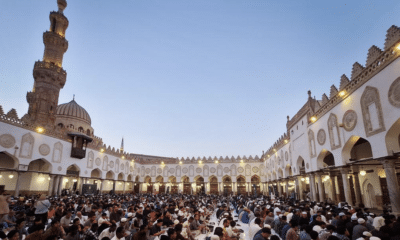
Across the globe, Muslims celebrate Eid al-Adha with morning prayers at mosques, festive clothing, and shared meals with loved ones.
In countries such as Pakistan, India, Turkey, and Indonesia, streets and markets become vibrant with holiday activity as families prepare for the occasion.
For many Muslims, Eid al-Adha serves as a reminder of faith, generosity, and unity within communities worldwide.









































Pingback: Bangladesh’s ‘Donald Trump’ Buffalo Just Escaped Eid Sacrifice