






Aviation
GLP-1 Weight Loss Drugs Could Save Airlines $580 Million a Year in Fuel Costs, Study Finds

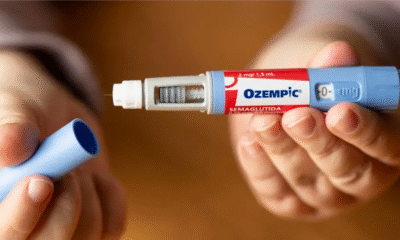
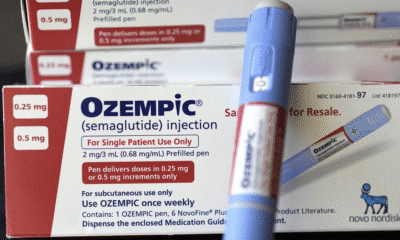
The explosive rise of GLP-1 weight loss drugs such as Ozempic and Wegovy could deliver an unexpected windfall for the airline industry. According to a new study by Wall Street firm Jefferies, lighter passengers could translate into significantly lower fuel consumption, saving major U.S. airlines an estimated $580 million annually.
Fuel is the single largest operating expense for airlines, and even small reductions in aircraft weight can produce meaningful savings. Jefferies analysts say broader adoption of GLP-1 medications, now increasingly available in pill form, could subtly but powerfully reduce average passenger weight across thousands of daily flights.
Why Passenger Weight Matters in Aviation
Aircraft fuel efficiency is directly tied to weight. Every pound added to a plane increases fuel burn, especially over long distances. While airlines have long focused on trimming grams wherever possible—from lighter seats to thinner paper in in-flight magazines—passenger body weight has traditionally been beyond their control.
“That’s changing,” said Wall Street’s Jefferies equity analyst Sheila Kahyaoglu, who authored the report. “It only makes sense that the weight of passengers also impacts airline costs.”
Ozempic Exploits a Digital Loophole to Dominate Google’s Weight Loss Searches
The $580 Million Fuel Savings Breakdown
Wall Street firm Jefferies estimates that American Airlines, Delta Air Lines, United Airlines and Southwest Airlines—the four largest U.S. carriers—could collectively save $580 million per year in fuel if GLP-1 use becomes widespread among travelers.
The math is striking. If average passenger weight dropped by just 10%, total aircraft weight could fall by around 2%, resulting in up to 1.5% lower fuel costs. That alone could boost airline earnings per share by as much as 4%, according to the study.
On a Boeing 737 Max 8, a 10% reduction in passenger weight would equal roughly 3,200 pounds less per flight—a substantial difference repeated across millions of annual departures.
GLP-1 Pills Could Accelerate the Trend
The shift from injections to oral GLP-1 pills is expected to accelerate adoption. With obesity treatments becoming more accessible, analysts believe weight loss could soon be reflected at a population level.
Data cited by the New York Times shows one in eight American adults now uses a GLP-1 drug, up sharply from just 18 months ago. While some patients take the drugs for chronic conditions like diabetes, many use them primarily for weight loss.
Airlines’ Long History of Weight Obsession
The industry’s fixation on weight is legendary. In the 1990s, American Airlines famously saved $40,000 by removing a single olive from in-flight salads. More recently, United Airlines saved nearly $290,000 a year by switching to lighter magazine paper.
“Airlines have always chased weight savings—from olives to paper stock,” the Jefferies report noted. “Passenger waistlines have thus far been out of their control.”
While passengers may never notice the difference, the financial impact could be profound. If GLP-1 drugs continue reshaping public health trends, airlines may find themselves among the biggest indirect beneficiaries—burning less fuel, cutting costs, and improving margins, all without changing a single route.


















































Pingback: Patent Expiry Sparks Major Move: Zydus Bets on GLP-1 Therapy