








News
Russian Cargo Ship Mystery Deepens After Report Claims It Carried Nuclear Reactor Parts for North Korea

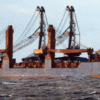
A Russian cargo ship that mysteriously sank in the Mediterranean Sea has become the center of growing international intrigue after reports suggested it may have been transporting submarine nuclear reactor components potentially destined for North Korea.
The ship, identified as the Ursa Major, sank off the coast of Spain on December 23, 2024, following multiple explosions onboard. New investigative reporting by CNN has reignited attention on the incident, raising questions about secret military cargo, possible sabotage, and escalating cooperation between Russia and North Korea.
Explosions Reported Before Ship Sank
According to investigators, the Ursa Major began experiencing problems while traveling through Spanish waters after departing from Russia earlier in December 2024. The cargo ship reportedly slowed unexpectedly before later issuing a distress signal after three explosions occurred near the engine room.
Two crew members were killed in the incident, while 14 survivors were rescued by Spanish emergency services. Authorities later confirmed that the ship eventually sank to the bottom of the Mediterranean Sea approximately 60 miles off the Spanish coastline.
Investigators reportedly discovered a significant breach in the vessel’s hull, fueling speculation that the damage may have been caused by an advanced underwater weapon or explosive device.
Claims of Nuclear Reactor Components Onboard
The mystery intensified after Spanish officials revealed that the ship’s captain allegedly told investigators the Russian ship was carrying “components for two nuclear reactors similar to those used in submarines.”
The cargo had reportedly been officially listed as industrial equipment and “manhole covers,” but investigators began questioning the unusual shipment after examining the vessel’s route and manifest.
Some reports suggest the reactors may have been intended for North Korea, which has recently accelerated efforts to develop nuclear-powered submarines. Analysts believe such technology transfers would represent a major strategic move by Moscow amid its growing military relationship with Pyongyang.
Spy Ships and Nuclear Detection Flights Add to Questions
Further speculation emerged after reports that a Russian vessel widely associated with intelligence operations, the Yantar, visited the wreck site shortly after the sinking. Additional underwater explosions were reportedly detected during its presence in the area.
Public flight tracking data also showed that a rare U.S. WC-135 “nuclear sniffer” aircraft flew over the region following the incident. These specialized planes are designed to detect radioactive particles and are typically used during investigations involving nuclear activity.
Neither the United States nor Spain has publicly confirmed the discovery of radioactive contamination connected to the wreck.
Russia Calls Incident a “Terrorist Attack”
Russian officials previously described the sinking as a “targeted terrorist attack,” claiming the vessel suffered deliberate explosions. However, no government has officially blamed another nation or group for the incident.
Defense analysts remain divided over what exactly caused the ship to sink. Some experts believe the damage resembles the effects of a torpedo or underwater explosive, while others argue the evidence remains inconclusive.
The case continues to attract international attention due to the possibility of secret nuclear technology transfers and growing concerns over military cooperation between Russia and North Korea.
Growing Concerns Over Russia-North Korea Ties
The incident comes amid increasing military alignment between Moscow and Pyongyang. North Korea has reportedly supplied troops and weapons to assist Russia during the war in Ukraine, while experts believe Russia may now be offering advanced military technology in return.
If confirmed, the transfer of submarine reactor components could significantly strengthen North Korea’s naval nuclear ambitions and shift security dynamics in East Asia.