







News
Starmer Says Mandelson Should Not Sit in the House of Lords After Epstein Revelations

Prime Minister Sir Keir Starmer has signalled a dramatic shift in Labour’s stance toward one of its most influential figures, saying that Lord Peter Mandelson should no longer be a member of the House of Lords or use his peerage title following renewed scrutiny of his past links to convicted sex offender Jeffrey Epstein.
Downing Street confirmed that Keir Starmer has ordered an urgent investigation into Peter Mandelson’s conduct during his time as a government minister, particularly focusing on communications revealed in newly released documents. The review will be led by Cabinet Secretary Chris Wormald and will examine all available material relating to Mandelson’s relationship with Jeffrey Epstein.
Viral Videos of Jeffrey Epstein Resurface as US Releases Millions of Case Files
Emails and Influence Under Scrutiny
The investigation follows the release of documents suggesting Peter Mandelson maintained a close personal and professional relationship with Epstein even after his criminal conviction. Among the most damaging claims are emails that appear to show Mandelson, while serving as business secretary in 2009, forwarding internal government communications to Epstein — including material originally sent to then-prime minister Gordon Brown.
Other records indicate that Mandelson advised Epstein on how major financial institutions might lobby the UK government on proposed policies, raising fresh concerns about conflicts of interest and inappropriate access.
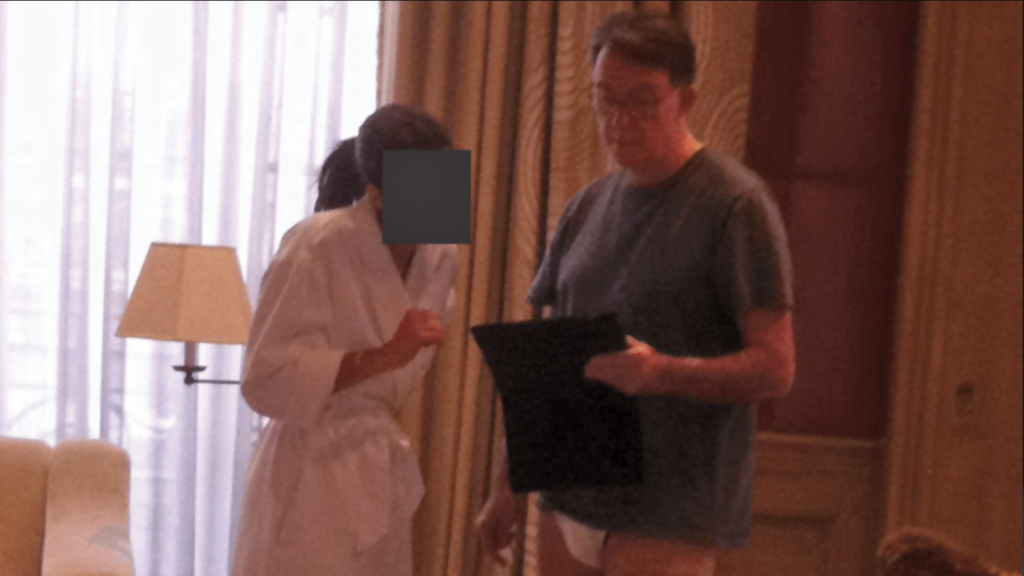
Lord Peter Mandelson features in Epstein Files in his underwear
Limits of Prime Ministerial Power
Despite Keir Starmer’s clear view that Peter Mandelson should not remain in the House of Lords, No. 10 acknowledged that the prime minister does not have the legal authority to revoke a peerage directly.
Removing a title would require primary legislation — a complex process that has not been used for more than a century. Instead, Starmer is understood to favour modernising parliamentary disciplinary procedures, allowing the House of Lords’ Conduct Committee to more easily remove peers whose behaviour brings the institution into disrepute.
Government sources believe reforming internal rules would be a faster and more politically realistic route than attempting to strip a peerage through Parliament.
Millions of Epstein Files Released: What the Latest DOJ Dump Reveals
A Relationship That Refused to Fade
Mandelson’s links to Epstein have been publicly known for years, but recent disclosures have painted a more extensive picture. Documents show the relationship continued well beyond Epstein’s 2008 conviction, with contact reportedly lasting until at least 2016.
The controversy previously forced Mandelson to withdraw from a planned diplomatic role in Washington, and last year he resigned from Labour Party membership, citing the need to avoid further damage to the party.
More recently, Mandelson issued a public apology for maintaining contact with Epstein after his conviction, acknowledging the harm caused to victims and admitting his judgment had been wrong.
Political Fallout for Labour
For Starmer, the episode represents a sharp test of his leadership credentials and commitment to ethical standards in public life. By distancing himself from Mandelson, the prime minister appears determined to draw a clear line between Labour’s future and the controversies of its past.
The outcome of the review — and any subsequent reforms to the House of Lords — could set a powerful precedent for how Britain handles misconduct among senior political figures.
















































Pingback: Labour in Turmoil: Can Keir Starmer Survive Without Top Fixers?
Pingback: Peter Mandelson Arrested on Suspicion of Misconduct