








News
UN Pauses Strait of Hormuz Ship Evacuations After Vessel Attack Near Oman

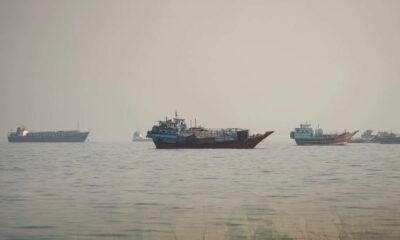
The International Maritime Organization (IMO) has temporarily suspended its emergency ship evacuation operation through the Strait of Hormuz after a merchant vessel was struck off the coast of Oman, escalating security concerns in one of the world’s most strategically important waterways.
The decision comes amid heightened tensions involving Iran and renewed threats to commercial shipping in the region, where a significant share of the world’s oil and liquefied natural gas exports passes each day.
UN Halts Evacuation Plan Pending Safety Review
IMO Secretary-General Arsenio Dominguez confirmed that the United Nations-backed evacuation initiative has been placed on hold until adequate safety guarantees can be verified for ships waiting to leave the Persian Gulf.
The evacuation plan had been created to help stranded commercial vessels safely transit the Strait of Hormuz using an alternative shipping corridor coordinated with Oman. However, the latest attack prompted the agency to reassess risks before allowing additional ships to proceed.
Dominguez clarified that the vessel struck in Thursday’s incident was not part of the UN evacuation convoy.
Iran Rejects US Claims on Nuclear Inspections as Fresh Talks Signal Diplomatic Breakthrough
Merchant Vessel Reportedly Hit by Iranian Drone
According to the United Kingdom Maritime Trade Operations, the merchant vessel sustained damage after being struck by a projectile off Oman’s coast. No injuries or environmental pollution were reported.
A U.S. official, speaking anonymously, told media outlets that the merchant ship Ever Lovely was allegedly targeted by a drone launched by Iran’s Islamic Revolutionary Guard Corps.
Iran has not publicly acknowledged responsibility for the reported attack.
Trump Signs US-Iran Deal in Versailles, Sparking Global Debate Over Middle East Peace
Iran Warns Ships Over New Shipping Corridor
Hours before the reported strike, Iranian authorities warned commercial vessels against using the newly established UN-backed shipping route without Tehran’s authorization.
Iran’s newly created Persian Gulf Strait Authority stated that vessels operating outside routes approved by the Iranian government would not receive guarantees of safe passage.
Separately, the Revolutionary Guard’s naval forces described the alternative route as “unacceptable” and warned that ships ignoring Iranian-designated corridors could face consequences.
Shipping and Oil Markets Closely Watching Situation
The Strait of Hormuz remains one of the world’s most critical energy corridors, historically carrying nearly one-fifth of global oil and natural gas supplies.
Although shipping activity has gradually recovered in recent days, vessel traffic remains below pre-conflict levels. Marine tracking data showed transit numbers increasing significantly over the past week, though still short of historical averages.
Energy markets have reacted cautiously. Oil prices briefly dipped below pre-conflict levels as investors anticipated improving conditions, but the latest security incident could renew concerns over future supply disruptions.
Peace Talks Continue Despite Regional Tensions
The latest maritime developments come as the United States and Iran continue negotiations over an interim peace agreement covering regional security, nuclear issues, and maritime navigation.
Marco Rubio reaffirmed Washington’s commitment to maintaining freedom of navigation through the Strait of Hormuz during meetings with Gulf allies, emphasizing that uninterrupted shipping remains vital to the global economy.
Meanwhile, renewed clashes between Hezbollah and Israel in southern Lebanon have raised additional concerns that regional instability could complicate diplomatic efforts and further threaten security across the Middle East.