







Cryptocurrency
Japan Plans to Reclassify XRP as a Financial Product by 2026 — A Major Shift for Crypto Regulation
The reclassification of XRP is closely tied to Japan’s FY2026 tax reform plans, which aim to simplify cryptocurrency taxation.

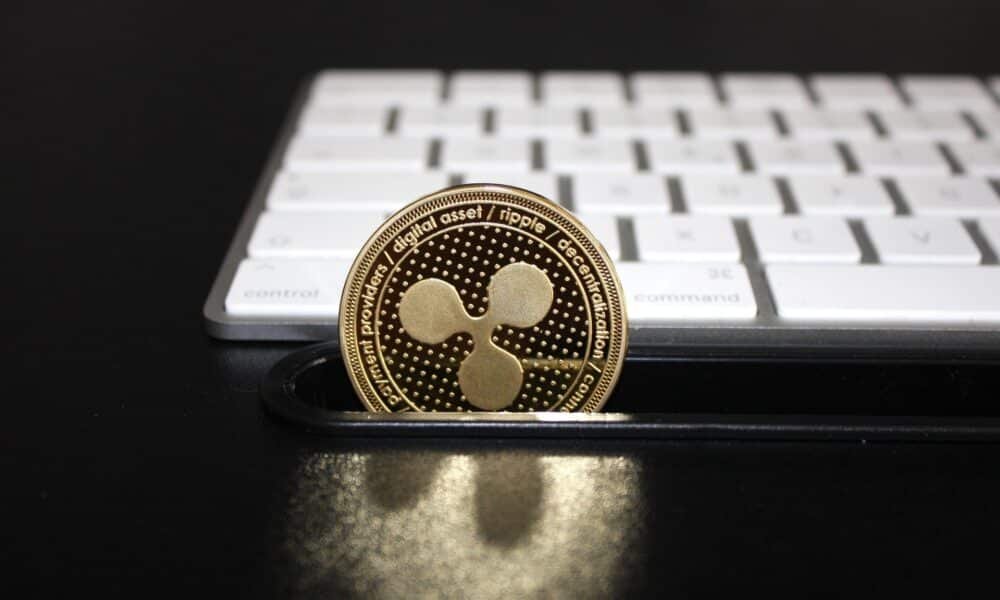
Japan is preparing for a significant change in cryptocurrency regulation that could reshape the digital asset market. Reports indicate that the country’s Financial Services Agency (FSA) plans to classify Ripple’s XRP as a regulated financial product by the second quarter of 2026.
If implemented, the move would transfer XRP from the current “crypto asset” category under the Payment Services Act to the more stringent Financial Instruments and Exchange Act (FIEA) framework. This change in Japan would effectively treat XRP more like traditional investment instruments such as stocks or bonds.
The decision reflects Japan’s growing interest in integrating digital assets into its formal financial system while strengthening investor protections.
Stronger Oversight and Investor Protection
Under the proposed framework, XRP trading would be subject to stricter regulatory oversight similar to that applied to securities markets.
Crypto exchanges listing XRP would need to provide detailed disclosures about the asset’s volatility, technology structure, and issuer relationships. The rules would also introduce stronger measures against insider trading and market manipulation, two concerns that regulators have long associated with cryptocurrency markets.
Japanese authorities say these changes are necessary as the country’s crypto user base continues to expand. Estimates suggest Japan now has nearly 12 million active crypto accounts, making investor protection a growing priority.
By applying securities-style regulations, policymakers hope to create a more transparent and stable trading environment that institutional investors can trust.
Tax Reform Could Boost Crypto Investment
The reclassification of XRP is closely tied to Japan’s FY2026 tax reform plans, which aim to simplify cryptocurrency taxation.
Currently, crypto profits can be taxed as “miscellaneous income,” with rates reaching up to 55% in some cases. The proposed reform would introduce a flat 20% capital gains tax, aligning digital asset taxation with the treatment of traditional stock investments.
For many investors, this change could significantly reduce the tax burden associated with crypto trading and encourage greater participation in regulated markets.
The policy shift could also attract institutional investors such as asset managers, hedge funds, and pension funds that previously avoided crypto due to regulatory uncertainty.
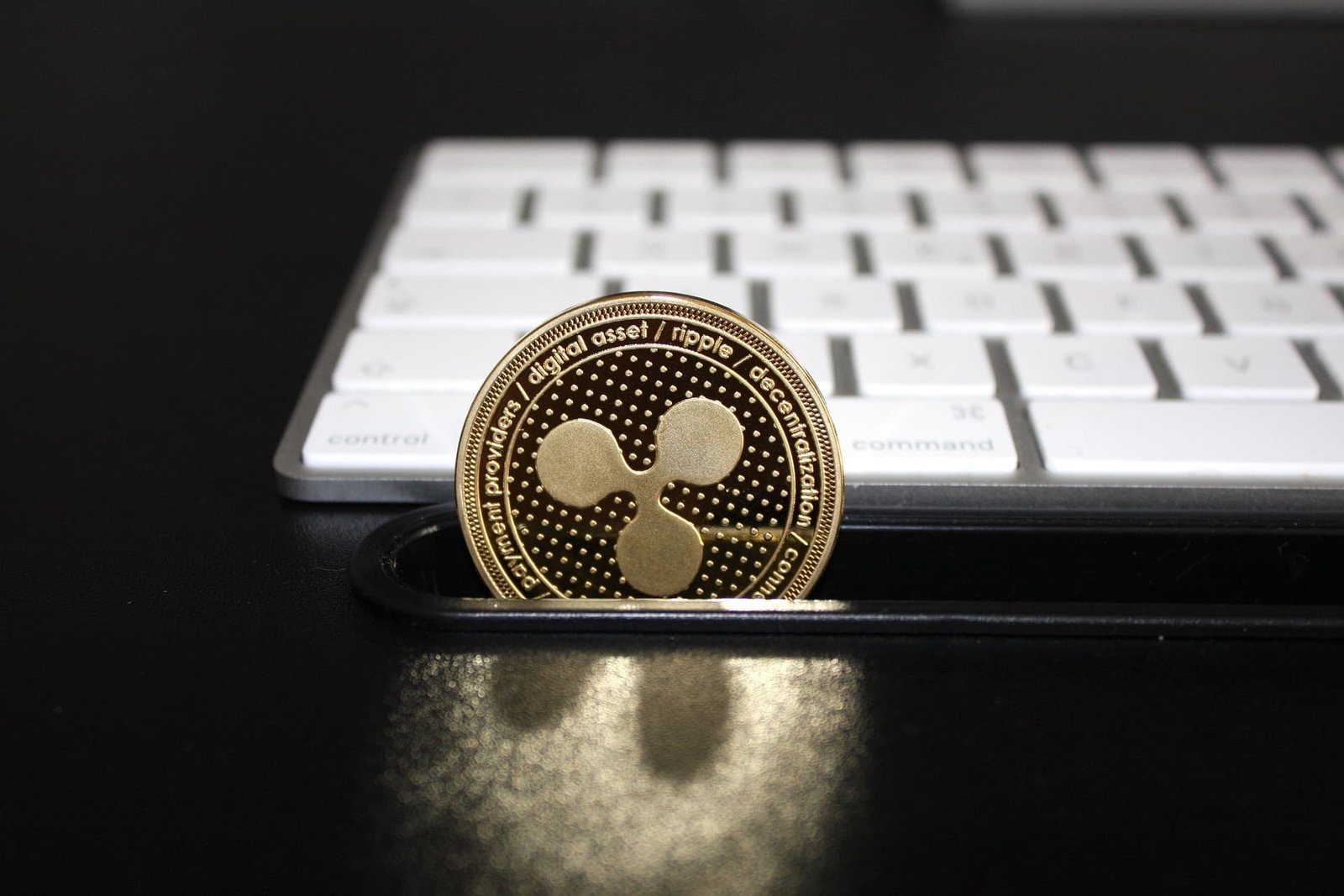
Ripple XRP Japan Reclassification
XRP’s Growing Role in Japan’s Financial Infrastructure
Japan has already emerged as one of the most XRP-friendly markets in the world, partly due to partnerships between Ripple and financial institutions.
Several banks and payment providers in Japan use Ripple-powered technology for cross-border remittances, allowing faster and lower-cost international money transfers. XRP often serves as a bridge asset in these transactions.
Because of this existing infrastructure, analysts believe XRP could be well-positioned to benefit from Japan’s evolving regulatory framework.
The new rules may also support the country’s broader vision of building a “tokenized economy,” where blockchain technology is integrated into traditional financial systems.
A Potential Blueprint for Global Crypto Regulation
Japan’s approach could influence how other major economies regulate cryptocurrencies.
By bringing digital assets like XRP into a framework similar to securities regulation, policymakers aim to balance innovation with financial stability. The model could provide a roadmap for governments seeking to integrate crypto into mainstream finance without sacrificing oversight.
As lawmakers prepare to review the proposal in Japan’s parliament, the global crypto industry will be watching closely. If implemented successfully, the move could mark a turning point in how large digital assets are regulated and adopted worldwide.