
Goa Plunge
Beyond Beaches – Goa Bets on Ghat Aarti to Expand Religious Tourism
Mandovi River Project Signals Strategic Shift in Goa’s Tourism Vision

Long celebrated for its beaches and nightlife, Goa is now making a deliberate push to broaden its tourism identity. The state government has begun construction of a dedicated ghat aarti facility on the banks of the River Mandovi at Naroa village in North Goa, aiming to position religious tourism as a key pillar alongside leisure travel.
The initiative, announced in the Goa legislative assembly by Tourism Minister Rohan Khaunte, reflects a wider effort to diversify visitor experiences and attract year-round tourism. Modeled on iconic riverfront rituals in Varanasi, Haridwar, and Nashik, the Naroa ghat aarti is expected to become a new spiritual landmark in the state.
Rs 10.85 Crore Project with a Clear Timeline
According to the government, a work order worth Rs 10.85 crore has been issued for the project, with construction having begun on October 1, 2025. The facility is scheduled for completion by May 29, excluding the monsoon period, with a total execution timeline of 240 days. The project has been awarded to M/s IB Construction.
Once operational, the ghat aarti site is expected to host structured riverfront rituals that can be attended by pilgrims, families, and tourists, adding a new dimension to Goa’s cultural landscape.
Goa’s Religious Tourism Push
Naroa village already holds religious significance due to the presence of the Shree Saptakoteshwar Temple, an important shrine that was rebuilt by Chhatrapati Shivaji Maharaj. By situating the ghat aarti near an established spiritual centre, the government is seeking to strengthen Naroa’s position within Goa’s pilgrimage circuit rather than creating a standalone attraction.
Officials believe this combination of temple heritage and riverfront rituals can create a holistic spiritual experience, encouraging visitors to explore inland areas beyond the state’s well-known coastal belt.
Diversifying Tourism Beyond Seasonal Beach Travel
Religious tourism is widely viewed as a more stable and less seasonal segment compared to leisure travel. Pilgrimage-based visits often involve families and multi-generational groups and are less dependent on weather or peak holiday calendars. By developing structured spiritual experiences, Goa hopes to attract visitors throughout the year, supporting more consistent economic activity.
A Mandovi riverfront aarti could also encourage longer stays, allowing tourists to combine beach holidays with cultural and spiritual exploration.
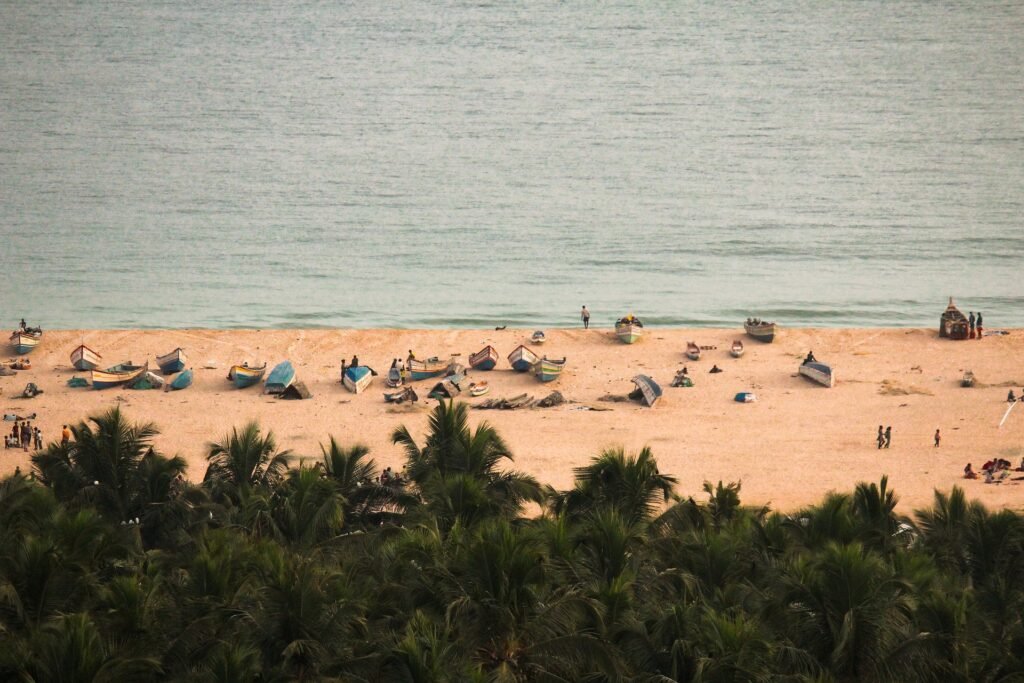
Goa Beach Sunset
Local Economic and Cultural Impact
Beyond tourism numbers, the project is expected to generate local economic benefits. Increased footfall around the ghat could boost demand for transport services, local eateries, flower vendors, priests, guides, and small businesses in and around Naroa. Evening rituals may also create safe, family-oriented public spaces that enhance community engagement.
As Goa continues to rethink its tourism strategy, the Naroa ghat aarti project signals a clear intent: to balance its global beach brand with deeper cultural and spiritual offerings—reshaping how the state is experienced by domestic and international visitors alike.