






immigration Politics
Spotify Confirms ICE Recruitment Ads Are No Longer Running on Platform
Spotify ads were linked to the Trump administration’s $30 billion initiative to hire at least 10,000 additional deportation officers by the end of 2025 and offered signing bonuses of up to $50,000.

Spotify has confirmed that U.S. Immigration and Customs Enforcement (ICE) recruitment ads are no longer running on its platform, following months of criticism from listeners, activists, and artists. The streaming giant clarified that the controversial advertisements were part of a broader U.S. government recruitment campaign that concluded late last year.
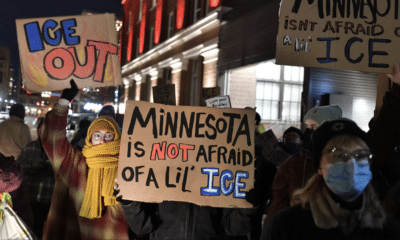
The confirmation comes amid heightened public scrutiny of ICE after the fatal shooting of a woman by an ICE agent in Minneapolis last week, an incident that further intensified backlash against companies associated with the agency’s messaging.
Why Spotify Faced Backlash
The controversy dates back to October, when Spotify users began reporting ICE recruitment ads appearing between songs on the platform’s ad-supported free tier. The ads were linked to the Trump administration’s $30 billion initiative to hire at least 10,000 additional deportation officers by the end of 2025 and offered signing bonuses of up to $50,000.
At the time, Spotify defended the ads, stating they did not violate its advertising policies and were part of a nationwide government campaign spanning television, streaming platforms, and online media. Similar ads reportedly ran on Hulu, Max, YouTube, Pandora, and Amazon services.
Reports suggested that Spotify received approximately $74,000 from the Department of Homeland Security to host the ads, while Google and YouTube earned millions promoting related government messaging, including Spanish-language campaigns encouraging self-deportation.

ICE Recruitment Advertisements
Spotify’s Official Response
Spotify spokesperson confirmed: “There are currently no ICE ads running on Spotify. The advertisements mentioned were part of a U.S. government recruitment campaign that ran across all major media and platforms.”
The company emphasized that the campaign had already ended before the Minneapolis shooting and before renewed calls for action from advocacy groups.
Boycotts and Artist Protests
The ICE ads sparked organized resistance. In late October, the nonprofit Indivisible Project called for a boycott of Spotify, urging users to cancel subscriptions until the ads were removed. That pressure escalated last month with the launch of a “Spotify Unwrapped” boycott, joined by Working Families and the 50501 Movement.
Musicians also took a stand. Artists including Massive Attack, King Gizzard and the Lizard Wizard, Godspeed You! Black Emperor, Deerhoof, and Kadhja Bonet either removed their music from Spotify or publicly criticized the platform. Discontent has also been fueled by Spotify founder Daniel Ek’s reported investment in military AI company Helsing.
What Comes Next for Spotify
WhileSpotify has confirmed the ICE recruitment ads are no longer running, activists warn that similar government campaigns may return. Reports indicate ICE is planning a $100 million “wartime recruitment” media push targeting conservative audiences through radio, digital platforms, and influencer partnerships.
For Spotify, the episode underscores the growing tension between advertising revenue and public accountability. As streaming platforms become central cultural spaces, decisions about what ads run—and who they benefit—are increasingly political, with real consequences for brand trust and user loyalty.











































Pingback: Spotify Claims Users Waived Right to Sue in ‘Payola’ Lawsuit