





Mattel
Mattel Launches First Autistic Barbie in Major Push for Inclusive Play

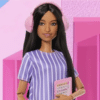
Mattel has unveiled its first-ever autistic Barbie, marking another milestone in the toy giant’s expanding commitment to diversity, representation, and inclusive play. Launched this week as part of the Barbie Fashionistas range, the new doll aims to help more children “see themselves in Barbie” while encouraging empathy and understanding among all kids.
The release comes just six months after Mattel introduced its first Barbie with Type 1 diabetes, and as the company develops a new animated Barbie film following Greta Gerwig’s record-breaking 2023 movie.
Designed With the Autistic Community
Mattel partnered with the Autistic Self Advocacy Network (ASAN) to design the doll, ensuring it reflects authentic autistic experiences. Autism is a form of neurodivergence that affects how individuals experience, process, and interact with the world. According to the World Health Organisation, more than one in 100 children globally is autistic.
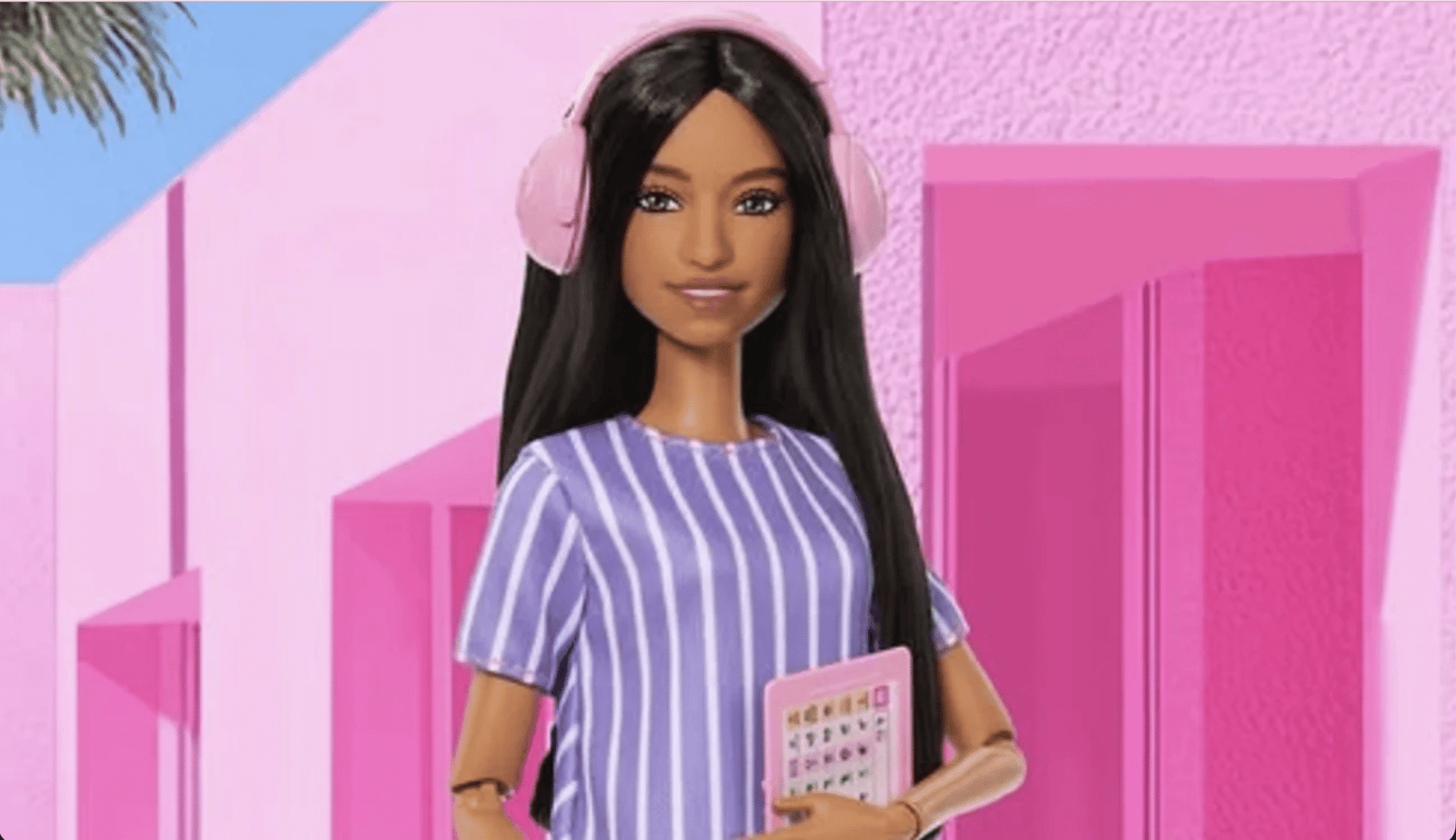
The autistic Barbie incorporates thoughtful design elements that represent how some autistic children navigate daily life. Her gaze is angled slightly to the side, reflecting how some autistic people avoid direct eye contact. Fully bendable elbows and wrists allow for repetitive movements such as hand-flapping or stimming, which can help regulate sensory input or express excitement.
Accessories That Normalize Support Tools
The doll includes a pink fidget spinner, noise-cancelling headphones, and a tablet displaying symbol-based augmentative and alternative communication (AAC) buttons—tools commonly used by some autistic individuals to manage stress, sensory overload, or communication challenges.
Barbie’s outfit is also designed with sensory comfort in mind: a loose-fitting purple A-line dress with short sleeves and minimal fabric-to-skin contact, paired with flat-soled shoes for stability and ease of movement.
Why Representation Matters
Until 2019, Barbie dolls had no visible disabilities. Since then, Mattel has expanded the line to include dolls who are blind, use wheelchairs, have Down syndrome, vitiligo, prosthetic limbs, and hearing aids, as well as Ken dolls with disabilities.
Jamie Cygielman, Mattel’s global head of dolls, said the autistic Barbie reflects the company’s broader inclusion strategy. “Every child deserves to see themselves in Barbie,” she said, adding that the doll helps redefine what inclusion looks like in the toy aisle.
Advocates agree. Jolanta Lasota, CEO of Ambitious about Autism, said representation from an iconic brand like Barbie can foster pride and self-acceptance, especially for autistic girls, who are often underdiagnosed. Author and neurodivergent advocate Ellie Middleton added that seeing an autistic Barbie could challenge long-standing misconceptions and help young girls embrace their differences.
View this post on Instagram
A Step Toward More Inclusive Childhoods
Experts and advocacy groups have praised the launch, noting that inclusive toys can play a powerful role in shaping self-esteem and social understanding. By integrating neurodivergent experiences into everyday play, Mattel’s autistic Barbie signals progress toward a world where difference is normalized—not hidden.
The doll will be available at major retailers, including Target, Walmart, and the Mattel Shop.