








AI Ethics
Anthropic CEO Defends Military AI Use Amid Questions Over Iran School Bombing
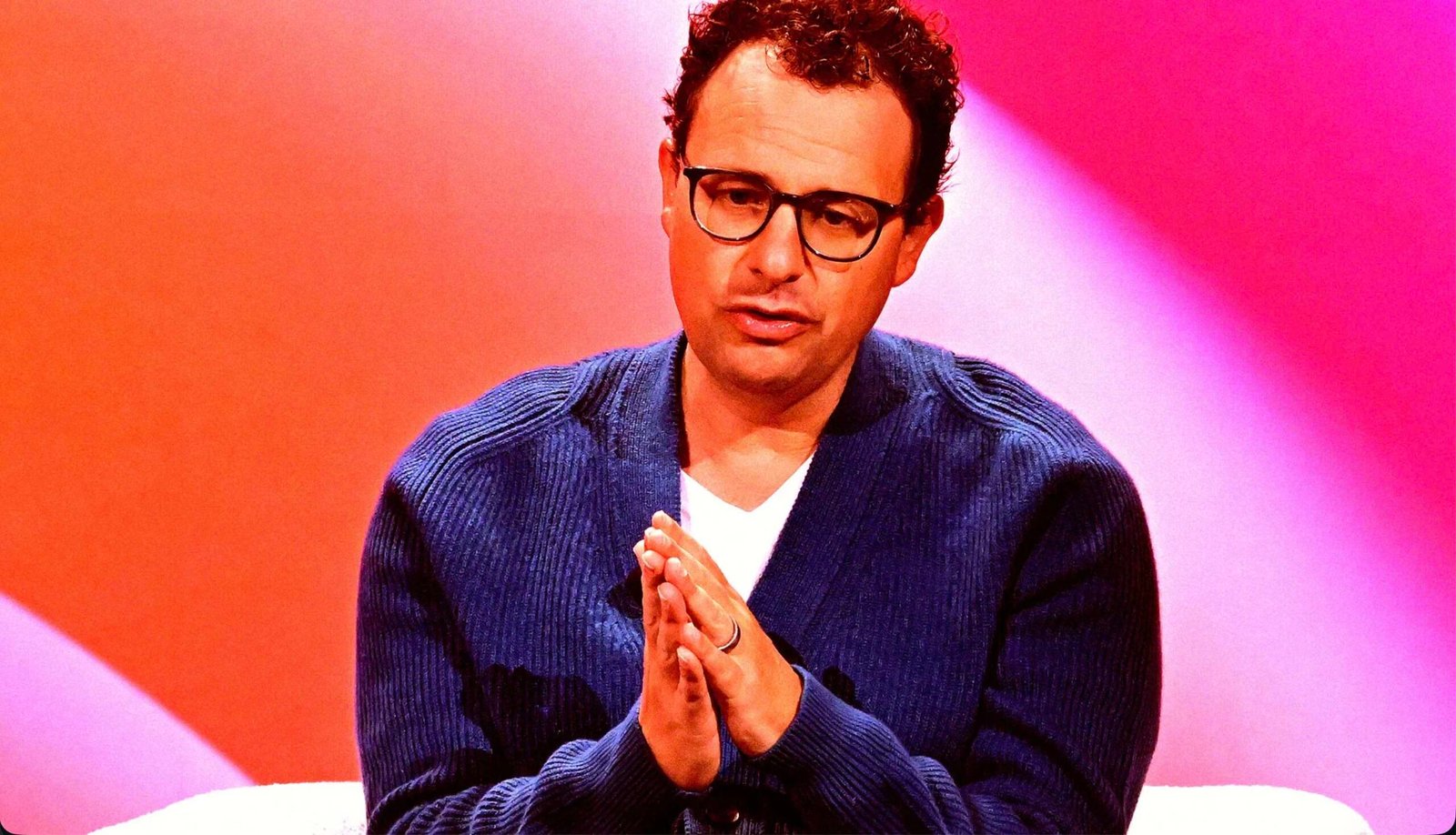
Artificial intelligence company Anthropic has found itself at the center of a growing debate over the role of advanced AI systems in military operations after CEO Dario Amodei addressed reports linking the company’s Claude model to a deadly strike in Iran on a school.
Speaking during an interview with Bloomberg’s The Circuit with Emily Chang, Dario Amodei said he does not know exactly how Anthropic’s AI technology may have been used in connection with a missile strike that reportedly killed around 120 children at an elementary school in Iran earlier this year.
The comments have reignited discussions about AI ethics, military applications of artificial intelligence, and the responsibilities of technology companies supplying advanced systems to defense agencies.
Pete Hegseth Threatens Anthropic Over AI Safeguards in High-Stakes Military Dispute
Anthropic CEO Responds to Questions
Dario Amodei emphasized that Anthropic does not have direct visibility into how every government customer deploys its AI tools.
According to the CEO, available information suggests that any use of Claude in military contexts remained under human supervision and did not violate the company’s policies.
“The principle that we have established is that a human makes the final decision,” Dario Amodei said, reinforcing Anthropic’s position that AI should assist rather than independently determine military actions.
His remarks come amid reports suggesting that U.S. investigators are examining whether American military forces were responsible for the strike. Officials have described findings as preliminary, and no conclusion has been publicly announced.
Anthropic Accidentally Exposes Claude Code Source in Major AI Leak
AI’s Expanding Role in National Security
Anthropic has become one of several leading artificial intelligence companies working with defense and national security organizations.
The company has previously stated that its AI models have been used for intelligence analysis, operational planning, cybersecurity tasks, simulations, and other government-related applications.
Amodei defended the broader use of AI in national security, arguing that democratic nations must remain technologically competitive.
He warned that limiting AI development could create strategic advantages for geopolitical rivals, particularly in areas involving intelligence gathering and defense operations.
View this post on Instagram
Tensions Between Anthropic and Washington
The controversy arises during a complicated period in Anthropic’s relationship with the U.S. government.
Earlier this year, the company reportedly opposed requests that would have allowed unrestricted military use of its AI models for domestic surveillance and fully autonomous weapons systems.
Anthropic cited ethical concerns about mass surveillance and battlefield autonomy, leading to disagreements with defense officials.
The dispute escalated after government agencies reconsidered contracts involving the company, though recent reports suggest relations may be improving.
New Push for AI Regulation
Beyond military issues, Anthropic is also advocating for stronger artificial intelligence oversight in Washington.
The company recently urged Congress to avoid overriding state AI laws unless lawmakers establish comprehensive federal regulations addressing advanced AI risks.
Anthropic has proposed mandatory independent safety testing for powerful AI systems and has called for modernization of unemployment benefit infrastructure to prepare for potential workforce disruptions caused by automation.
The recommendations come as policymakers worldwide grapple with balancing innovation, economic growth, national security, and public safety.
The Broader Debate
The controversy highlights a growing challenge facing the AI industry: determining how advanced technologies should be deployed in military and government settings.
As AI capabilities continue to evolve, questions surrounding accountability, transparency, and human oversight are likely to remain at the forefront of global policy discussions.
For Anthropic, the debate underscores both the opportunities and risks associated with developing some of the world’s most powerful artificial intelligence systems.