

Gadgets & Lifestyle Devices
Sony and TCL Announce Strategic Home Entertainment Partnership
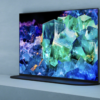
In a surprise move that could reshape the global TV market, Sony has signed a memorandum of understanding with TCL to establish a new joint venture covering Sony’s entire home entertainment products business. The partnership would span everything from product design and manufacturing to sales, logistics, and customer support — with TCL holding a 51% majority stake and Sony retaining 49%.
The announcement has sparked intense industry debate, given that TCL was once one of Sony’s fiercest competitors in the television space. If finalized, the venture would represent one of the most significant restructurings of Sony’s consumer electronics operations in decades.
Why Sony Needs TCL — And What TCL Gains
According to Sony, the partnership is designed to combine Sony’s picture and audio expertise, brand equity, and operational know-how with TCL’s advanced display technology, manufacturing scale, and vertically integrated supply chain. In an era of volatile panel pricing and rising R&D costs, the deal appears aimed at making Sony’s Bravia TVs and audio products more cost-competitive without sacrificing quality.
Sony CEO Kimio Maki described the agreement as a way to “create new customer value” and deliver more compelling audio-visual experiences worldwide — language widely interpreted as a push toward improved pricing and scalability.
For TCL, the partnership offers a powerful brand lift. Aligning with Sony’s Bravia name and premium reputation could help TCL further cement its position beyond value-focused displays and into higher-end home entertainment.
What Happens to Sony Bravia and OLED TVs?
One of the biggest questions surrounding the Sony–TCL joint venture is the future of Sony’s TV lineup, particularly its OLED models. Sony does not manufacture its own OLED panels, instead sourcing them from suppliers like LG Display and Samsung Display. TCL, by contrast, primarily focuses on LCD technologies, though it has been developing inkjet-printed OLED displays.
It remains unclear whether the joint venture will allow Sony to continue sourcing OLED panels externally or whether TCL’s evolving display tech will eventually power future Bravia models. Sony has emphasized that all products will continue to carry the Sony and Bravia branding, reassuring loyal customers that the iconic name isn’t going away.
View this post on Instagram
Not a Done Deal — Yet
Despite the dramatic headlines, this is not yet a finalized agreement. The memorandum of understanding signals intent, not certainty. Binding agreements are expected to be completed by the end of March, pending regulatory approvals, with the new company projected to begin operations by spring 2027. That timeline suggests consumers may not see tangible products from the partnership until late 2027.
A Risky Move or a Smart Evolution?
Industry observers have drawn parallels to past partnerships that failed to save legacy TV brands. However, Sony is far larger and more diversified than companies like Pioneer, whose TV division disappeared after a similar alliance years ago.
For now, Sony insists this is about sustainable growth, not retreat. Whether the partnership secures Sony’s long-term place in the TV market — or fundamentally changes what a “Sony TV” means — will become clear over the next two years.