










Formula 1
F1 2026 regulation changes: everything agreed for the Miami Grand Prix

The decision followed an online meeting between the FIA, team principals, power unit manufacturer CEOs, and Formula One Management (FOM). The final proposals were developed over several weeks of consultation, drawing on data collected across the opening three rounds of the season in Australia, China, and Japan, and incorporating direct input from F1 drivers.
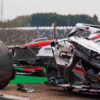
F1 Drivers Demand Urgent Action After Oliver Bearman’s ‘Scary’ Crash at Japanese Grand Prix
The changes span four areas: qualifying, race conditions, race starts, and wet weather running. Here is a full breakdown of what has been agreed.
View this post on Instagram
Promoting consistent flat-out performance
Energy management in qualifying has been a major talking point, with drivers forced to lift and coast through corners due to excessive battery harvesting. The agreed tweaks address this directly:
- Maximum permitted energy recharge reduced from 8MJ to 7MJ per lap, targeting a superclip duration of two to four seconds.
- Peak superclip power raised from 250 kW to 350 kW, cutting the time drivers spend recharging and easing energy management workload. This also applies in race conditions.
- The number of events eligible for alternative lower energy limits increases from 8 to 12 races, allowing circuits with specific characteristics to be better accommodated.
Improved safety and performance consistency
Sudden power differentials between cars have raised safety concerns, particularly around closing speeds during overtaking. The new rules introduce tighter limits on Boost deployment:
- Maximum Boost power in race conditions is capped at +150 kW (or the car’s current output if higher at activation).
- MGU-K deployment held at 350 kW in key acceleration zones but restricted to 250 kW elsewhere on the lap.
New safety mechanisms to close the gap
Vastly different turbo designs have led to wildly uneven launch acceleration. A new automated system will be trialled in Miami before wider adoption:
- A low-power start detection system will identify cars with abnormally low acceleration at clutch release.
- An automatic MGU-K deployment will be triggered in those cases to ensure minimum acceleration without sporting advantage.
- Flashing rear and lateral warning lights will activate on affected cars to alert following drivers.
- The energy counter will now reset at the start of the formation lap, correcting a previously identified inconsistency.
Better grip, visibility, and control
- Intermediate tyre blanket temperatures have been raised following driver feedback to improve initial grip.
- Maximum ERS deployment will be reduced in wet conditions, limiting torque and improving stability on low-grip surfaces.
- Rear light systems have been simplified for clearer, more consistent visual cues in poor visibility.
The agreed proposals are subject to an FIA World Motor Sport Council e-vote before formal implementation. All changes except the race start system, which will be assessed following the Miami weekend, are expected to be in force from 3 May.


































Pingback: Norris Breaks Mercedes’ Run in 2026 F1 Season in Miami Shocker