
Amazon MGM
Phantom Thread Creators Demand Music Removal From Controversial Melania Documentary
Amazon MGM reportedly spent $40 million to acquire the Melania documentary following a bidding war, then invested an additional $35 million in theatrical marketing — an unprecedented spend for a political documentary. While the film opened strongly, it saw a steep 67% drop in its second weekend at the US box office.

Award-winning filmmaker Paul Thomas Anderson and Radiohead guitarist and composer Jonny Greenwood have formally requested the removal of music from their acclaimed 2017 film Phantom Thread from the newly released documentary, Melania. The move adds to a growing storm of controversy surrounding the high-profile documentary film backed by Amazon MGM.
In a joint statement, Paul Thomas Anderson andJonny Greenwood said they were alerted to the unauthorised use of a Phantom Thread music cue in the Melania documentary. While Jonny Greenwood does not personally own the copyright to the score, the pair claim that Universal Pictures failed to consult the composer for third-party usage — a move they describe as a violation of Jonny Greenwood’s original agreement.
As a result, both creators have asked for the music to be withdrawn from the film.
A Documentary Surrounded by Scrutiny
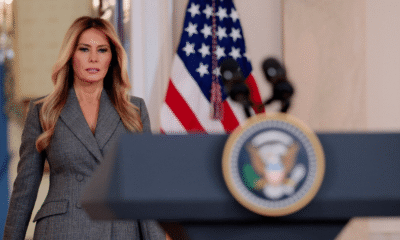
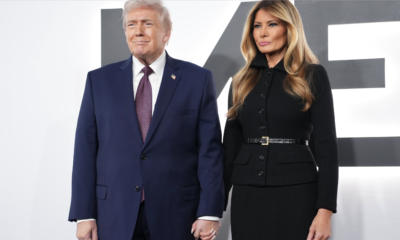
Directed by Brett Ratner, Melania presents itself as an intimate portrait of Melania Trump in the weeks leading up to Donald Trump’s January 2025 inauguration. Despite strong box office numbers for a nonfiction release, the film has been widely criticised for lacking depth and insight.
Critics have largely dismissed the documentary, with some calling it superficial and disengaging. Audience response, however, tells a sharply different story. On Rotten Tomatoes, the film holds a striking divide: a single-digit critics’ score alongside a near-perfect audience rating, sparking debate over political mobilisation and review authenticity.
Amazon’s Big Bet Raises Eyebrows
Amazon MGM reportedly spent $40 million to acquire the Melania documentary following a bidding war, then invested an additional $35 million in theatrical marketing — an unprecedented spend for a political documentary. While the film opened strongly, it saw a steep 67% drop in its second weekend at the US box office.
Industry insiders have questioned whether the investment reflects commercial logic or political calculation, especially amid speculation that Amazon sought to strengthen ties with Donald Trump and his allies.
Tensions Spill Beyond the Screen
The controversy has not remained confined to critics and creators. Amazon recently pulled the film from an Oregon cinema after the theatre used tongue-in-cheek marquee jokes to promote screenings. The move triggered backlash online, with many accusing the studio of stifling satire and artistic expression.
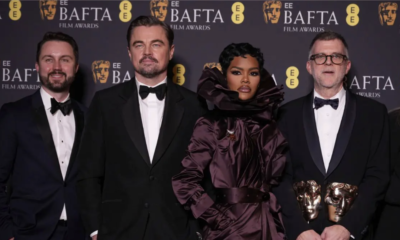
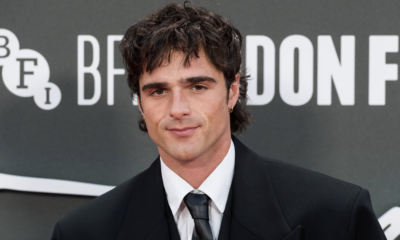
Meanwhile, Paul Thomas Anderson himself has publicly embraced criticism of the documentary. While accepting a screenplay award in London, the director praised a scathing review of Melania, calling it “exceptional writing” and singling it out for its sharp cultural critique.
A Film That Refuses to Stay Quiet
With mounting questions around music rights, box office sustainability, political motivations, and audience manipulation, Melania has become one of the most divisive documentaries in recent memory. The request by Paul Thomas Anderson and Jonny Greenwood only deepens the debate, highlighting ongoing tensions between art, commerce, and politics in modern filmmaking.
As the documentary prepares for its eventual streaming debut, the controversy surrounding it may prove more enduring than the film itself.