







News
Hungary’s New PM Péter Magyar Signals Potential Arrest of Netanyahu Over ICC Warrant

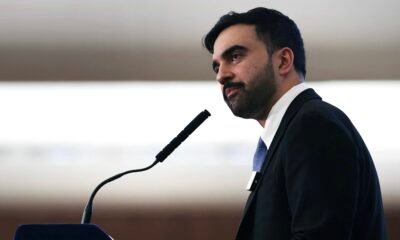
Hungary’s Prime Minister-elect Péter Magyar has sparked international debate after stating that Hungary would be required to arrest Benjamin Netanyahu if he entered the country while under an active warrant from the International Criminal Court.
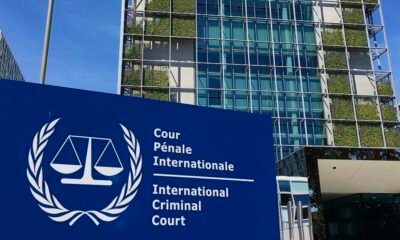
The ICC issued an arrest warrant for Israeli Prime Minister Benjamin Netanyahu in November 2024 over alleged war crimes and crimes against humanity. As a member of the court, Hungary is technically obligated to comply with such warrants, placing the issue at the center of legal and diplomatic tensions.
Reversing the Orbán-Era Stance
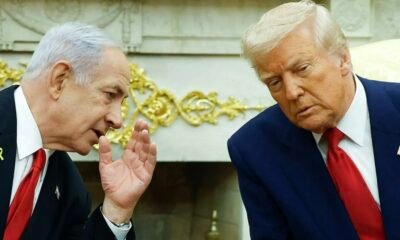
The statement marks a significant departure from the position taken by former Hungarian Prime Minister Viktor Orbán. During Benjamin Netanyahu’s visit to Budapest in April 2025, Hungary declined to enforce the ICC warrant and instead moved to withdraw from the court.
Viktor Orbán’s government had assured Benjamin Netanyahu immunity, citing national sovereignty and political alliances. However, the withdrawal process from the ICC takes one year to finalize, leaving Hungary technically bound by its obligations in the interim.
Péter Magyar has now pledged to halt the withdrawal process altogether, signaling a return to full compliance with international legal frameworks.
“Must Be Taken Into Custody”
Speaking to reporters, Péter Magyar emphasized that Hungary’s future government intends to uphold ICC commitments. He stated that if a country remains a member of the court, it must detain individuals subject to arrest warrants upon entry.
This position could directly impact Benjamin Netanyahu’s planned visit to Hungary later this year, which had previously been accepted under the Viktor Orbán administration.
View this post on Instagram
Legal Complexities and International Disagreement
The situation highlights ongoing divisions among ICC member states. Some countries have argued that diplomatic immunity and existing international agreements can override ICC obligations in certain cases.
For instance, France has suggested that arresting a sitting head of government could conflict with diplomatic protections. Similarly, leaders in Germany and Italy have expressed reluctance to enforce such warrants under comparable circumstances.
These differing interpretations underscore the broader debate over the ICC’s authority and the balance between international justice and diplomatic relations.
Implications for Global Diplomacy
Hungary’s potential policy shift could have far-reaching consequences. If enforced, it would mark one of the most high-profile instances of an ICC warrant being acted upon against a sitting leader of a close US ally.
The move may also influence how other nations approach similar legal dilemmas, potentially strengthening the ICC’s role or, conversely, deepening divisions among member states.
With Hungary’s leadership transition underway, the final stance will depend on how quickly the new government formalizes its policies. Netanyahu’s proposed visit later this year could become a critical test case for international law and diplomatic norms.
As geopolitical tensions continue to evolve, Hungary’s decision may reshape the conversation around accountability, sovereignty, and the enforcement of global legal standards.













































Pingback: Francesca Albanese Scores Legal Victory Against Trump Sanctions