


News
Trump ‘Wasn’t Worried’ After Shooting at White House Correspondents’ Dinner Sparks Security Concerns

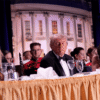
A shocking security breach at the White House Correspondents’ Dinner has reignited debate over political violence and public safety in the United States. The incident unfolded when a gunman attempted to storm a ballroom at a Washington hotel, prompting a swift evacuation of high-profile attendees, including U.S. President Donald Trump.
According to officials, the suspect, identified as Cole Tomas Allen, allegedly opened fire near a security checkpoint before being subdued by law enforcement. Authorities say the situation could have escalated into a far more serious tragedy if not for the rapid intervention by the Secret Service and other agencies.
View this post on Instagram
Trump’s Reaction and Security Response
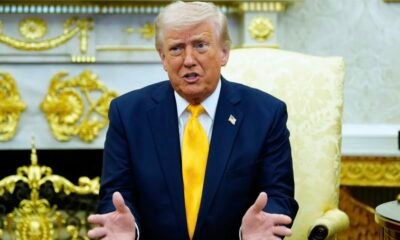
In the aftermath, Trump downplayed his personal concern, stating he “wasn’t worried” during the chaos. Speaking in an interview, he described the world as unpredictable but credited security personnel for their professionalism and quick action.
Despite his calm response, the president acknowledged that he initially hesitated to evacuate, wanting to assess the situation firsthand. Secret Service agents ultimately escorted him, along with senior officials, to safety as confusion spread across the venue.
An officer injured during the exchange at the White House Correspondents’ Dinner has since been discharged from the hospital, with officials noting that protective gear likely prevented more severe consequences.
View this post on Instagram
FBI Investigation and Suspect Motive
The Federal Bureau of Investigation has launched a full-scale investigation into the incident, with early findings suggesting the suspect may have been targeting high-ranking government officials. Authorities are also reviewing a document believed to outline the suspect’s intentions, though its authenticity and implications remain under scrutiny.
Cole Tomas Allen is expected to face federal charges, including assault on a federal officer and use of a firearm during a violent crime. Law enforcement sources indicate that he had traveled across multiple states before the attack, raising questions about security gaps and intelligence coordination.
Renewed Debate Over Political Violence
The incident has sparked bipartisan concern, with global leaders condemning the attack and emphasizing the need to reject violence in democratic spaces. Former U.S. President Barack Obama called the episode a “sobering reminder” of the risks faced by public officials and journalists alike.
Although we don’t yet have the details about the motives behind last night’s shooting at the White House Correspondents Dinner, it’s incumbent upon all us to reject the idea that violence has any place in our democracy. It’s also a sobering reminder of the courage and sacrifice…
— Barack Obama (@BarackObama) April 26, 2026
The disruption of one of Washington’s most prominent media events, the White House Correspondents’ Dinner, also highlights growing tensions between political figures and the press. While Trump has often criticized media institutions, he thanked journalists for responsible reporting following the incident.
Security Implications for Future Events
The attack has intensified calls for enhanced security measures at high-profile gatherings. Trump has suggested rescheduling the White House Correspondents’ Dinner with a stronger security perimeter, while officials are reviewing protocols for similar functions.
As investigations continue, the shooting underscores the fragile balance between open democratic engagement and the need for heightened security in an era marked by rising political polarization.






































Pingback: Trump Snaps at CBS's Norah O’Donnell Over Gunman Manifesto